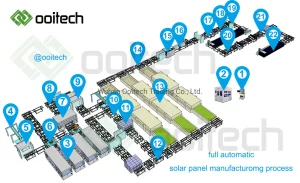
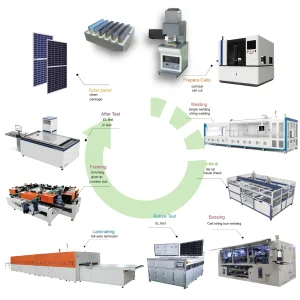
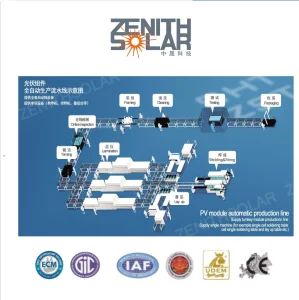
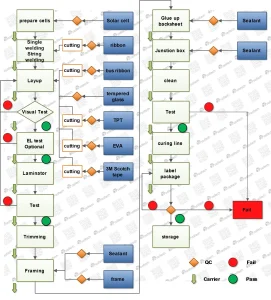
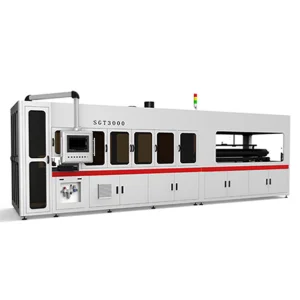
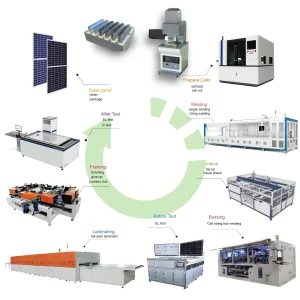
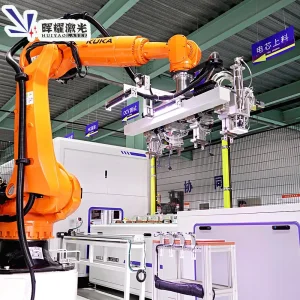
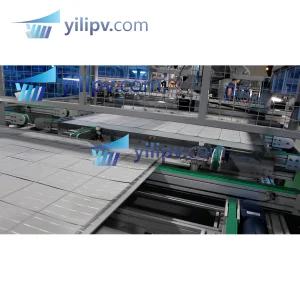
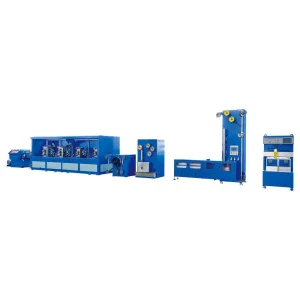
Turnkey automation setups customized for scaling photovoltaic manufacturing capacity in the Muharraq Governorate and wider GCC markets.
As the historic gateway of Bahrain and a vital logistics node, the Governorate of Muharraq is actively aligning its industrial zones, including the Khalifa Bin Salman Port vicinity and nearby investment zones, with Bahrain’s Economic Vision 2030. The Kingdom’s commitment to achieving net-zero emissions by 2060, coupled with the National Renewable Energy Action Plan (NREAP) target of 10% renewable energy generation by 2035, is accelerating local demand for domestic photovoltaic cell assembly facilities.
Establishing localized manufacturing and solar module fabrication plants within the Muharraq region reduces shipping times to adjacent Gulf markets, bypasses standard import tariffs, and leverages specialized economic free zones. Modern production units require highly specialized layouts to minimize contamination from airborne dust and moisture, which are characteristic of coastal Gulf locations. Localized production configurations also secure In-Country Value (ICV) points, positioning manufacturers preferentially for government utility contracts and large-scale commercial grid-tied deployments.
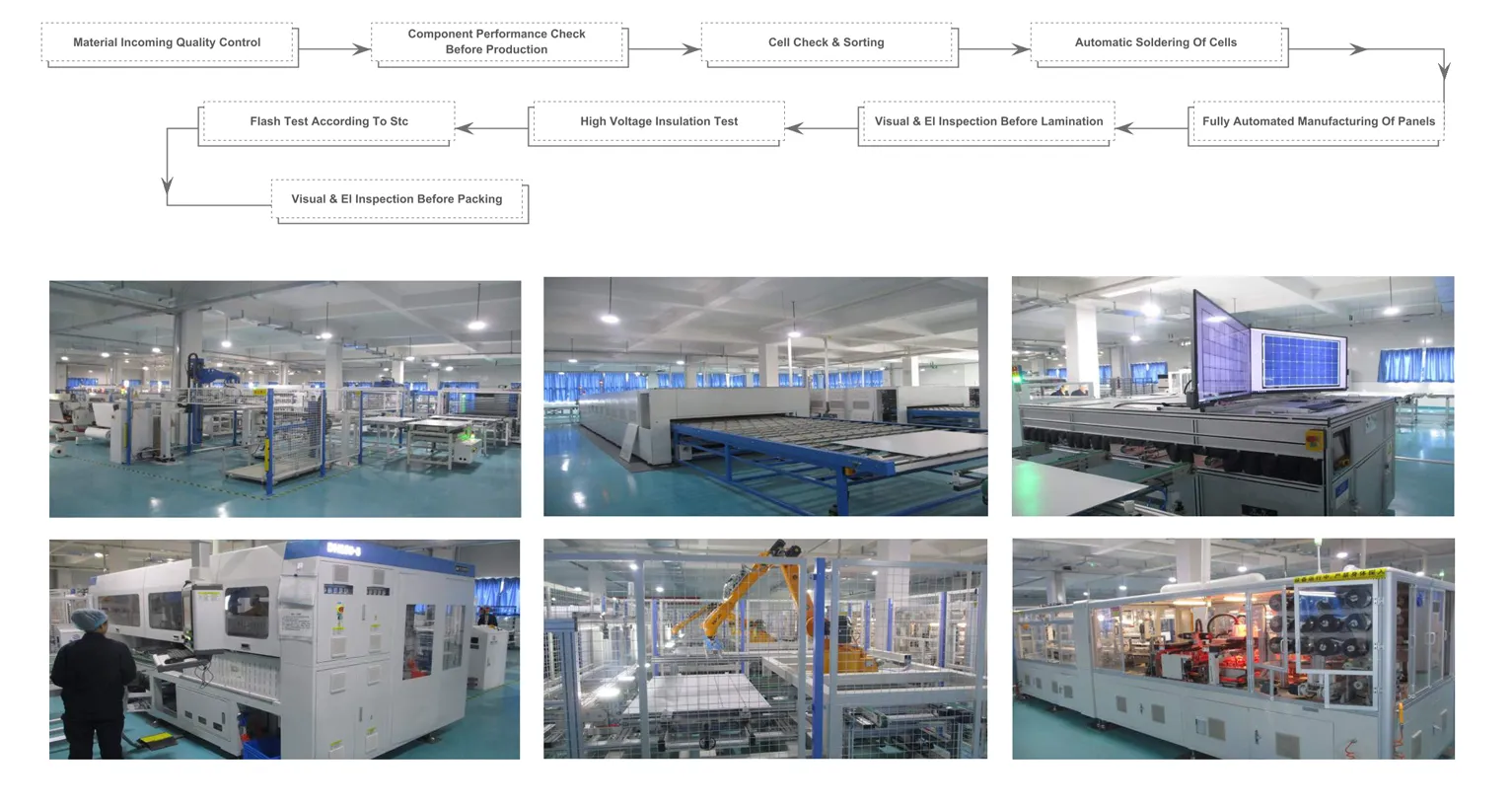
How specialized solar module manufacturing lines mitigate high UV, extreme temperatures, and high salinity.
Solar modules operating in Muharraq regularly experience surface temperatures exceeding 75°C. Manufacturing lines must integrate advanced POE (Polyolefin Elastomer) encapsulation processes, double-glass lamination configurations, and precise stringer alignment to prevent Potential Induced Degradation (PID) and micro-cracking caused by extreme daily thermal cycling.
Sand accumulation impacts energy yields by up to 30% without mitigation. We supply assembly machinery equipped with automated anti-reflective (AR) and hydrophobic coating application stations. These inline chemical treatment systems provide active dust-repellency directly to the outer surface of glass sheets during the assembly phase.
Proximity to the Arabian Gulf exposes components to salt spray. Module lines must implement automated junction box sealing utilizing high-grade, marine-tested silicones, combined with robotic precision dispensing. This ensures fully sealed electrical connections that meet rigorous IP68 standard requirements.
Future-proofing factory investments against evolving wafer shapes, thickness variations, and cell architectures.
The photovoltaic sector is transitioning away from conventional P-type PERC cells toward N-type architectures, including Tunnel Oxide Passivated Contact (TOPCon) and Heterojunction Technology (HJT). This technological pivot requires highly adaptive stringer machinery and thermal laminating systems. N-type solar cells offer lower temperature coefficients, higher bifaciality rates, and near-zero Light Induced Degradation (LID), making them ideal for the intense solar irradiation profiles of Bahrain.
Modern production lines must handle thinner wafers down to 130μm without inducing micro-cracks. Standard mechanical handling is replaced by non-contact Bernoulli grippers and low-stress soldering processes, such as laser welding and multi-busbar (MBB) ribbon designs. The incorporation of advanced Ultra-Low Yield Strength Ribbons reduces thermal stress on cell edges, ensuring longer module lifespans under hot climatic cycles.
Leveraging high-precision manufacturing engineering from Ningbo to optimize localized GCC industrial plants.
Ningbo FLare Solar Co., Ltd. is a leading innovator in the solar energy industry, specializing in advanced solar street lights, smart IoT solutions, and LED energy-efficient systems. Headquartered in Ningbo, China, the company has established a strong reputation for delivering high-quality, reliable, and sustainable solar solutions to urban, commercial, and residential clients worldwide. Under its flagship brand, ApexSolar, Ningbo FLare Solar focuses on integrating cutting-edge technology with eco-friendly design to meet the growing demand for smart and energy-efficient lighting solutions.
The company’s product portfolio includes solar street lights equipped with IoT-enabled monitoring systems, high-performance LED modules, and durable battery storage solutions. These innovations ensure long-lasting illumination, intelligent energy management, and remote monitoring capabilities, making city infrastructure safer and more sustainable. In addition, Ningbo FLare Solar develops off-grid and hybrid solar pump systems for agriculture and water management, combining efficiency, reliability, and cost-effectiveness.
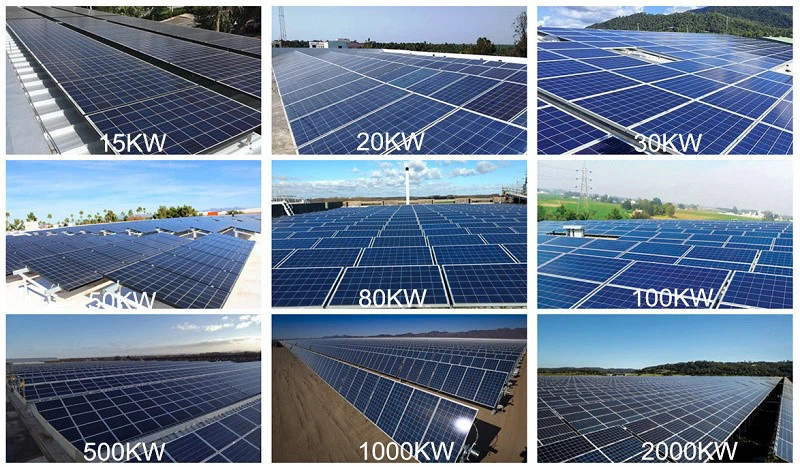
With a dedicated research and development team, stringent quality control standards, and commitment to sustainability, Ningbo FLare Solar Co., Ltd. continually advances solar technology. The company collaborates with global partners, distributors, and municipalities to deliver tailored solutions that reduce energy consumption and environmental impact.
By merging innovation, smart design, and ecological responsibility, Ningbo FLare Solar Co., Ltd. is redefining urban lighting and renewable energy solutions, empowering communities with intelligent, efficient, and environmentally friendly solar systems.
This deep product experience directly informs the design parameters of our manufacturing lines. Knowing the field failure modes of solar panels operating in deserts allows us to customize raw component stringing, glass handling, and laminator cycles to guarantee durable modules for our customers.
Meeting local requirements is key to accessing regional infrastructure projects.
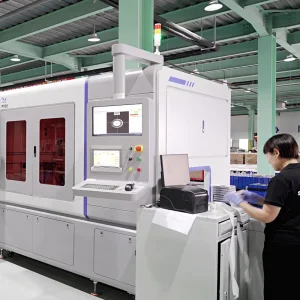
Modules produced on our assembly lines comply with the stringent standards enforced by the Electricity & Water Authority (EWA) of Bahrain and GSO regional certifications. Testing equipment within our turnkey production lines, including solar simulators (A+A+A+ class) and high-resolution Electroluminescence (EL) scanners, ensures that finished modules pass the following international certifications before leaving the factory floor:
Key answers regarding production capacity, ROI, logistics, and regional configuration details.
Typically, the end-to-end timeline is 6 to 8 months. This spans engineering customization (1.5 months), shipping from Ningbo Port to Khalifa Bin Salman Port in Muharraq (1 month), and on-site mechanical installation, calibration, and commissioning by our field engineers (1.5 to 2 months).
Our latest stringer systems feature modular design configurations. By swapping out the localized soldering assemblies and loading recipes in the control software, the machines easily adjust ribbon pitch, wire counts (from 9BB to 16BB/SMBB), and micro-gap spacings required for modern TOPCon or HJT architectures.
We integrate energy-recovery modules into our high-draw laminating and heating stations. By utilizing closed-loop gas circulating systems and smart variable frequency drives, our production lines achieve up to an 18% reduction in electrical demand compared to older generation machinery.
Every line installation includes a comprehensive 4-week training program for local engineers. This covers system operation, mechanical adjustments, preventive maintenance, calibration of optical testing elements (EL testers and flash simulators), and basic software diagnostic procedures. remote cloud monitoring support is also provided.
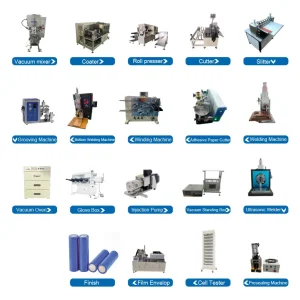
Explore our complete catalog of precision photovoltaic soldering, laminating, and battery pack production machinery.
Connect with our global engineers to design customized line layouts, request custom quotes, and review detailed facility requirements tailored to Muharraq and the broader GCC.
 FLare Solar