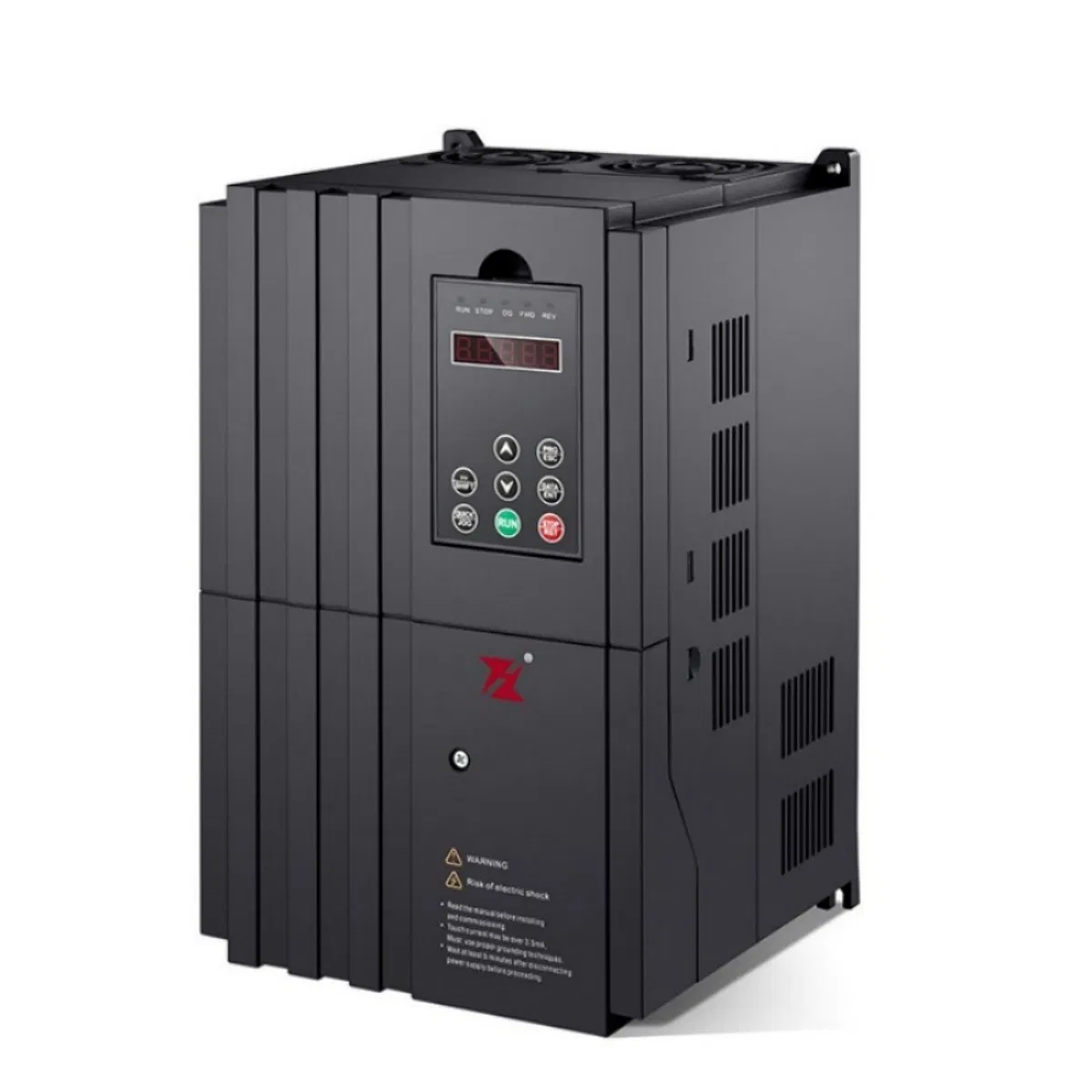
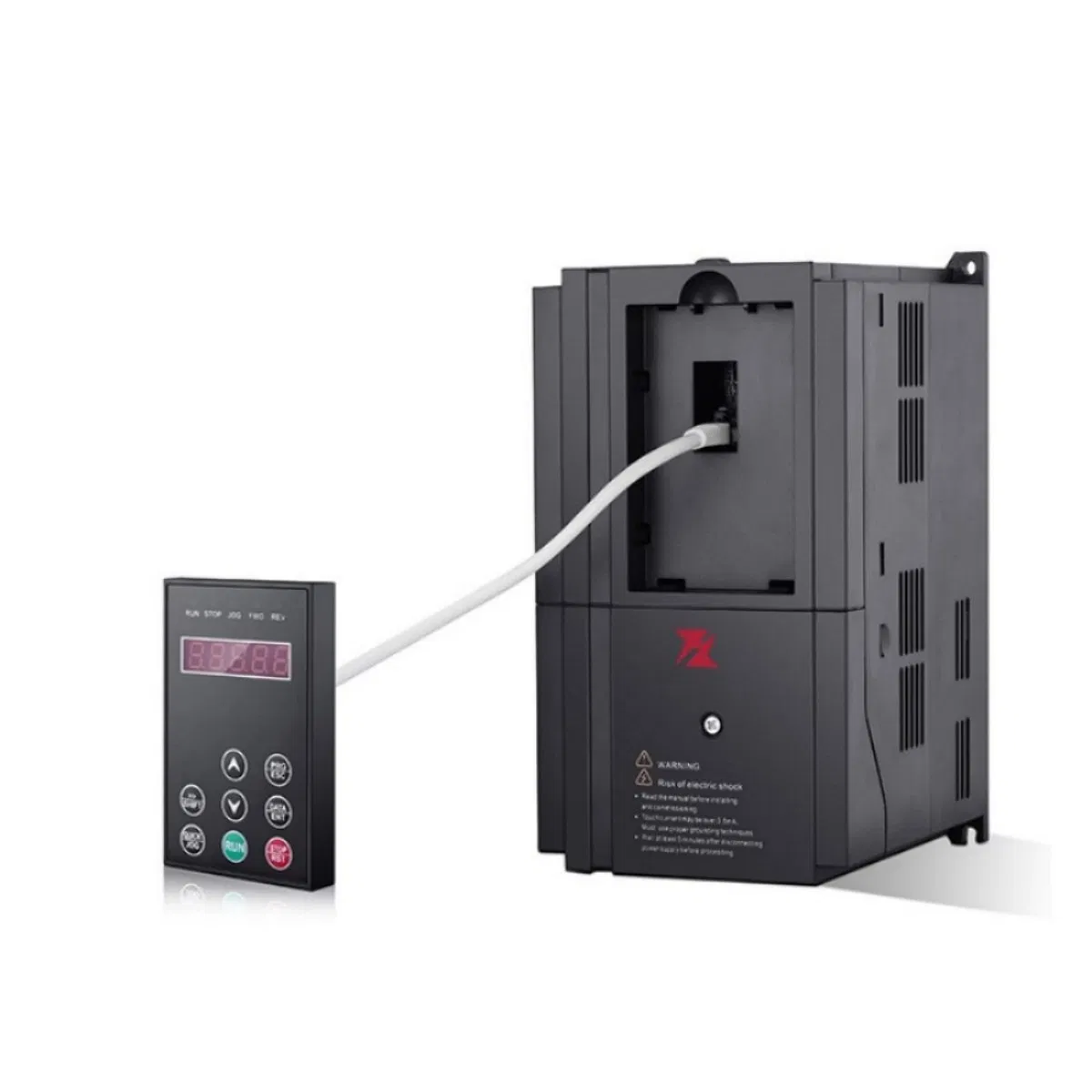
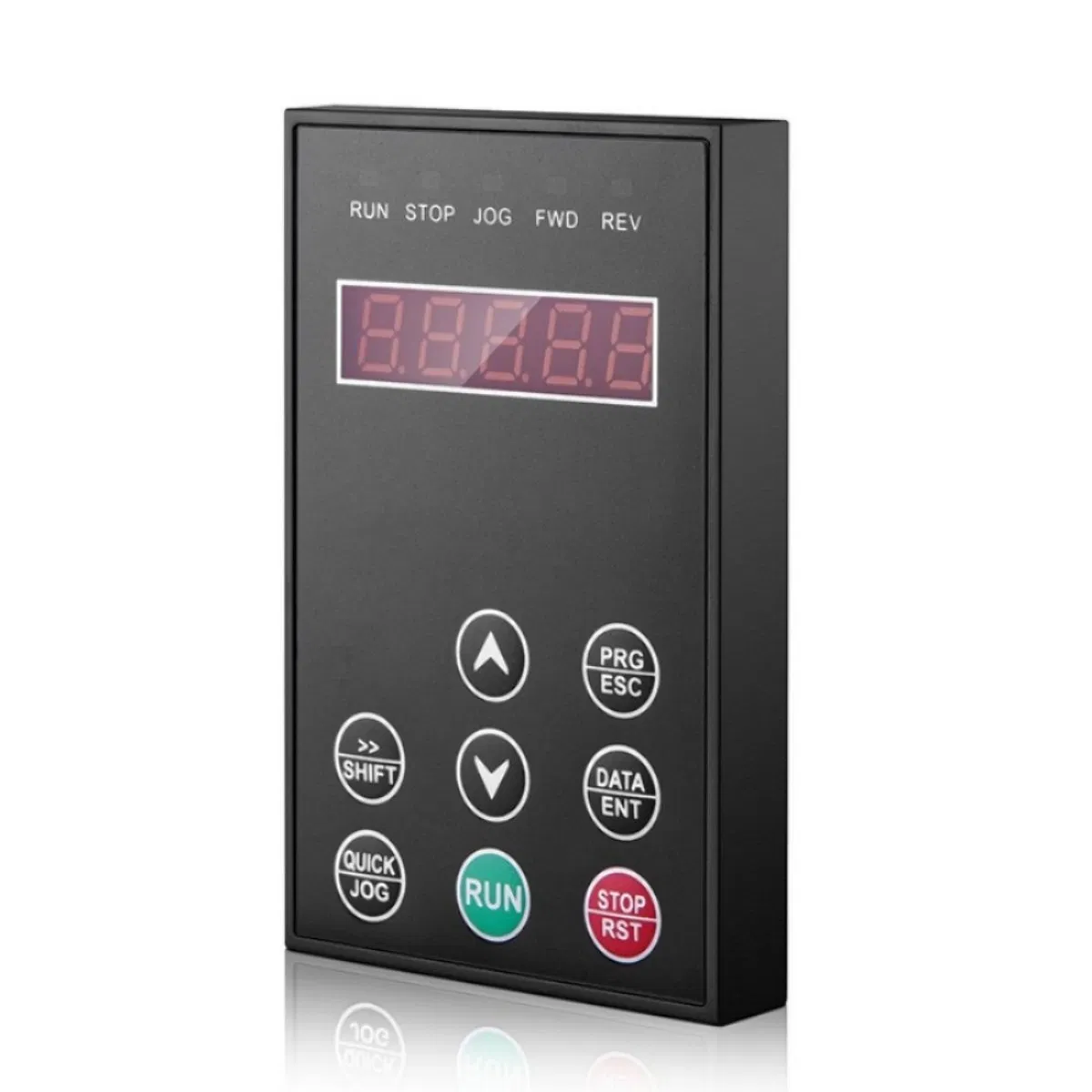
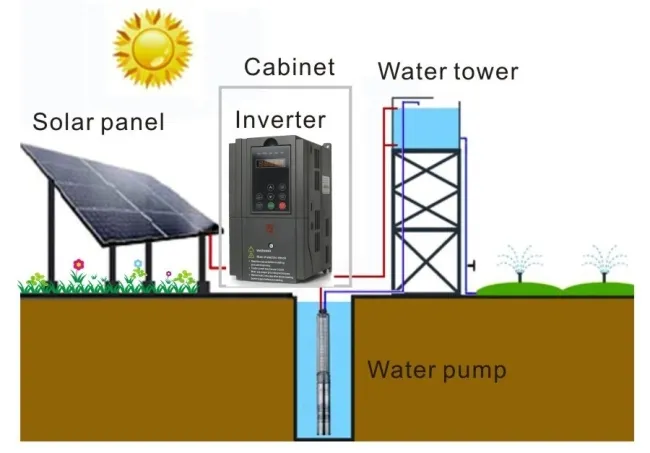
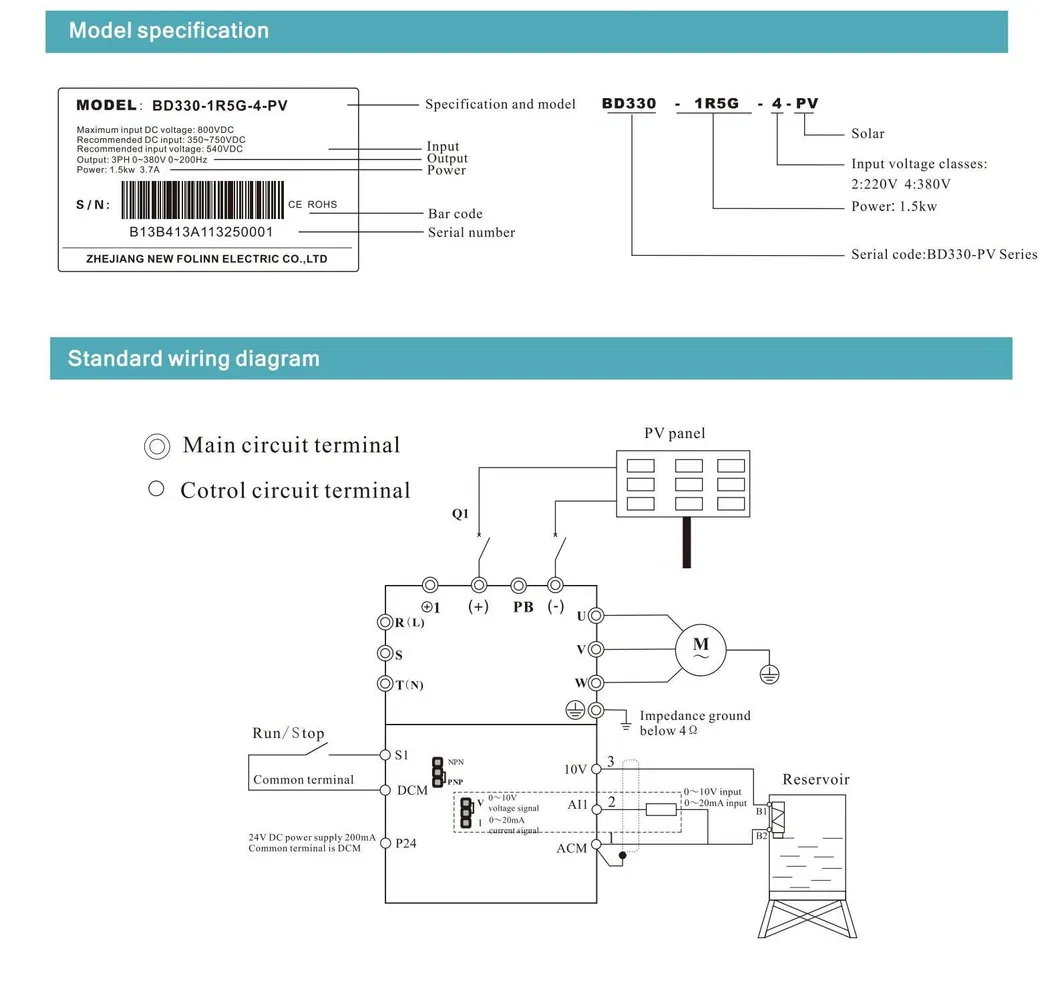
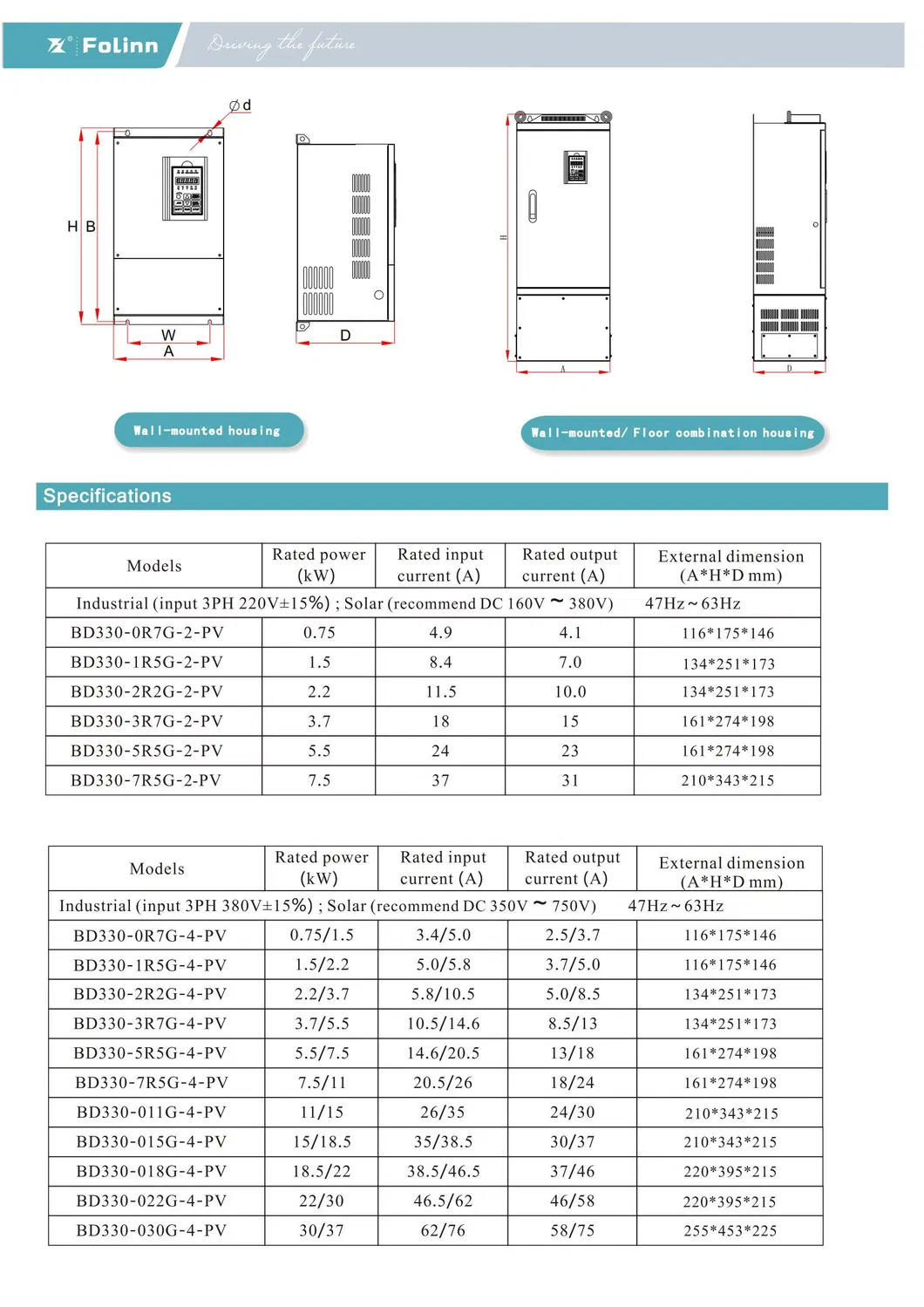
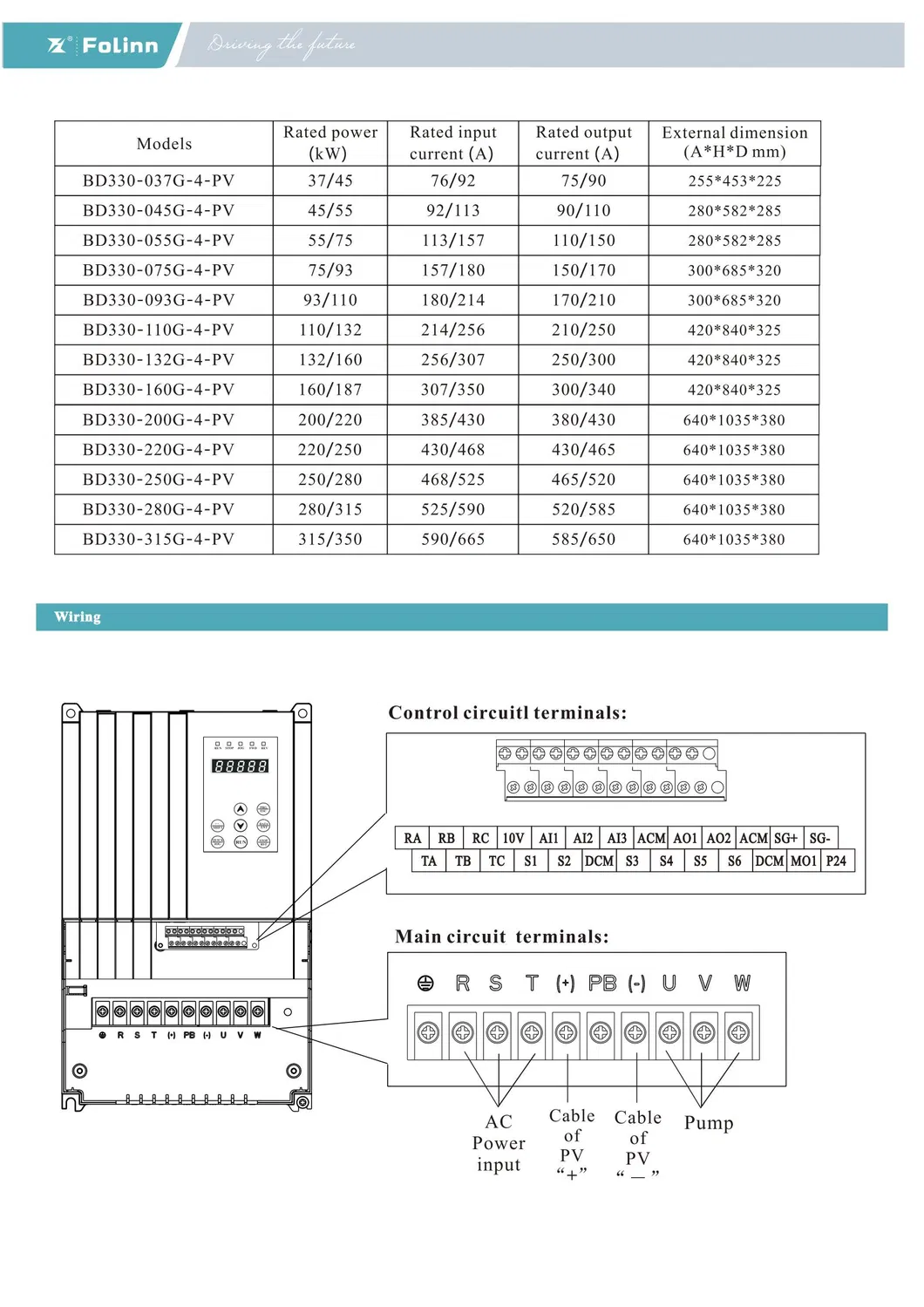
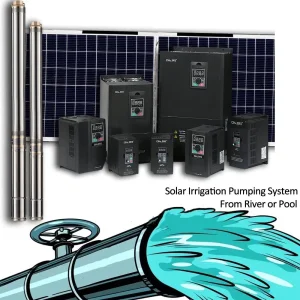
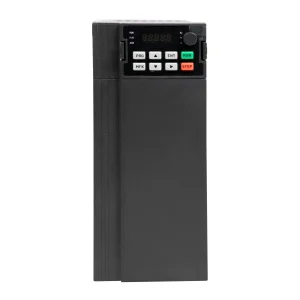
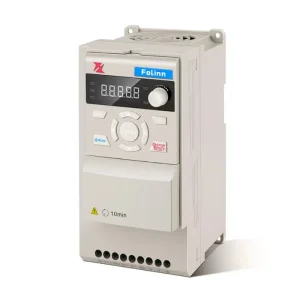
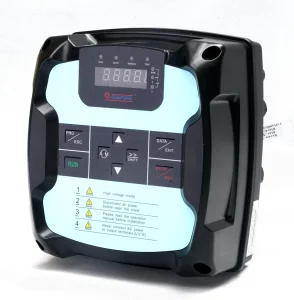
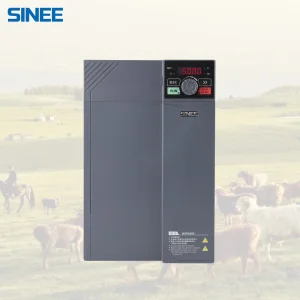
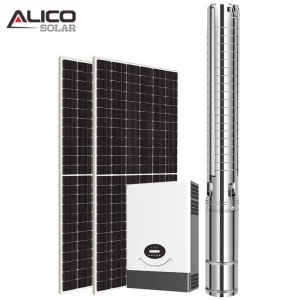
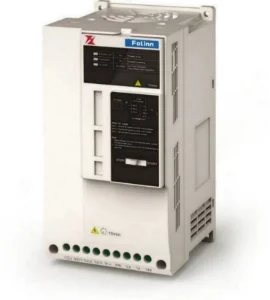
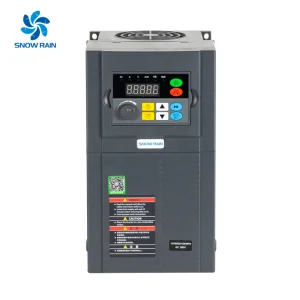
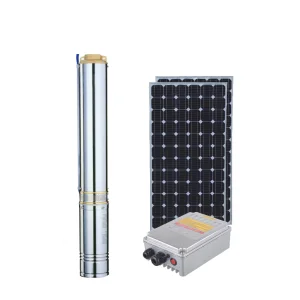
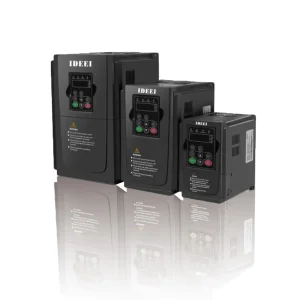
The BD330-Pv series products do not require battery modules, as the power supply is directly sourced from the photovoltaic array to realize PID control and MPPT functions. Based on advanced protection functions, the product adds specialized features such as light-weak sleep, light-intensity wake-up, water shortage alarm, and full water shutdown to ensure the efficient operation of the water pump.
✔
Why Choose Our Solutions
Advanced SVC Algorithm: High stability at low speeds and stronger low-frequency load capacity.
Torque Control: Limits torque automatically to prevent frequent over-current trips.
Multi-Motor Support: Equipped with two sets of parameters to switch control between two motors.
Flexible Frequency: 10 main and auxiliary frequency sources for fine adjustment and synthesis.
Integrated Braking: Built-in braking units (0.75~22KW) for rapid stopping requirements.
Speed Tracking: Full series built-in speed tracking with multiple adjustable modes.
?
Frequently Asked Questions
Does this solar VFD require batteries to operate?
No, the series is designed to source power directly from the photovoltaic array, utilizing MPPT functions to drive the pump without the need for battery modules.
What protection features are included for solar applications?
It includes light-weak sleep, light-strong auto wake-up, water shortage alarms, full water shutdown, and fault protection for water level sensors.
What types of motor control does the inverter support?
The system supports V/F control, speed sensorless vector control (SVC), and PG vector control (FVC) for both asynchronous and synchronous motors.
Can I use this for high-voltage solar arrays?
Yes, the 3-phase 380V models recommend a PV input DC range of 350-750VDC, with a maximum allowable input of 800VDC.
Is it possible to stop the pump quickly in an emergency?
Models between 0.75KW and 22KW feature built-in braking units, allowing you to connect a braking resistor directly for rapid deceleration.
What are the environmental requirements for installation?
The unit is IP20 rated and should be installed indoors (below 1000m altitude) in an environment free of corrosive gases, with temperatures between -10°C and +40°C.
 FLare Solar