High-precision telemetry hardware for global renewable energy projects.
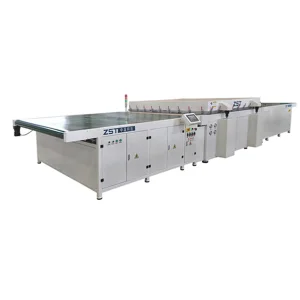 PV Lamination Machine Especially for Encapsulating Solar Module
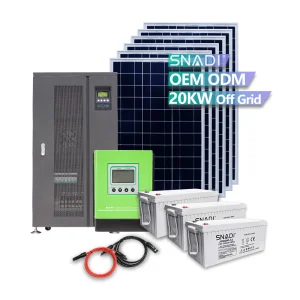 Snadi 3kw-20kw Power Station Complete Hybrid Solar System
 120W Water Pump Connected Solar Panel Cleaning Brush
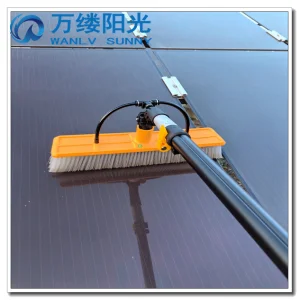 Water-Fed-Pole Solar Panel Cleaning Manual Brush with 4 Jets
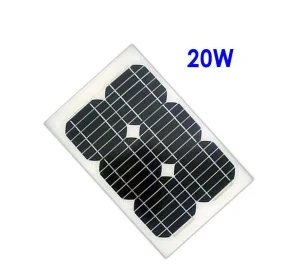 Photovoltaic Charging Monocrystalline 20W Solar Panel Assembly
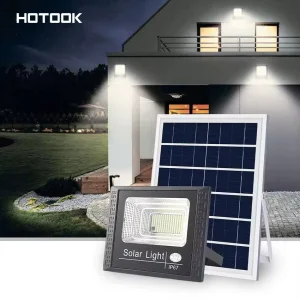 Motion Sensor Solar LED Street Light 25-500W IP67 Outdoor
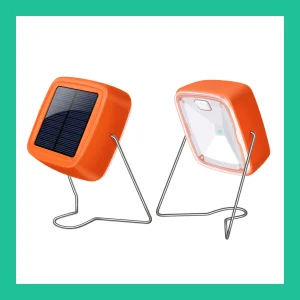 Sc-5 Portable LED Lighting Solution: Verasol Approved
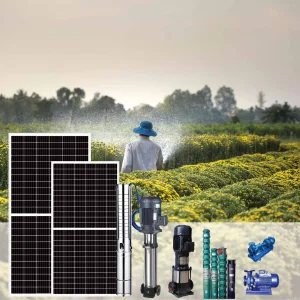 1735 Alicosolar Garden PV Powered Submersible Pump System
The global transition toward renewable energy has shifted from simple installation to sophisticated asset management. As of 2024, the solar telemetry market is projected to grow at a CAGR of 12.5%, driven by the need for O&M (Operations & Maintenance) optimization. Solar Telemetry Systems—incorporating data loggers, environmental sensors, and cloud-based platforms—act as the "nervous system" of utility-scale and commercial PV plants.
Industrial demand is no longer just about seeing "if the panels are on." It is about Predictive Maintenance. Modern telemetry allows engineers to detect micro-cracks, inverter degradation, and soiling losses before they impact the bottom line. From the scorching deserts of the MENA region to the humid floating solar farms in Southeast Asia, telemetry systems must withstand extreme environments while delivering precise, actionable data.
Global leader in string inverter integration with built-in AI-powered telemetry and PLC communication.
Specializing in smart IoT-enabled street lighting and off-grid monitoring with high durability and localized firmware.
German engineering at its finest, offering the Sunny Portal for comprehensive professional plant management.
Pioneers in module-level monitoring through power optimizers, providing granular telemetry data.
Leading the microinverter telemetry space with the Envoy gateway and Enlighten software suite.
Major Chinese player focused on utility-scale SCADA systems and integrated monitoring solutions.
Known for open-protocol data logging, allowing third-party integration for custom telemetry setups.
Specialized independent service providers for professional monitoring and solar weather stations.
The standard for off-grid and marine solar telemetry via their Venus OS and VRM portal.
Focused on rapid shutdown and monitoring solutions for diverse commercial PV rooftops.
Ningbo FLare Solar Co., Ltd. is a leading innovator in the solar energy industry, specializing in advanced solar street lights, smart IoT solutions, and LED energy-efficient systems. Headquartered in Ningbo, China, the company has established a strong reputation for delivering high-quality, reliable, and sustainable solar solutions to urban, commercial, and residential clients worldwide.
Under its flagship brand, ApexSolar, Ningbo FLare Solar focuses on integrating cutting-edge technology with eco-friendly design to meet the growing demand for smart and energy-efficient lighting solutions. The company’s product portfolio includes solar street lights equipped with IoT-enabled monitoring systems, high-performance LED modules, and durable battery storage solutions.
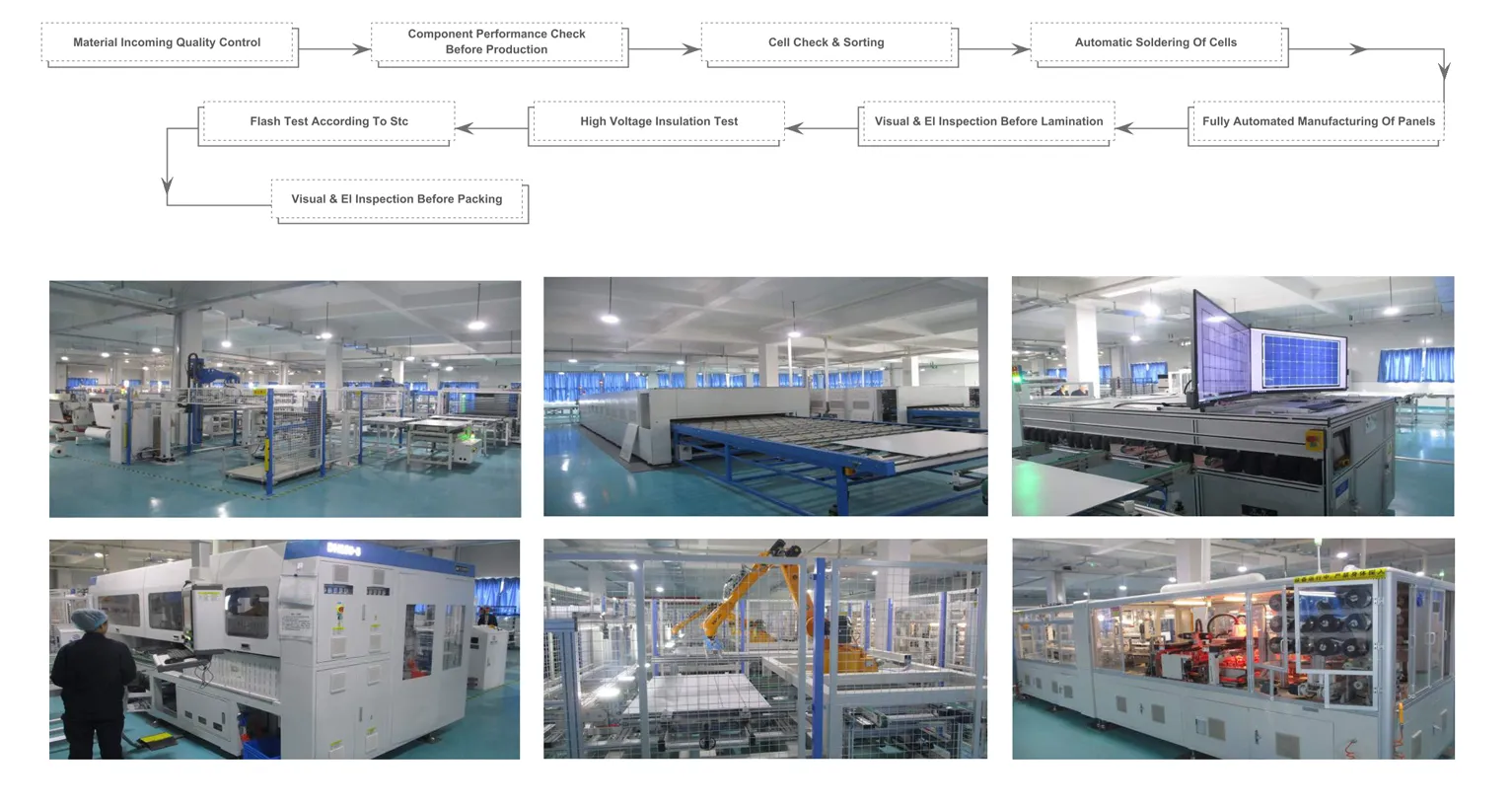
These innovations ensure long-lasting illumination, intelligent energy management, and remote monitoring capabilities, making city infrastructure safer and more sustainable. In addition, Ningbo FLare Solar develops off-grid and hybrid solar pump systems for agriculture and water management, combining efficiency, reliability, and cost-effectiveness. With a dedicated research and development team, stringent quality control standards, and commitment to sustainability, Ningbo FLare Solar Co., Ltd. continually advances solar technology.
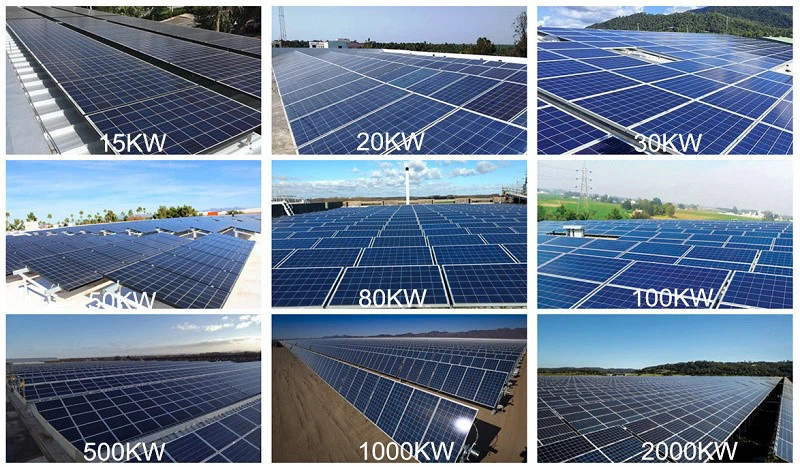
By merging innovation, smart design, and ecological responsibility, Ningbo FLare Solar Co., Ltd. is redefining urban lighting and renewable energy solutions, empowering communities with intelligent, efficient, and environmentally friendly solar systems.
Why Ningbo serves as the global hub for telemetry and PV technology.
Located in the heart of the Yangtze River Delta, manufacturers have immediate access to specialized chipsets, sensors, and aluminum extrusion industries, reducing lead times by 40% compared to Western counterparts.
Chinese factories like Ningbo FLare Solar can prototype and iterate new telemetry firmware within weeks, integrating the latest 5G and LoRaWAN standards ahead of the market curve.
Mass production capabilities allow for the delivery of high-precision sensors at a cost point that makes 100% monitoring viable even for small-scale residential systems.
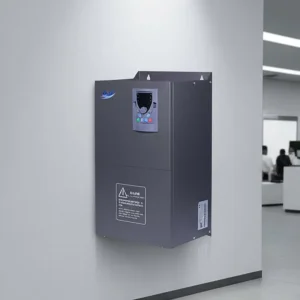 Advanced Solar Pump AC Drive Controller for Reliable Supply
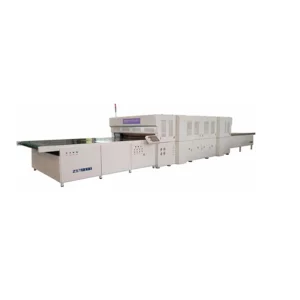 Solar Module Production Line Laminating Machine for PV
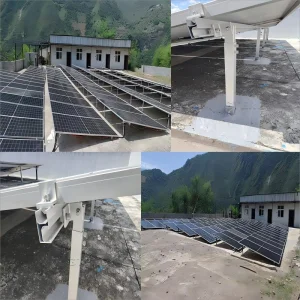 Adjustable Solar Panel Mounting Solutions for All Terrain
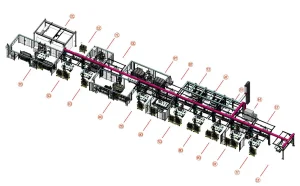 32700 Cell Solar Storage Battery Automatic Assembly Line
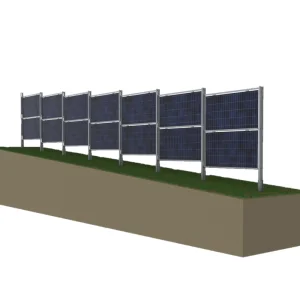 Affordable Vertical Bifacial Solar Fencing Energy Solutions
 ABS Plastic Waterproof Solar Street Light Junction Box
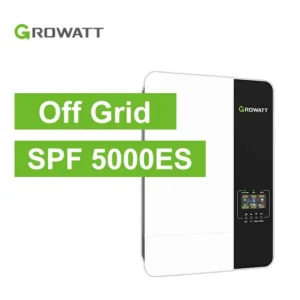 PV Hybrid Solar Inverter 450VDC with BMS Integration
 Smart Home Ready Single Phase Inverter 37.5kwp Integration
 FLare Solar