Explore our core infrastructure, smart lighting, high-voltage battery storage, and advanced industrial automation solutions designed for the global energy market.
Ningbo FLare Solar Co., Ltd. is a leading innovator in the solar energy industry, specializing in advanced solar street lights, smart IoT solutions, and LED energy-efficient systems. Headquartered in Ningbo, China, the company has established a strong reputation for delivering high-quality, reliable, and sustainable solar solutions to urban, commercial, and residential clients worldwide. Under its flagship brand, ApexSolar, Ningbo FLare Solar focuses on integrating cutting-edge technology with eco-friendly design to meet the growing demand for smart and energy-efficient lighting solutions.
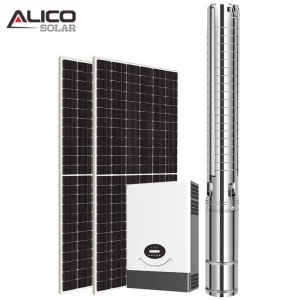
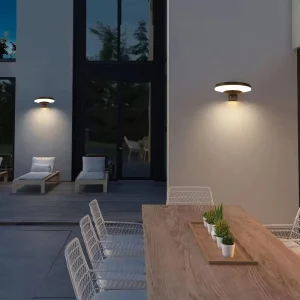
The company’s product portfolio includes solar street lights equipped with IoT-enabled monitoring systems, high-performance LED modules, and durable battery storage solutions. These innovations ensure long-lasting illumination, intelligent energy management, and remote monitoring capabilities, making city infrastructure safer and more sustainable. In addition, Ningbo FLare Solar develops off-grid and hybrid solar pump systems for agriculture and water management, combining efficiency, reliability, and cost-effectiveness.
With a dedicated research and development team, stringent quality control standards, and commitment to sustainability, Ningbo FLare Solar Co., Ltd. continually advances solar technology. The company collaborates with global partners, distributors, and municipalities to deliver tailored solutions that reduce energy consumption and environmental impact. By merging innovation, smart design, and ecological responsibility, Ningbo FLare Solar Co., Ltd. is redefining urban lighting and renewable energy solutions, empowering communities with intelligent, efficient, and environmentally friendly solar systems.
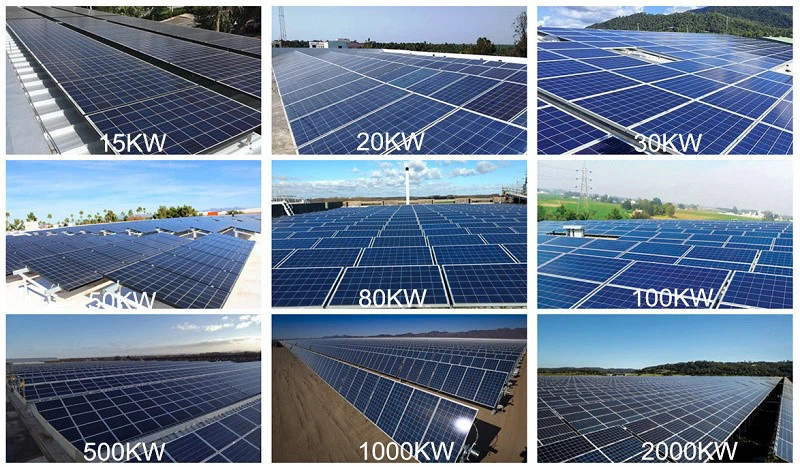
Understanding the transition of Silicon Wafers, Cell architectures, and module-level innovations driving the Lowest Levelized Cost of Energy (LCOE).
Transitioning from traditional P-type PERC cells to N-type technologies including TOPCon (Tunnel Oxide Passivated Contact) and HJT (Heterojunction Technology). This shifts active module efficiency scales to 22.5%+ with zero Light Induced Degradation (LID).
Leveraging M10 (182mm) and G12 (210mm) standardized high-purity silicon wafers. Larger formats reduce electrical structural layout and mechanical framing needs, significantly dropping balance-of-system (BOS) capital costs for EPC contractors.
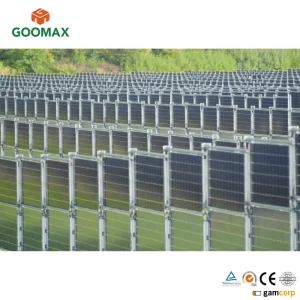
ApexSolar monocrystalline modules incorporate POE encapsulation and dual-glass architecture. This configuration boasts a bifaciality factor up to 80-85%, capturing reflected albedo light on the rear side to boost power yields by up to 25% depending on terrain.
| Cell Architecture Type | Substrate Type | Average Mass Production Efficiency | Temperature Coefficient | Bifaciality Factor | LID/PID Degradation Susceptibility |
|---|---|---|---|---|---|
| P-Type PERC (Base Layer) | Boron-Doped (P-Type) | 22.8% – 23.2% | -0.34% / °C | 65% – 70% | Moderate to High (Requires specialized mitigation) |
| N-Type TOPCon (Current Apex Standard) | Phosphorus-Doped (N-Type) | 24.8% – 25.6% | -0.30% / °C | 75% – 80% | Extremely Low (Zero boron-oxygen defects) |
| N-Type HJT (Heterojunction) | Amorphous/Crystalline Silicon Hybrid | 25.8% – 26.5% | -0.26% / °C | 85% – 90% | Virtually Zero (Excellent surface passivation) |
Bridging the gap between intermittent renewable solar generation and grid-scale stability via unified smart industrial energy infrastructures.
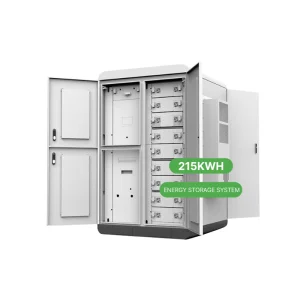
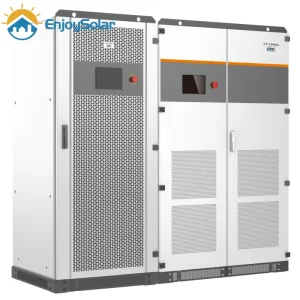
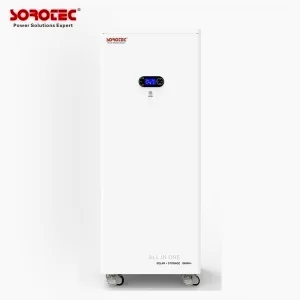
Industrial facilities, commercial office parks, and municipal developments require integrated electrical architectures. By combining our Monocrystalline Solar Modules with centralized Hybrid Inverters (up to 500kW with DC coupling) and high-voltage All-in-One Commercial & Industrial Battery Energy Storage Systems (BESS 215kWh - 2MWh capacities), we achieve complete peak-shaving, load-shifting, and uninterruptible power supply (UPS) grade emergency backup operations.
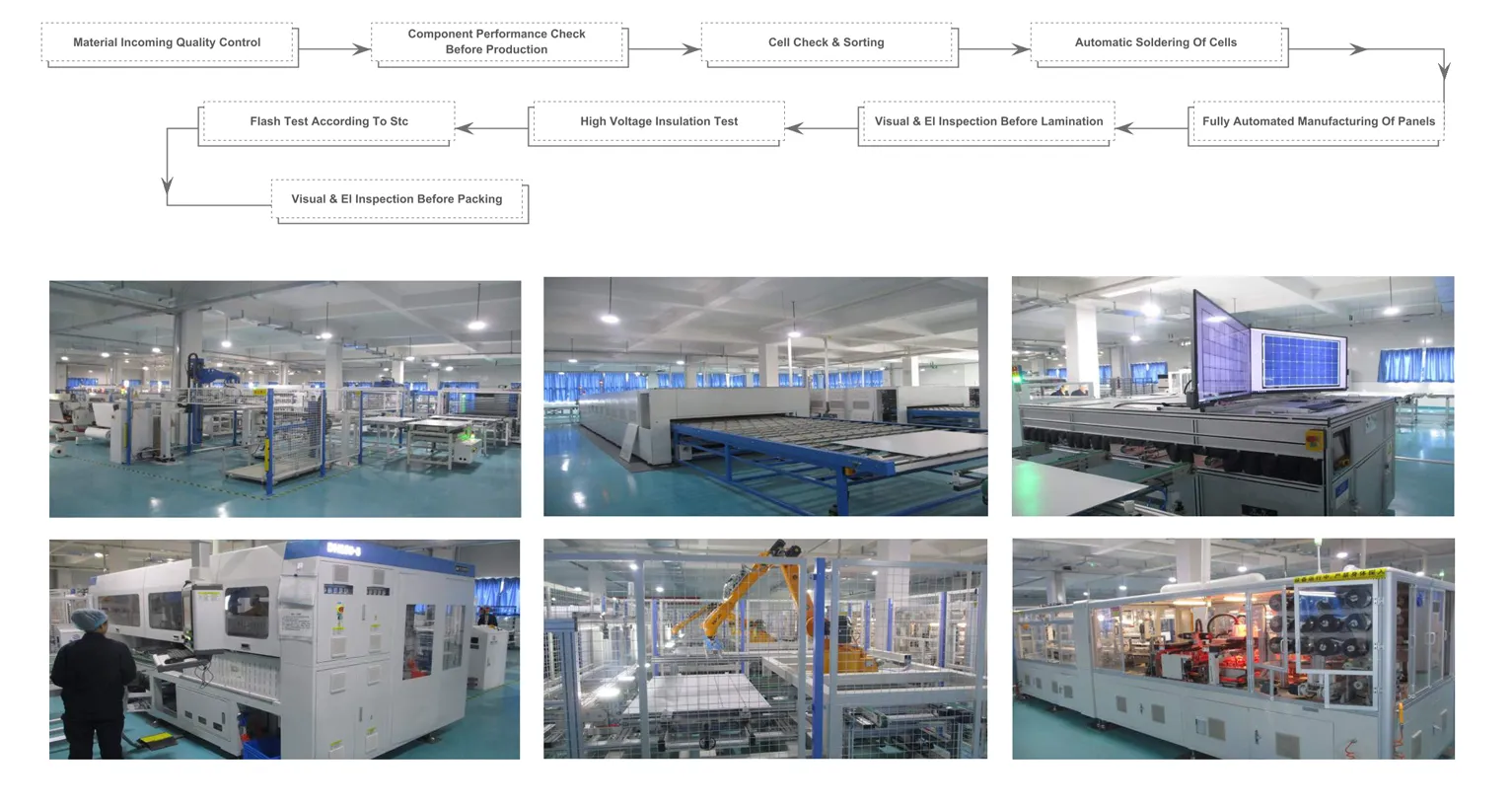
Inside our fully automated smart manufacturing plants in Ningbo, ensuring micro-level precision, structural integrity, and long-term asset reliability.
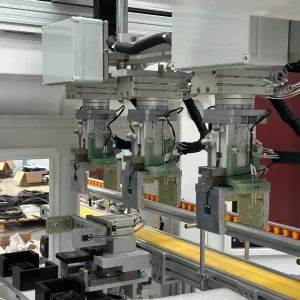
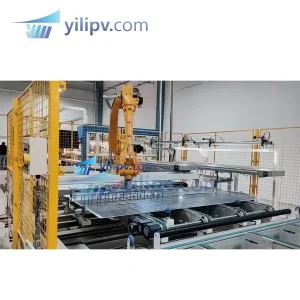
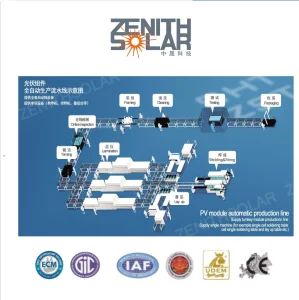
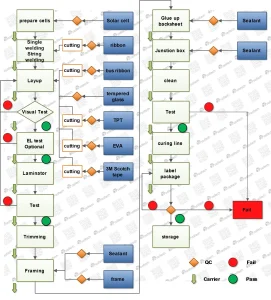
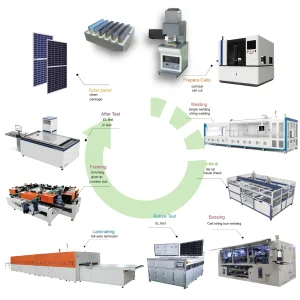
Our 300MW automatic solar cell production lines utilize high-speed robotic string layup equipment. This mitigates human handling errors, eliminating micro-cracking and assuring structural alignment under high pressure.
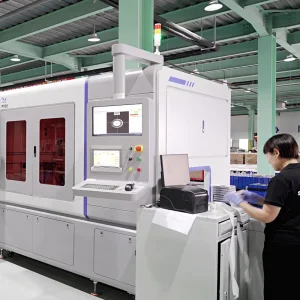
Quality check stages feature dual EL imaging scanners before and after the lamination cycle. This process detects micro-cracks, dark spots, and grid-line defects invisible to the human eye, ensuring 100% defect-free delivery.
To support hybrid solar applications, ApexSolar's facilities feature automated prismatic lithium battery pack assembly lines. This guarantees battery pack balance, longevity, and thermal stability in microgrid environments.
ApexSolar operates under strict ISO 9001, ISO 14001, and ISO 45001 international management protocols. Through automated material sourcing and intelligent logistics planning in Ningbo's deep-water port vicinity, we insulate global buyers from shipping volatility and logistics lag.
Navigating global regulatory landscapes, local grid interconnection standards, and risk mitigation strategies for project developers.
Ensuring seamless customs clearance and utility interconnect approvals.
Requires CE Marking, TÜV Rheinland certifications, WEEE electronic waste compliance, and full ESG carbon footprint traceability reporting at customs levels.
Complies with UL 1703 / UL 61730 safety standards. Full supply chain traceability audit trails matching regional clean-energy import laws.
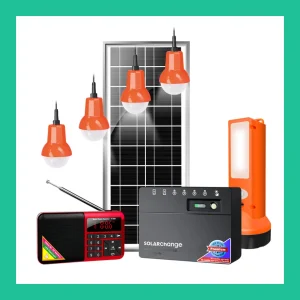
Verasol certifications for remote solar home kits and off-grid solutions. RETIE compliance for Colombia, INMETRO for Brazil, and SEC for Chile.
Get professional answers from ApexSolar's technical engineering department regarding module performance, lifetimes, and commercial integration parameters.
Complete your deployment specifications with our range of hybrid power equipment, commercial assembly machines, and off-grid utility products.
 FLare Solar