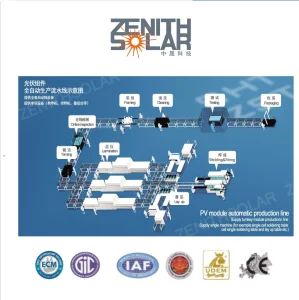
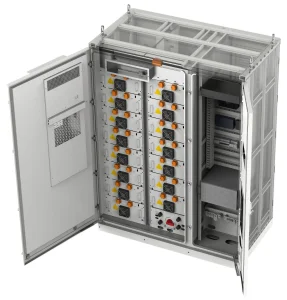
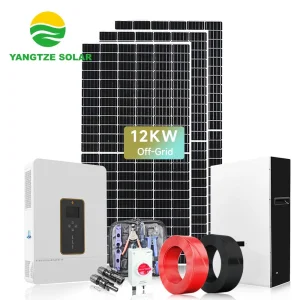
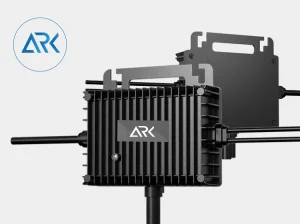
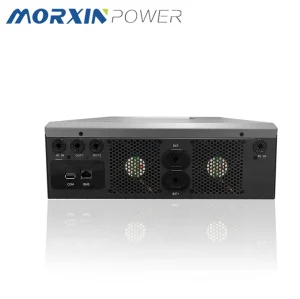
High-efficiency mechanical components, automated production assemblies, and smart industrial controls.


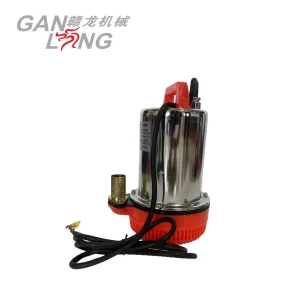
Access to fresh water has emerged as one of the most critical macroeconomic challenges of the 21st century. As groundwater aquifers experience depletion and coastal regions undergo severe climate pressures, traditional desalination methodologies—which depend heavily on diesel generators or volatile municipal grids—are becoming financially and environmentally unsustainable.
Solar Water Desalination Pumps represent a pivotal technological convergence. By integrating high-power photovoltaic (PV) generation with dynamic hydraulic pumping systems and reverse osmosis (RO) or filtration mechanisms, these systems bypass the carbon-heavy grid entirely. Today, global municipalities, agricultural conglomerates, and industrial sectors are shifting toward off-grid, solar-powered water infrastructure to secure operational resilience and drive down Levelized Cost of Water (LCOW).
Delivering advanced engineering and turnkey solar-driven pumping solutions for municipal, commercial, and residential applications globally.
Ningbo FLare Solar Co., Ltd. is a leading innovator in the solar energy industry, specializing in advanced solar street lights, smart IoT solutions, and LED energy-efficient systems. Headquartered in Ningbo, China, the company has established a strong reputation for delivering high-quality, reliable, and sustainable solar solutions to urban, commercial, and residential clients worldwide. Under its flagship brand, ApexSolar, Ningbo FLare Solar focuses on integrating cutting-edge technology with eco-friendly design to meet the growing demand for smart and energy-efficient lighting and power infrastructure.
The company’s product portfolio includes solar street lights equipped with IoT-enabled monitoring systems, high-performance LED modules, and durable battery storage solutions. These innovations ensure long-lasting illumination, intelligent energy management, and remote monitoring capabilities, making city infrastructure safer and more sustainable. In addition, Ningbo FLare Solar develops off-grid and hybrid solar pump systems for agriculture and water management, combining efficiency, reliability, and cost-effectiveness.
With a dedicated research and development team, stringent quality control standards, and commitment to sustainability, Ningbo FLare Solar Co., Ltd. continually advances solar technology. The company collaborates with global partners, distributors, and municipalities to deliver tailored solutions that reduce energy consumption and environmental impact. By merging innovation, smart design, and ecological responsibility, Ningbo FLare Solar Co., Ltd. is redefining urban lighting and renewable energy solutions, empowering communities with intelligent, efficient, and environmentally friendly solar systems.
Tailored impeller geometries and pump chambers designed to resist highly corrosive, high-TDS seawater and brackish source inputs.
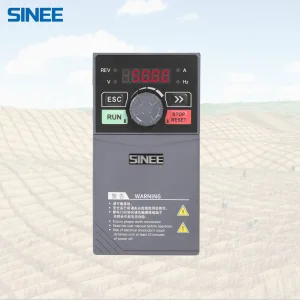
Advanced Variable Frequency Drives and Maximum Power Point Tracking (MPPT) logic tailored to match fluctuations in solar irradiance.
Real-time SCADA integration, cellular/satellite remote monitoring of water yields, TDS metrics, and system diagnostics.
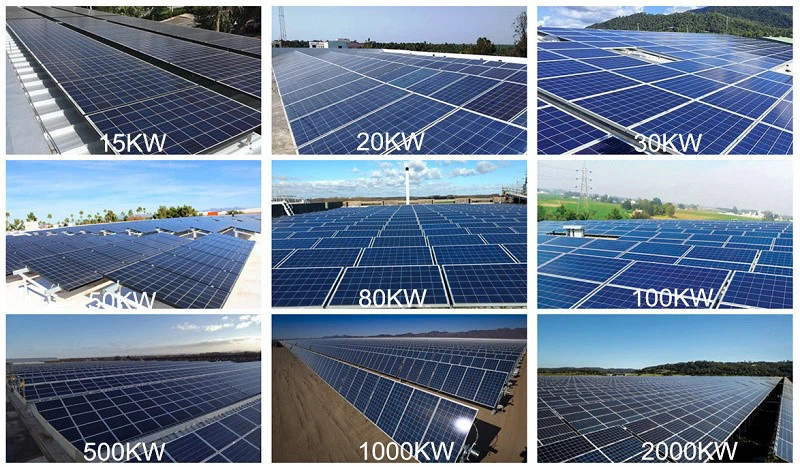
Ningbo’s position as a premier global manufacturing cluster allows ApexSolar to leverage deep supply chain efficiencies. The integration of local automated machining, raw materials sourcing, and motor production ecosystems significantly reduces delivery timelines and capital costs.
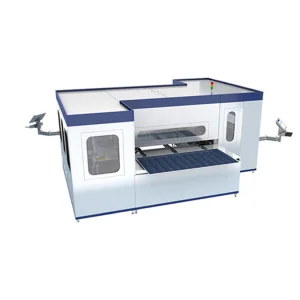
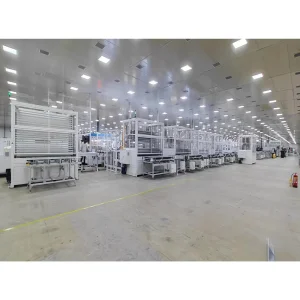
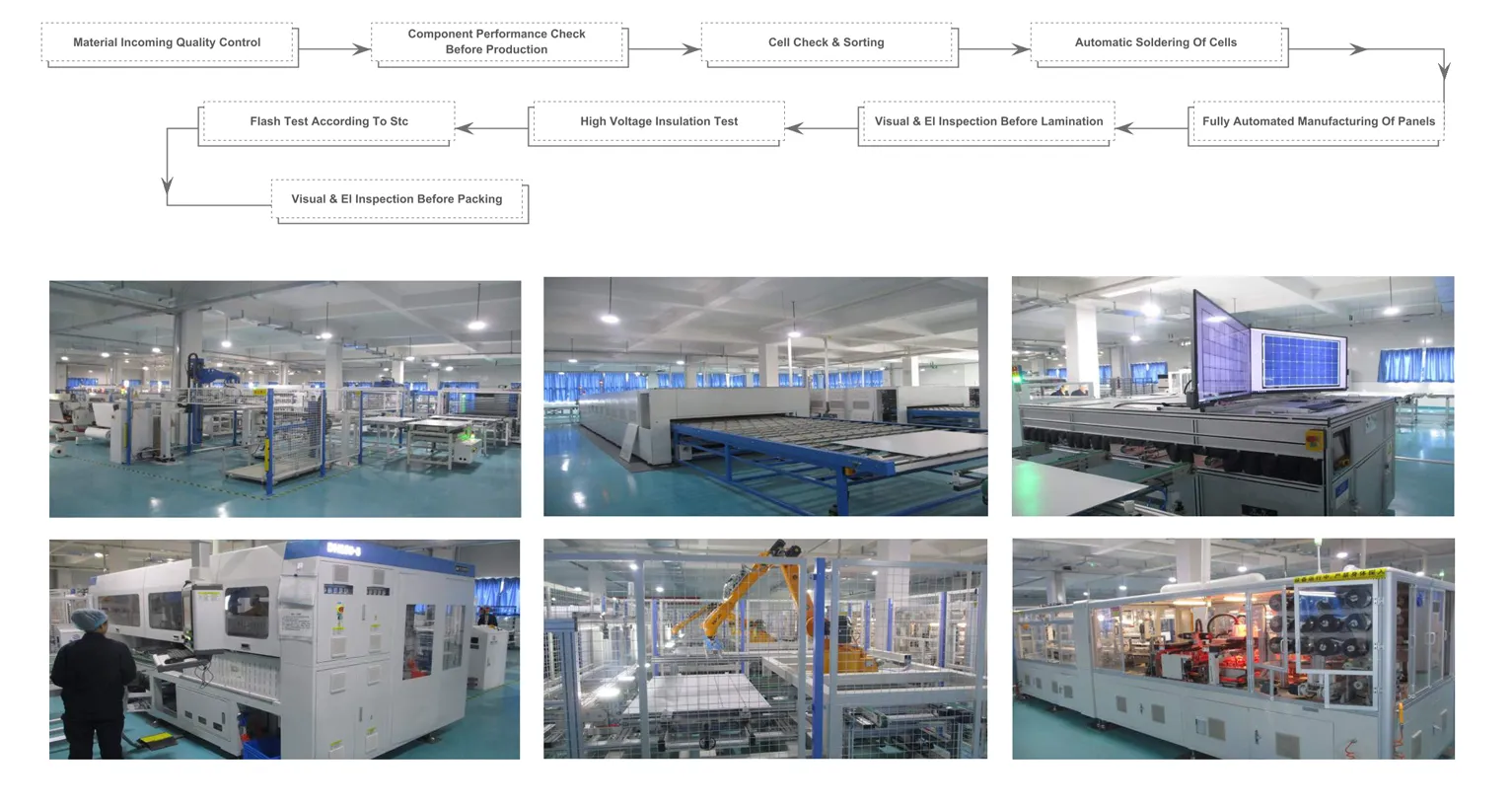
From high-capacity automated soldering machines to precision aluminum frame extrusion, the physical infrastructure supporting solar water pump production is tightly managed within our ISO-certified facilities. This vertically integrated framework enables us to maintain stringent quality assurances on critical structural elements, such as duplex stainless steel casing, hermetic dry-motor seals, and ceramic bearings that withstand hard sand particulates.
Optimizing solar-driven water pumping across diverse geographic and geological conditions.
Deep-bore well pumping in highly saline groundwaters. Our solar pump speed controller VFD systems adapt dynamically, providing stable torque even during high-salinity drawdowns, preventing system stall.
Primary Value: Eliminates continuous diesel procurement costs in desert farming environments.Direct seawater intake for municipal reverse osmosis. Standard pumps experience severe crevice corrosion within months; our OEM custom units utilize specialized non-ferrous and composite components.
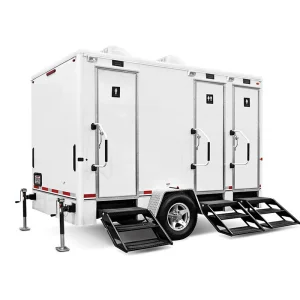
Primary Value: Low-maintenance, decentralized fresh drinking water supply.Deployable emergency water purification systems. Integrated with portable DC solar pumps and dynamic battery systems, these units provide clean water in minutes following natural disasters.
Primary Value: Highly resilient, modular, and ready for extreme environments.Reliable performance metrics engineered to sustain continuous operational parameters in harsh remote zones.
| System Component | OEM Customization Range | Standard Specifications | Application Environment |
|---|---|---|---|
| Hydraulic Pump Head | 10m to 350m (Customizable Impellers) | AISI 316 / Duplex 2205 SS | High Salinity Seawater / Brackish Wells |
| Motor Speed Controller VFD | 2.2 kW to 110 kW (Dual Input AC/DC) | MPPT Efficiency > 99% | Dynamic Solar Irradiation Management |
| Hermetic Motor Seal | Double Mechanical Oil Chamber | Silicon Carbide (SiC) / Tungsten | Sand & Particulate Intensive Aquifers |
| Remote IoT Monitoring | 4G / 5G / LoRaWAN / Satellite Link | SCADA Protocol Compatible | Unmanned Infrastructure Operations |
| Hybrid Inverter Input | Seamless Grid/Generator Auto-switch | Zero-delay Transfer Logic | Continuous 24-Hour Desalination Supply |
The technological trajectory shifting modern water infrastructure.
The technological landscape of solar-driven water management is undergoing rapid modernization. One of the most significant shifts is the transition from conventional AC induction motors to Permanent Magnet Brushless DC (BLDC) motors. BLDC motors, driven by rare-earth magnets, deliver up to 92% efficiency compared to the 75-80% common in induction counterparts. This enhancement allows project engineers to achieve the same water flow rates using smaller, less expensive PV arrays, directly optimizing overall project capital expenditures.
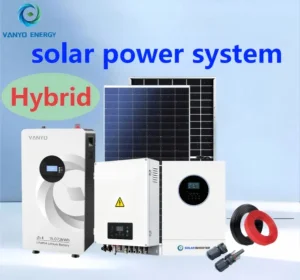
Concurrently, the integration of Smart Hybrid Power Systems is addressing the intermittent nature of solar energy. By combining intelligent micro-inverters with energy storage solutions, contemporary systems dynamically transition between PV arrays, local battery banks, and backup AC grids. During peak sunlight hours, excess solar energy is either stored in high-density lithium iron phosphate (LFP) batteries or redirected to elevate water into elevated gravity-fed holding tanks, utilizing potential energy storage rather than costly chemical batteries.
When selecting an OEM/ODM manufacturing partner for large-scale solar pumping systems, procurement professionals and engineering, procurement, and construction (EPC) contractors must look beyond initial unit costs. Over a typical 15-year operational lifecycle, the durability of submerged components and the efficiency of the power conversion controllers constitute the main variables of the Total Cost of Ownership (TCO).
Professional technical insights regarding solar water pumping and desalination system deployments.
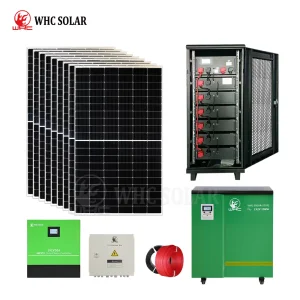
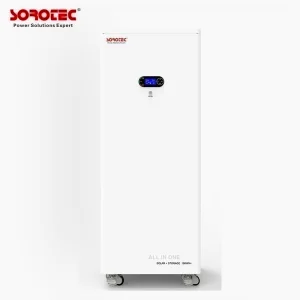
Explore our integration systems: solar storage batteries, industrial inverters, and production assembly lines.

 FLare Solar