In the era of Global Energy Transition, the demand for off-grid water management solutions has skyrocketed. Solar pond aerators have evolved from niche landscaping tools to critical components of industrial aquaculture, municipal water treatment, and commercial estate management. This shift is driven by the need for Information Gain in environmental monitoring and the reduction of LCOE (Levelized Cost of Energy).
International buyers are moving beyond "cost-per-unit" to "total life cycle value." Smart procurement now prioritizes IoT-enabled aerators that provide real-time dissolved oxygen (DO) data, allowing for predictive maintenance and optimized fish growth cycles.
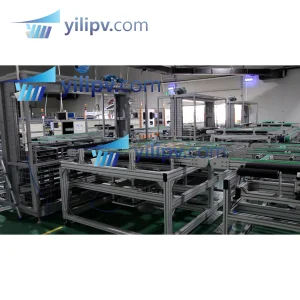
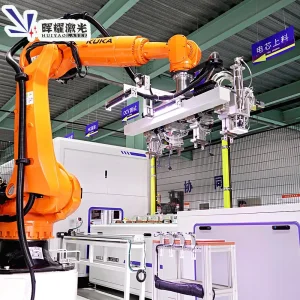
Leveraging China's ultra-resilient supply chain, manufacturers like Ningbo FLare Solar utilize automated assembly lines to ensure micron-level precision in compressor manufacturing and solar panel integration, drastically reducing failure rates compared to traditional assembly.
By providing consistent oxygenation without the carbon footprint of grid-tied systems, solar aerators are becoming the cornerstone of "Blue Carbon" initiatives worldwide, supporting biodiversity in both artificial and natural bodies of water.
Ningbo FLare Solar Co., Ltd. is a leading innovator in the solar energy industry, specializing in advanced solar street lights, smart IoT solutions, and LED energy-efficient systems. Headquartered in Ningbo, China, the company has established a strong reputation for delivering high-quality, reliable, and sustainable solar solutions to urban, commercial, and residential clients worldwide.
Under its flagship brand, ApexSolar, the company focuses on integrating cutting-edge technology with eco-friendly design. Their portfolio includes solar street lights equipped with IoT-enabled monitoring systems, high-performance LED modules, and durable battery storage solutions.
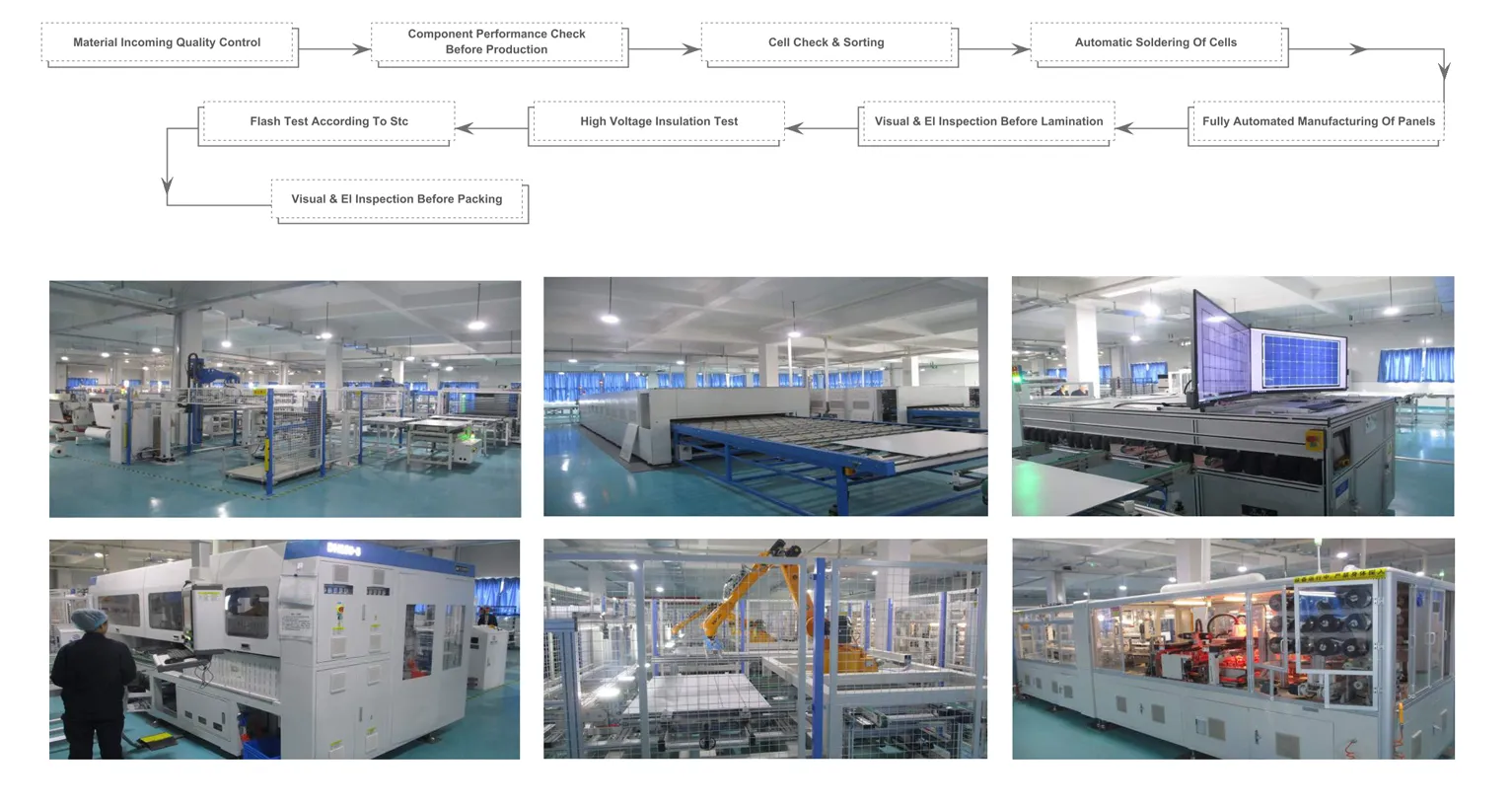
Best for: Industrial-scale solar integration and IoT smart monitoring. Their 4.0 manufacturing base in Ningbo allows for massive scalability and rapid prototyping for custom commercial projects.
Best for: Heavy-duty surface aeration. A US-based veteran known for robust hardware that withstands harsh salt-water environments.
Best for: Subsurface aeration. Specializing in "Silent Air" technology, they are the go-to for residential estates and golf courses.
Best for: Biological water treatment. They integrate solar aeration with beneficial microbes for chemical-free pond management.
Best for: Precision engineering. Their systems are characterized by custom-weighted tubing and high-efficiency diffusers.
Best for: High-flow rates. Known for American-made fountains that double as powerful aerators for large lakes.
Best for: DIY and residential ponds. They lead the market in consumer-friendly, easy-to-install solar kits.
Best for: Advanced filtration. Their solar systems are often paired with award-winning filter media for koi ponds.
Best for: Aesthetic water quality management. They blend industrial strength with fountain-like visual appeal.
Best for: Small-scale fish farming and recreational fishing ponds, offering reliable solar-powered turn-key solutions.
In regions like Southeast Asia and South America, solar aerators have revolutionized shrimp and tilapia farming. By maintaining DO levels during the critical 2 AM to 6 AM window using battery-backed solar systems, farmers have seen a 30% increase in harvest yield and a 100% reduction in nocturnal crop loss due to hypoxia.
Smart cities are integrating ApexSolar IoT aerators to manage urban heat islands. These systems operate autonomously, alerting city maintenance only when sensors detect water quality shifts, reducing labor costs by 45% annually.
Advanced systems from manufacturers like Ningbo FLare Solar utilize high-density Lithium (LiFePO4) battery arrays. These systems are designed with "Autonomy Days" (typically 3-5 days), ensuring the compressor continues to run even without direct sunlight.
Surface aerators are best for shallow ponds and localized oxygenation. Bottom diffused systems (like those provided by Top 10 suppliers) are superior for deep water bodies as they break up thermal stratification and oxygenate the entire water column from the bottom up.
Typically, the payback period is 18 to 24 months. This is calculated by the elimination of electrical trenching costs (which can be $5,000+ for remote ponds) and the total removal of monthly utility bills.
Thanks to brushless DC motor technology and self-cleaning solar panel coatings, maintenance is minimal. An annual check of the air filters and diffuser membranes is usually sufficient for optimal performance.
 FLare Solar