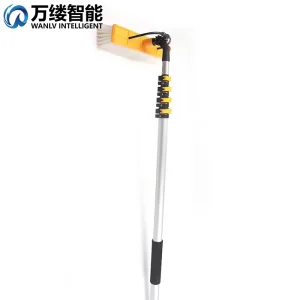
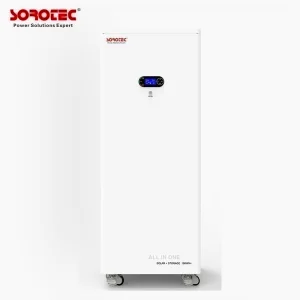
Explore our industrial solar components, manufacturing machinery, and off-grid utility portfolios optimized for systemic integration and long-term durability.
As the international community converges on ambitious net-zero milestones, utility-scale developers and EPC contractors are rapidly transitioning from traditional monofacial modules to advanced bi-facial (double-glass) solar architectures. Global energy procurers are focused on maximizing the Levelized Cost of Energy (LCOE) through albedo-enhanced generation profiles.
Unlike standard panels, bi-facial technology captures reflected ground radiation, unlocking an additional 5% to 30% yield boost depending on ambient albedo levels (ranging from dry grass surfaces to highly reflective white gravel or concrete foundations). In major PV procurement markets—spanning North America, the European Union, the Middle East, and APAC—bi-facial modules are now standard configuration for tracker-equipped solar farms.
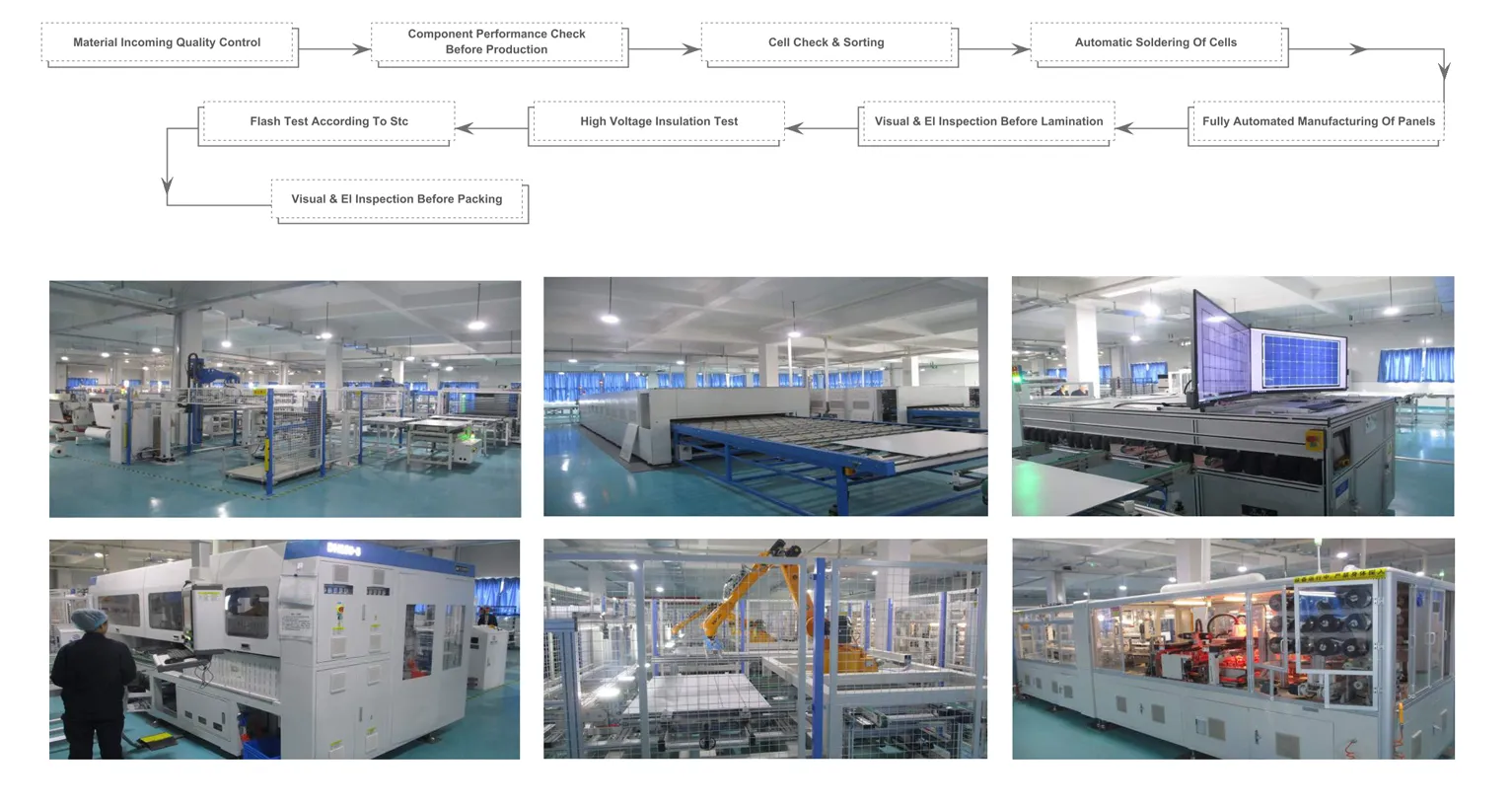
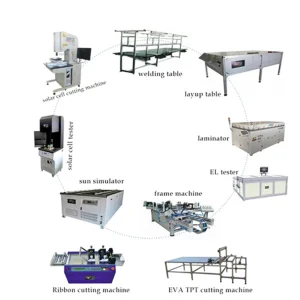
ApexSolar coordinates global component production, automated plant operations, and local site conditions to build robust clean-energy ecosystems.
By pairing double-glass bi-facial panels with optimized, high-clearance tracker arrays, our systems elevate the rear-side absorption window, minimizing structural shading and yielding superior annual megawatt-hour outputs.
Utilizing high-transmittance double-glass panels, ApexSolar enables dual-use farming layouts. Rear-side absorption harnesses light reflected from crop canopies and water bodies while optimizing the local microclimate.
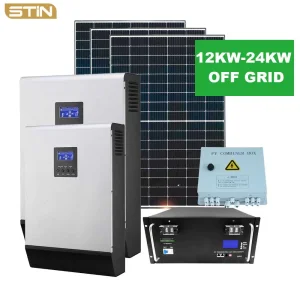
Integrating hybrid storage with intelligent MPPT charge control, we supply turnkey decentralized energy modules. These setups guarantee grid-isolated communities and commercial complexes reliable, continuous power.
Ningbo FLare Solar Co., Ltd. is a leading innovator in the solar energy industry, specializing in advanced solar street lights, smart IoT solutions, and LED energy-efficient systems. Headquartered in Ningbo, China, the company has established a strong reputation for delivering high-quality, reliable, and sustainable solar solutions to urban, commercial, and residential clients worldwide.
Under its flagship brand, ApexSolar, Ningbo FLare Solar focuses on integrating cutting-edge technology with eco-friendly design to meet the growing demand for smart and energy-efficient lighting solutions. The company's product portfolio includes solar street lights equipped with IoT-enabled monitoring systems, high-performance LED modules, and durable battery storage solutions.
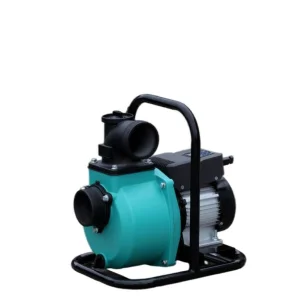
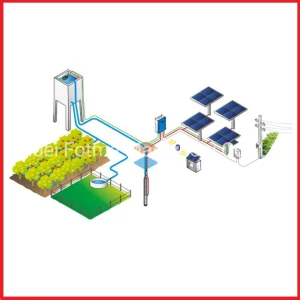
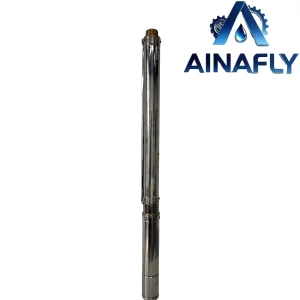
These innovations ensure long-lasting illumination, intelligent energy management, and remote monitoring capabilities, making city infrastructure safer and more sustainable. In addition, Ningbo FLare Solar develops off-grid and hybrid solar pump systems for agriculture and water management, combining efficiency, reliability, and cost-effectiveness.
With a dedicated research and development team, stringent quality control standards, and commitment to sustainability, Ningbo FLare Solar Co., Ltd. continually advances solar technology. The company collaborates with global partners, distributors, and municipalities to deliver tailored solutions that reduce energy consumption and environmental impact.
An inside look at our engineering efforts to push panel efficiencies past theoretical ceilings using next-gen cell structures.
Moving past standard P-type architectures, our technology centers on N-type Tunnel Oxide Passivated Contact (TOPCon) and Heterojunction (HJT) designs. These technologies support a bifaciality coefficient of 80% to 85% and deliver a near-zero LID (Light Induced Degradation) profile.
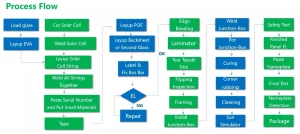
To combat PID and moisture ingress in harsh high-temperature, high-humidity regions, we use double-glass configurations combined with Polyolefin Elastomer (POE) encapsulation. This choice delivers far greater chemical resistance than standard EVA films.
ApexSolar embeds real-time IoT diagnostic chips inside the system junction boxes. This enables remote telemetry monitoring via cellular or WiFi networks, ensuring preventive fault detection and maximizing site uptime.
Navigating the complex import tariffs, local grid standards, and strict bankability audits required for global project financing.
Exporting complex commercial solar equipment worldwide requires meeting stringent technical standards. Our engineering team ensures every component exported by Ningbo FLare Solar is fully compliant with regional and international codes, including IEC 61215, IEC 61730, and UL 61730 certifications.
These international compliance benchmarks assure utility developers and financing entities of the electrical safety, mechanical durability under heavy wind and snow loads, and long-term insulation integrity of our solar solutions.
Furthermore, our supply chain incorporates trace-certified manufacturing routes, offering transparency to clients navigating global trade regulations, including anti-circumvention laws and ESG carbon audits.
Realizing the full potential of high-efficiency bi-facial projects requires expert local support. We assist our distribution partners and regional EPC offices with system layout simulations, albedo evaluations, and optimized tracker-matching configurations.
From initial design support to field commissioning audits for automated manufacturing lines and commercial irrigation systems, ApexSolar provides end-to-end technical backup, maximizing ROI across the full 30-year operational lifecycle.
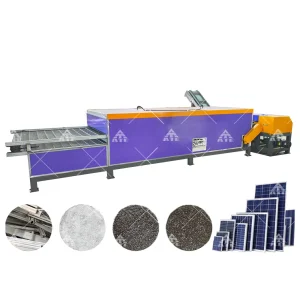
Explore our secondary assemblies, cleaning kits, and advanced manufacturing lines designed for PV developers and installation teams.

In-depth technical answers for solar developers, engineering consultants, and global procurement managers.
 FLare Solar