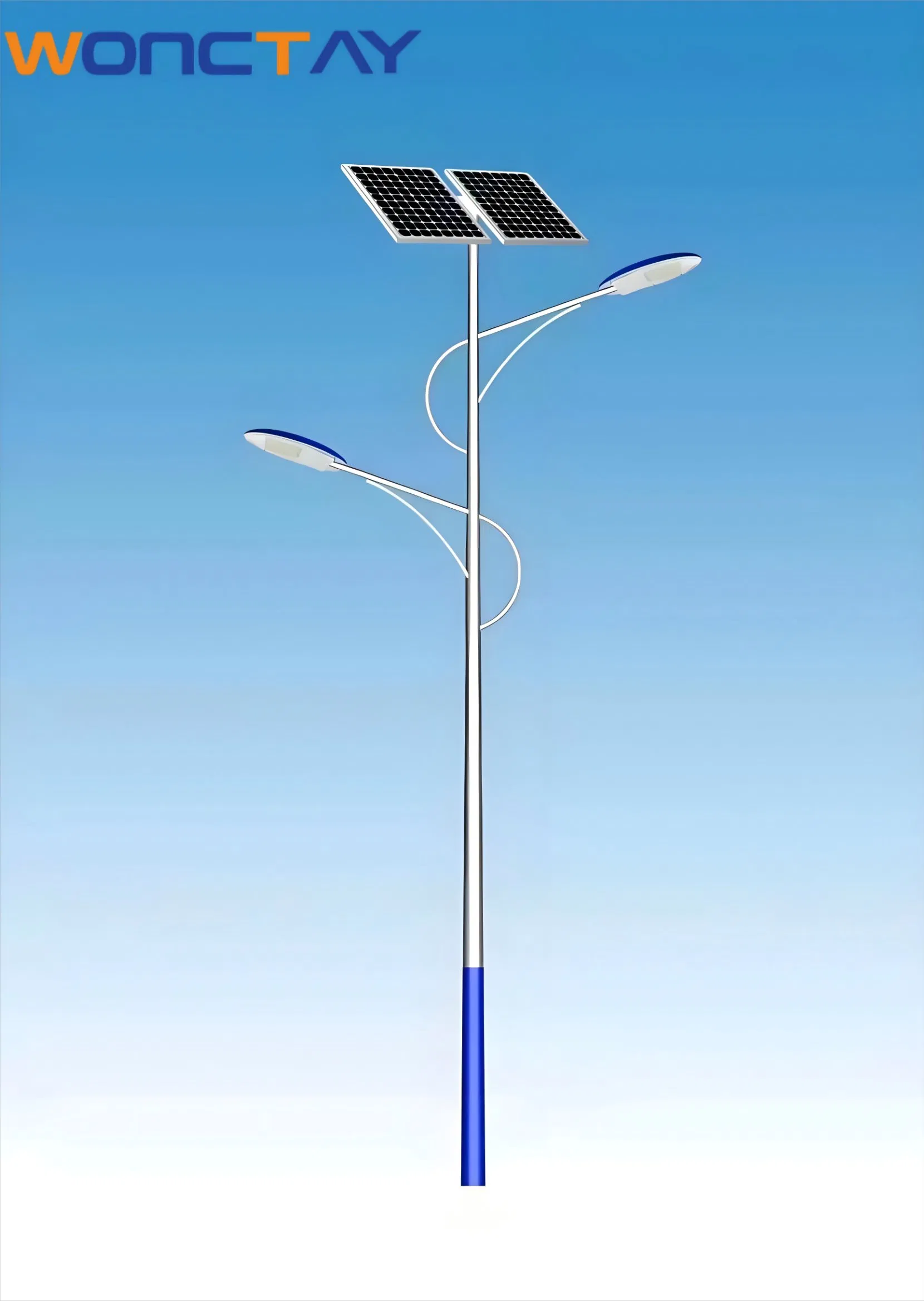
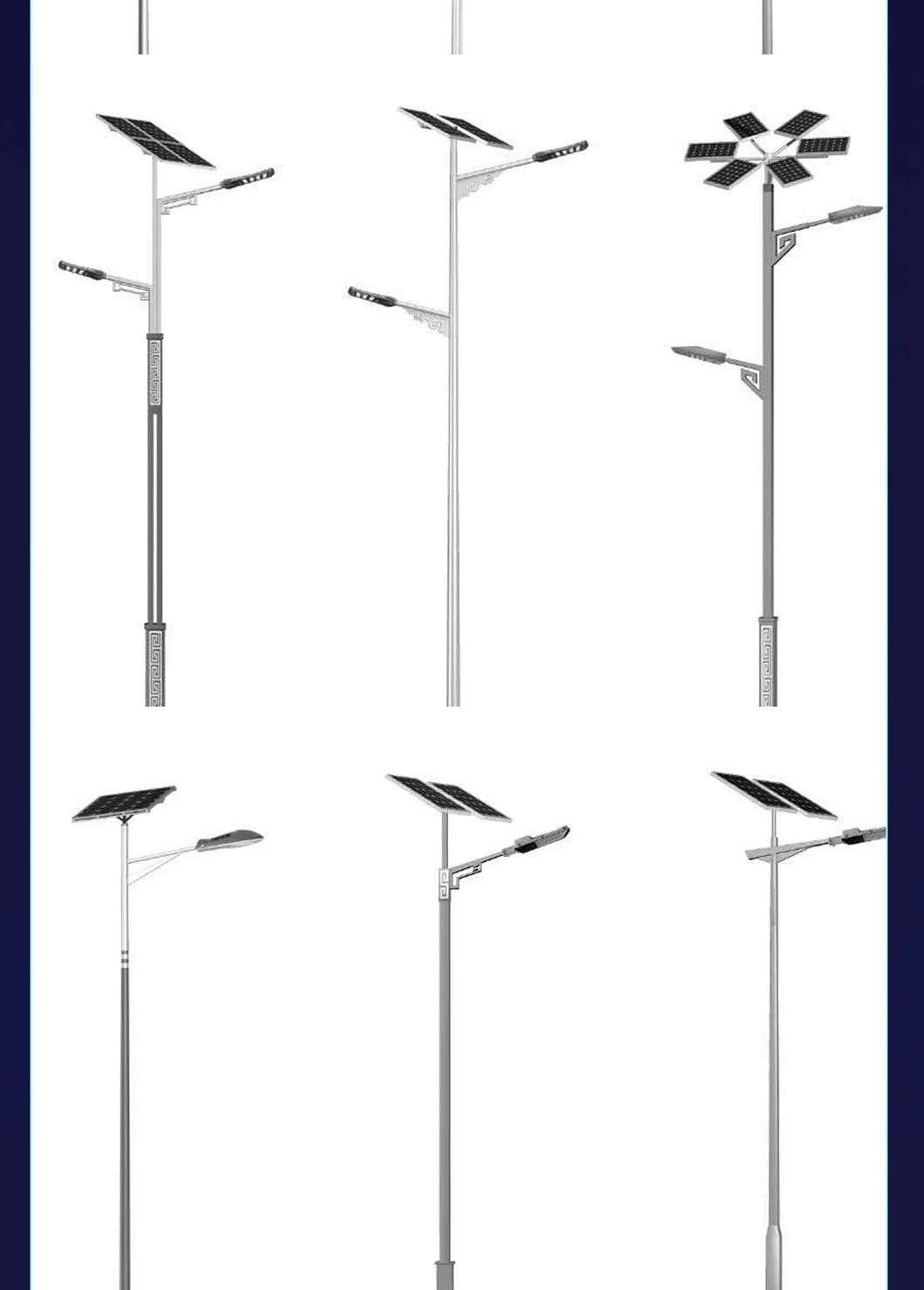
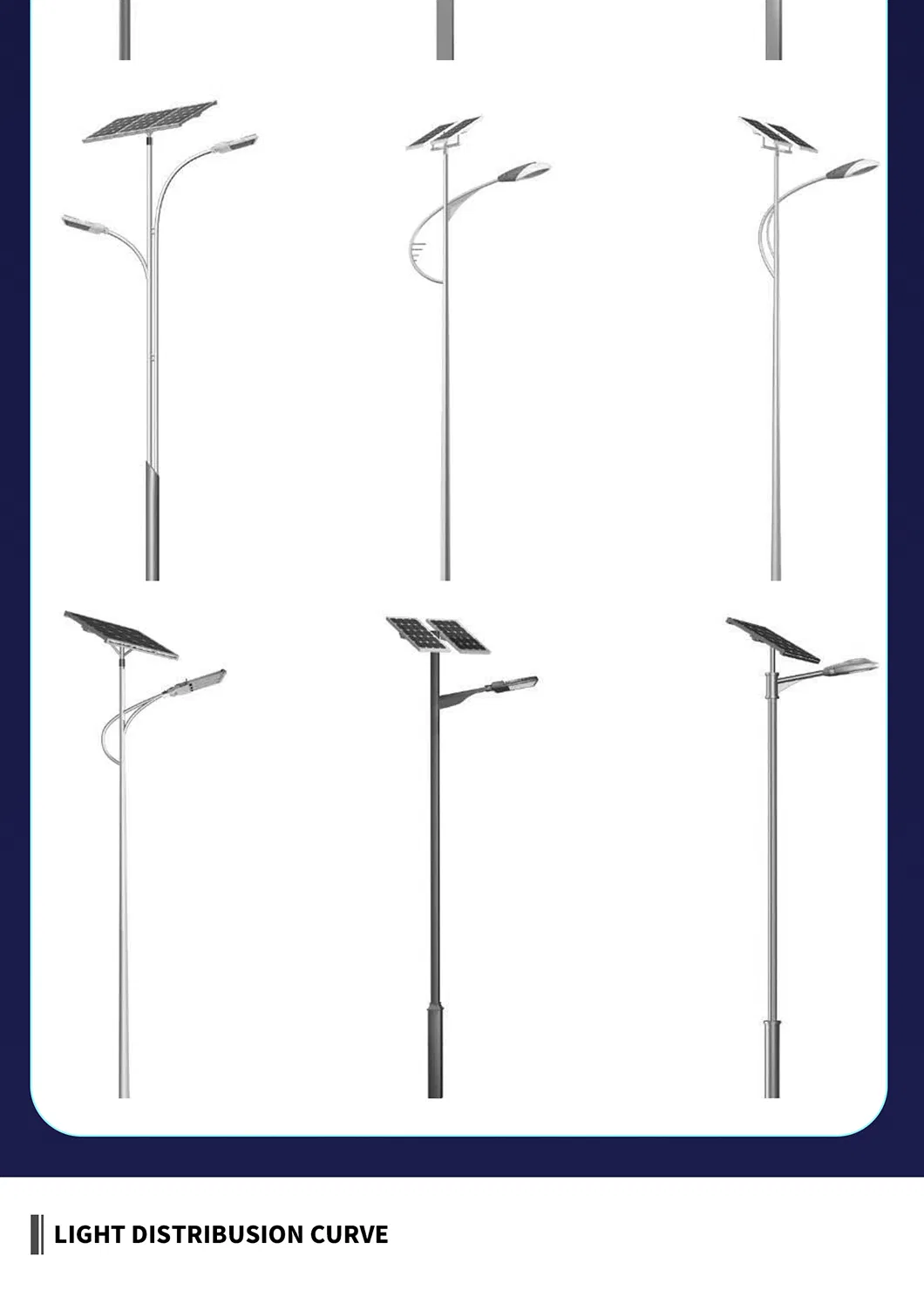
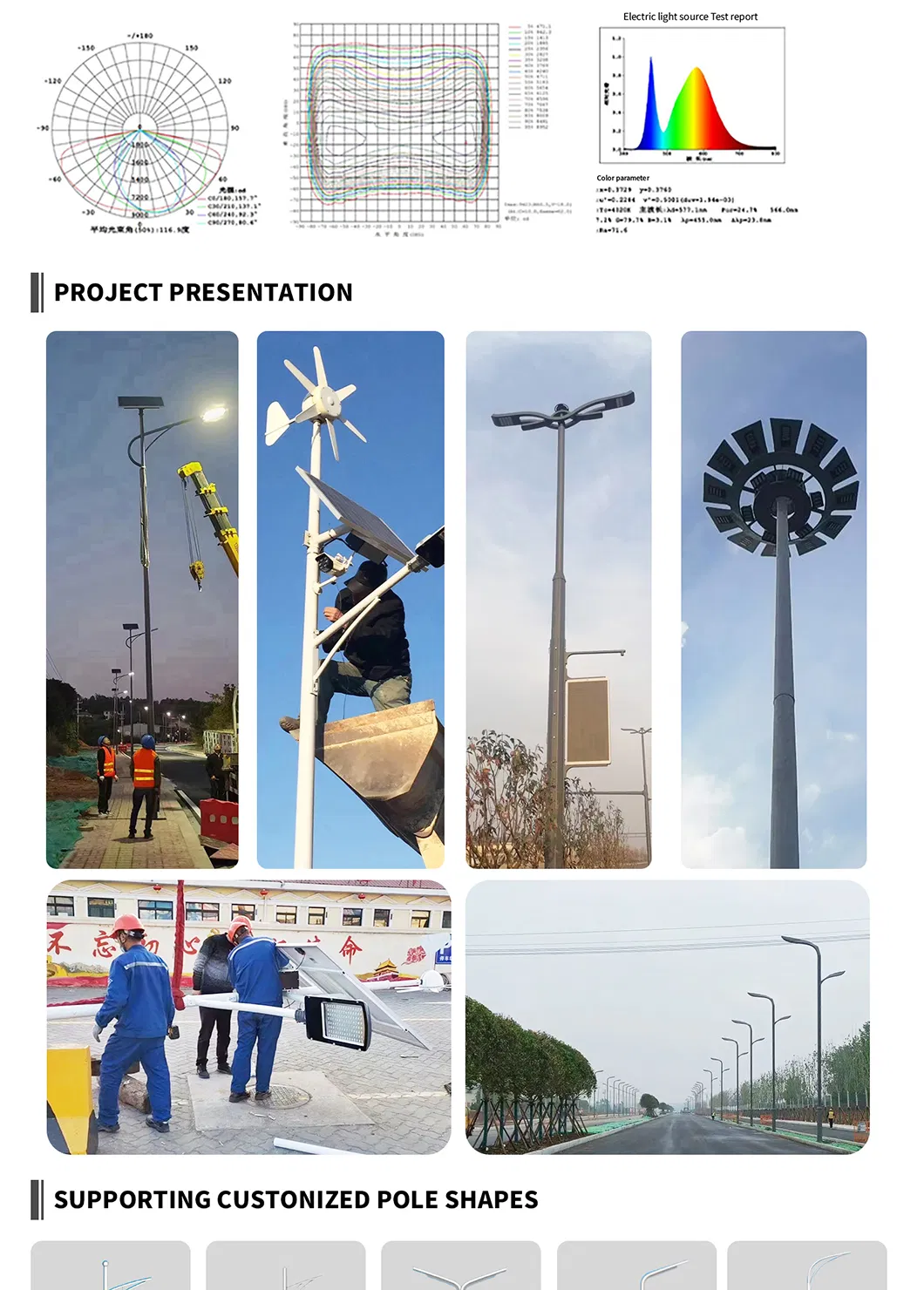
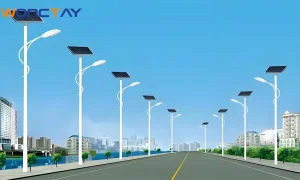
Split-Type Solar Street Lamp System
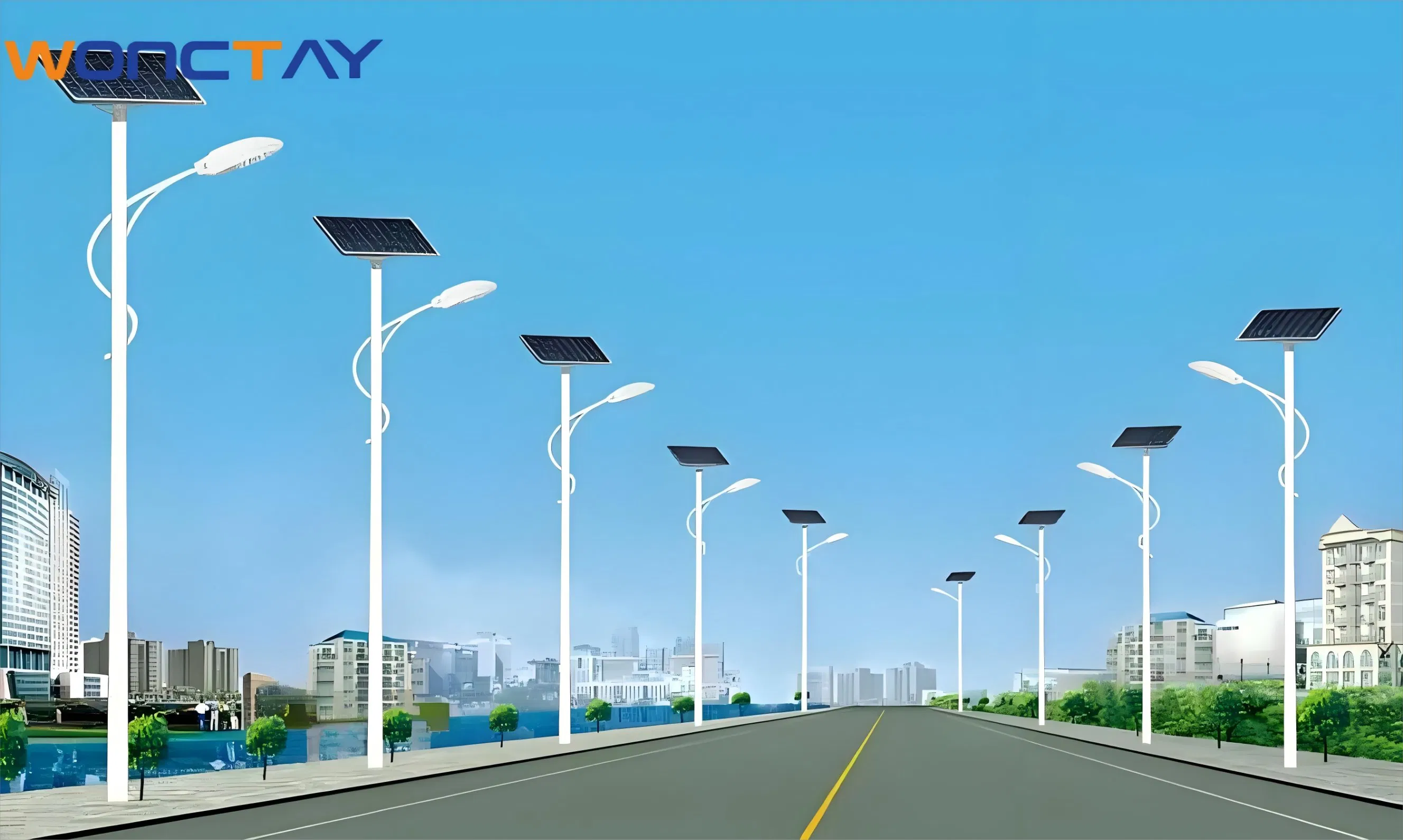
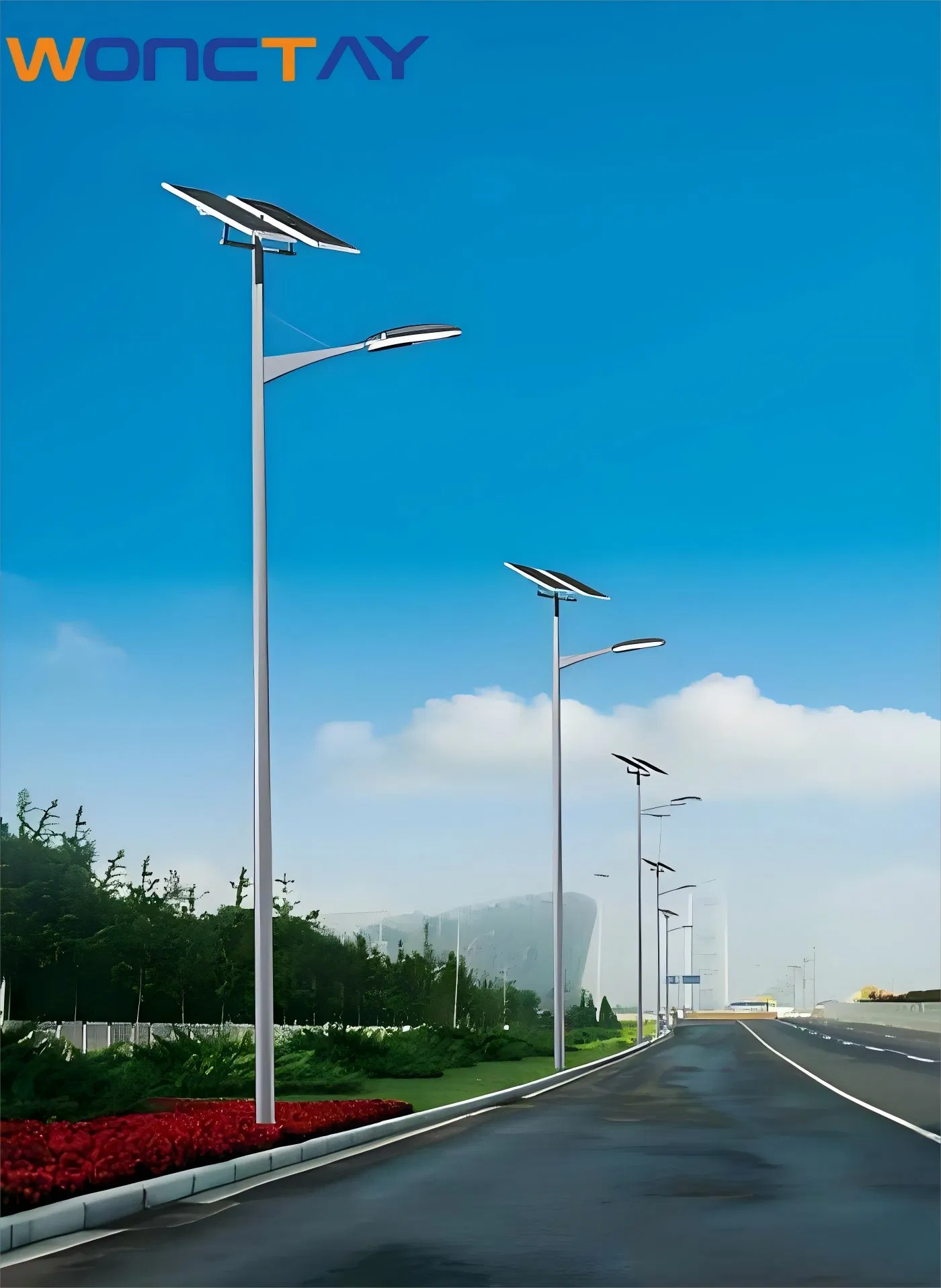
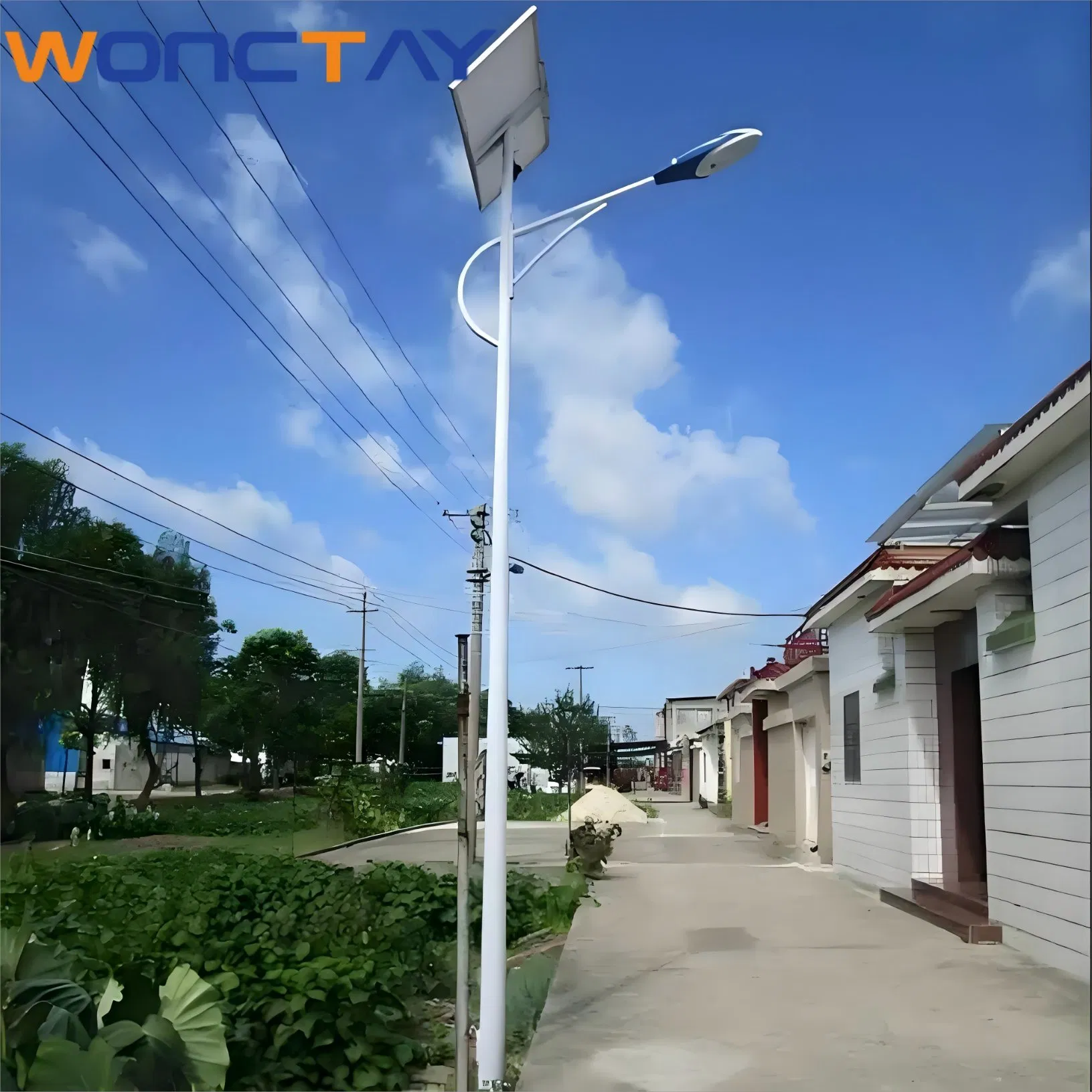
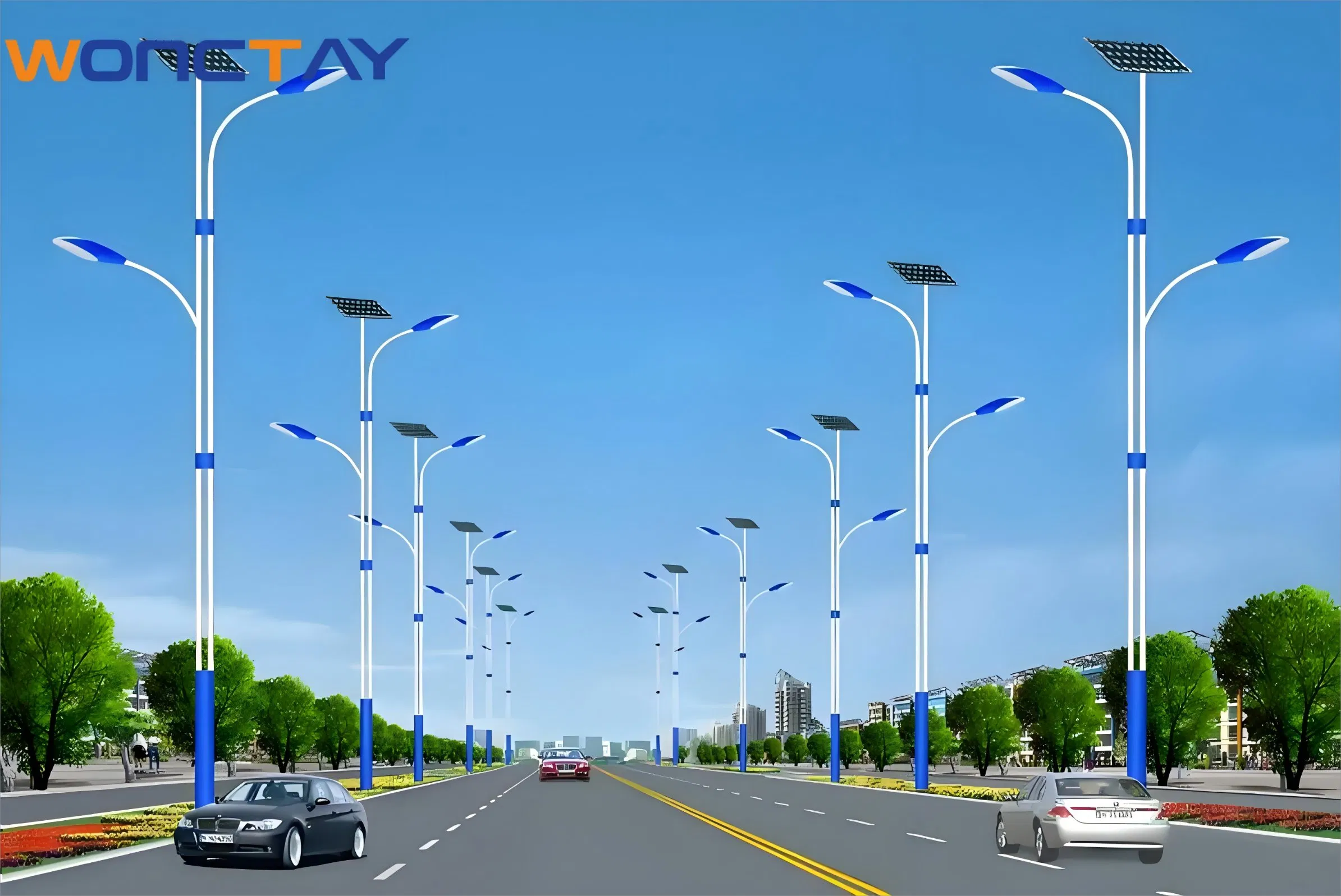
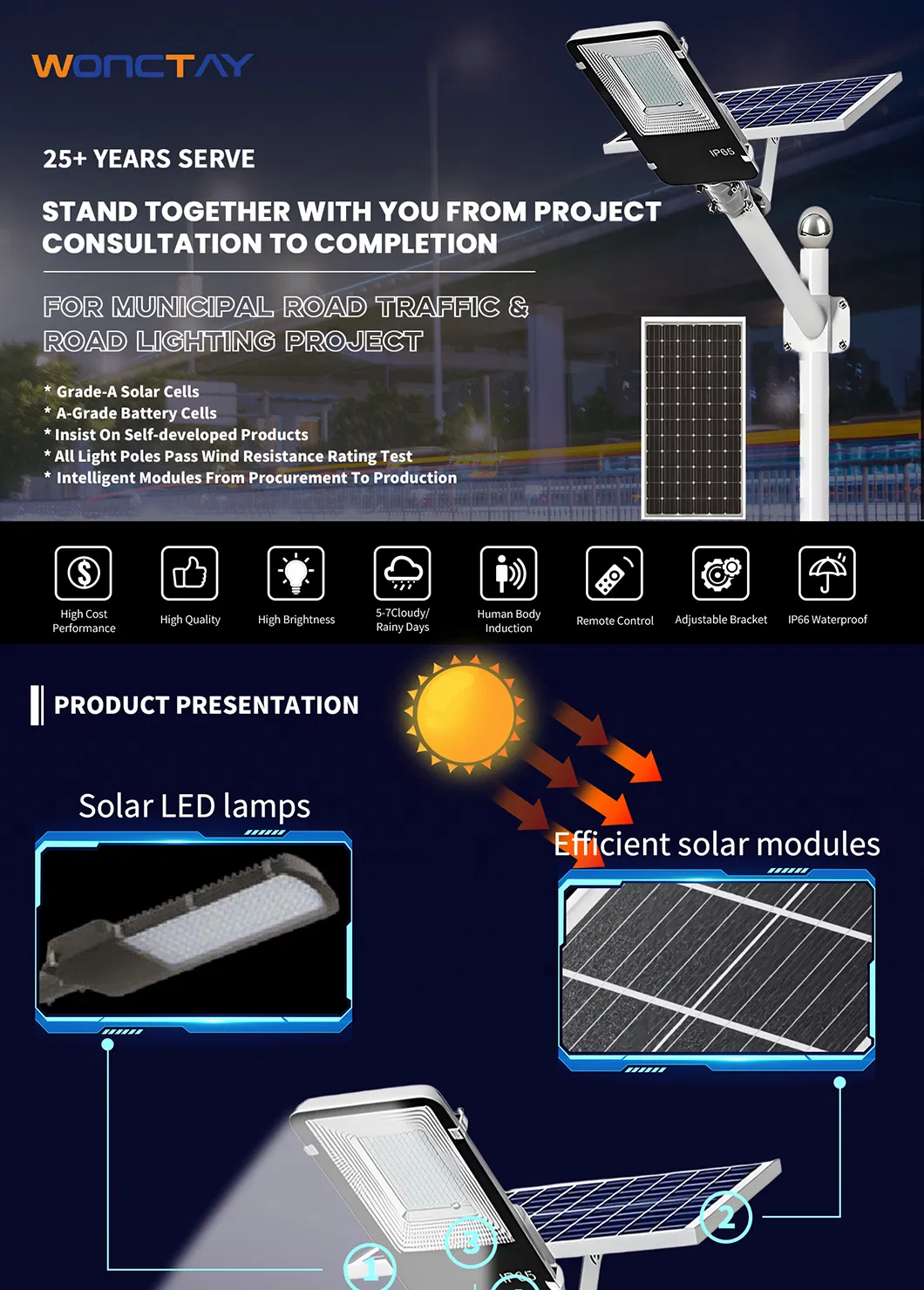
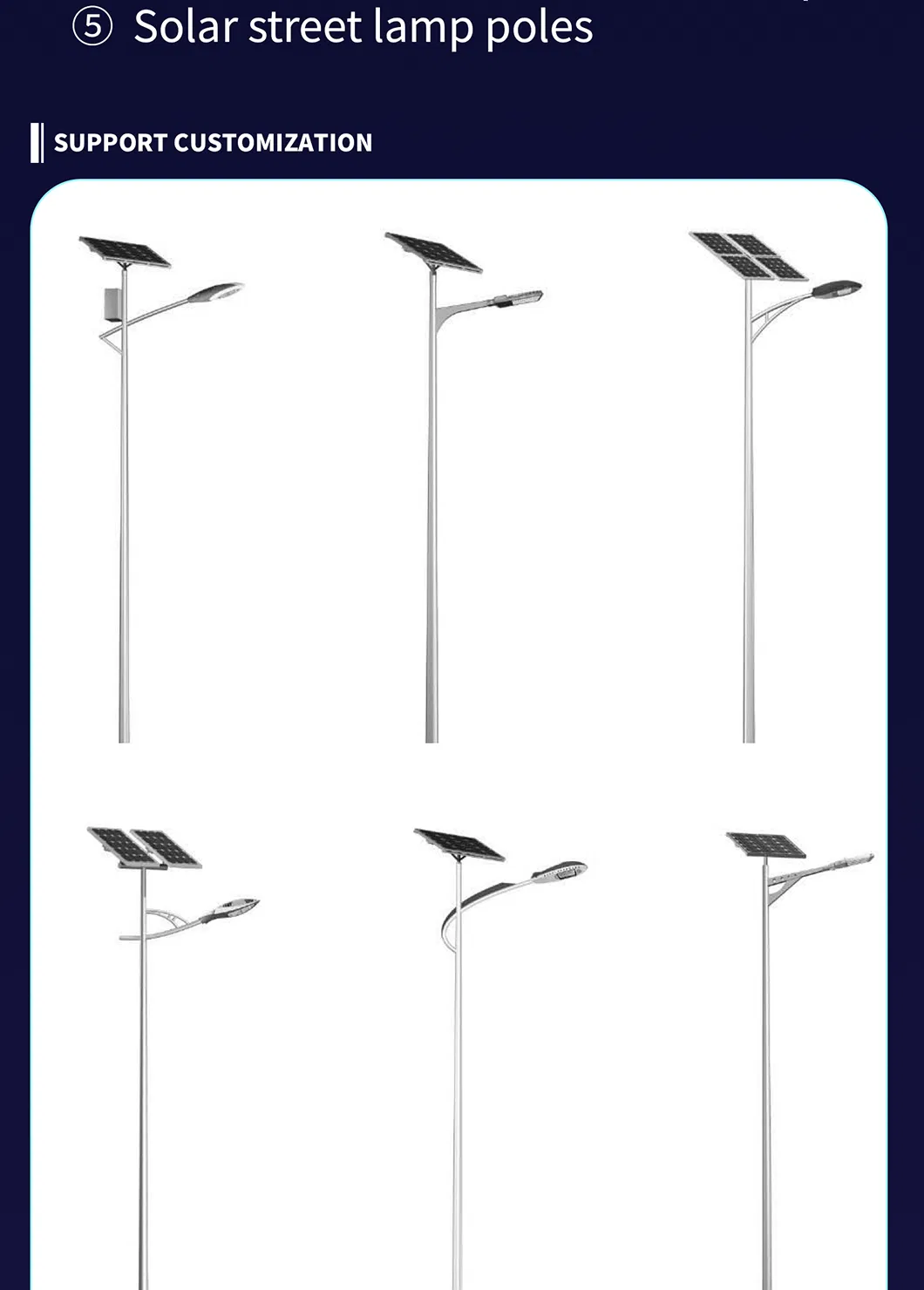
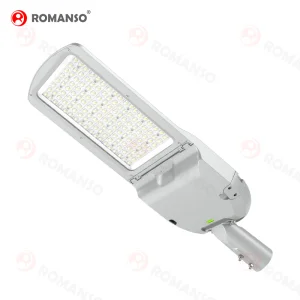
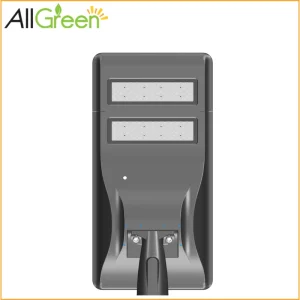
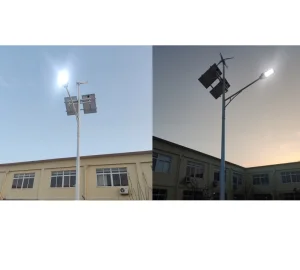
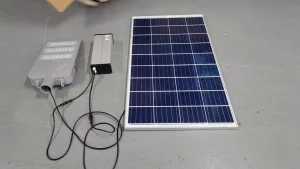
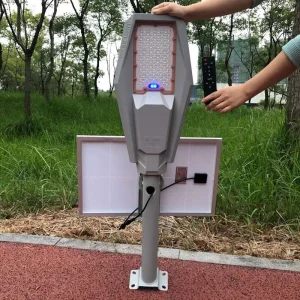
The split-type solar street lamp is an independent lighting system where core components like the solar panel, battery, controller, and LED lamps are installed separately. This modular layout breaks through traditional limitations, offering higher flexibility and efficiency.
I. System Composition & Working Principle
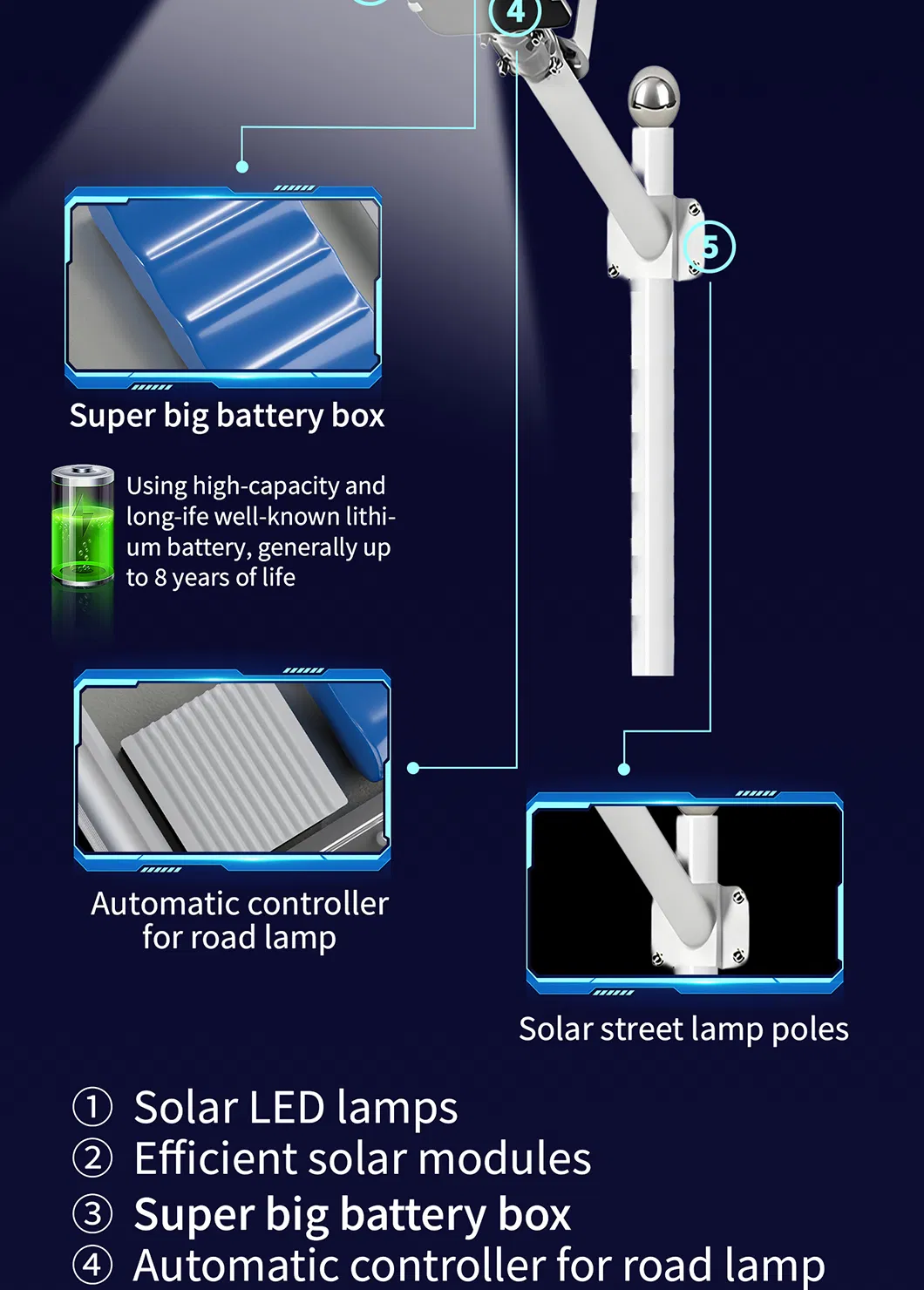
- Photovoltaic Panel: Installed independently at the top of the pole to maximize sunlight absorption.
- Battery: Large-capacity lithium or colloidal batteries, usually buried or placed at the bottom.
- Controller: Intelligent management with overcharge protection and dual light/time control modes.
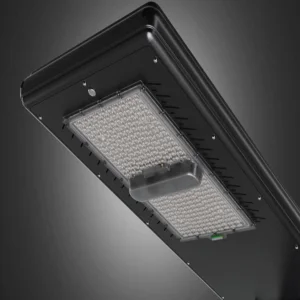
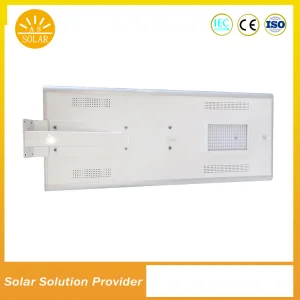
- LED Lamp: High brightness, low power consumption source matching the DC system.
- Working Principle: Panels generate power by day → Stored in battery → Controller activates LED at night.
II. Core Advantages
1. Flexible Layout & Enhanced Performance: Panels can be tilted at optimal angles (e.g., 30° South), increasing power efficiency by 20%-30%. Battery capacity is expandable (up to 200Ah) for 5-7 days of backup.
2. Durability & Low Maintenance: Buried batteries avoid extreme heat, extending life to 5-8 years. Modular design reduces maintenance costs by over 60% as single components can be replaced.
3. Environmental Adaptability: IP68 waterproof protection for humid areas and buried battery designs for cold northern climates to prevent capacity loss.
4. Intelligent Control: Supports motion sensors (100% brightness on detection) and remote energy-saving modes, reducing waste by 40%.
III. Application Scenarios
- Highways & Rural Roads: Suitable for 6-12m poles with wide coverage.
- Off-grid Areas: Ideal for islands or remote regions without power infrastructure.
- Ecological Zones: Zero cable laying protects the natural landscape.
- Emergency Relief: Rapidly deployable temporary lighting networks.
IV. Comparison Analysis
| Index |
Split Solar Street Lamp |
Traditional Street Lamp |
Integrated Solar Lamp |
| Installation Cost |
Low (No cable costs) |
High (Digging & wiring) |
Very Low |
| 10-Year Total Cost |
Lowest (No fees) |
Highest (Electricity+Maint) |
Medium (Battery replace) |
| Stability |
High (5-7 days backup) |
Grid Dependent |
Low (2-3 days backup) |
| Best Use Case |
Professional Projects |
City Infrastructure |
Small Garden/Short Poles |
Frequently Asked Questions
Q1: What is the main advantage of a split-type solar lamp over an integrated one?
The split-type allows for much larger solar panels and batteries, meaning it can provide higher brightness (up to 200W) and longer backup time during rainy periods compared to limited integrated designs.
Q2: How long does the battery last?
We use high-quality Lithium Iron Phosphate (LiFePO4) batteries which typically last 5-8 years. The buried installation option further protects them from extreme temperature fluctuations.
Q3: Is the system waterproof?
Yes, the system is rated IP65 for the lamp and up to IP68 for the underground battery box, making it suitable for heavy rain and humid environments.
Q4: Can the light operate in extremely cold climates?
Yes. By burying the battery below the frost line, we ensure the battery maintains its capacity even when surface temperatures drop below freezing.
Q5: Does it require professional maintenance?
Maintenance is minimal. Due to the modular design, if a component fails after many years, you only need to replace that specific part (like the battery or sensor) rather than the whole unit.
Q6: How does the motion sensor work?
The built-in sensor detects movement. The light can stay at a dim energy-saving mode (30% brightness) and automatically switch to 100% brightness when a person or vehicle passes by.
 FLare Solar