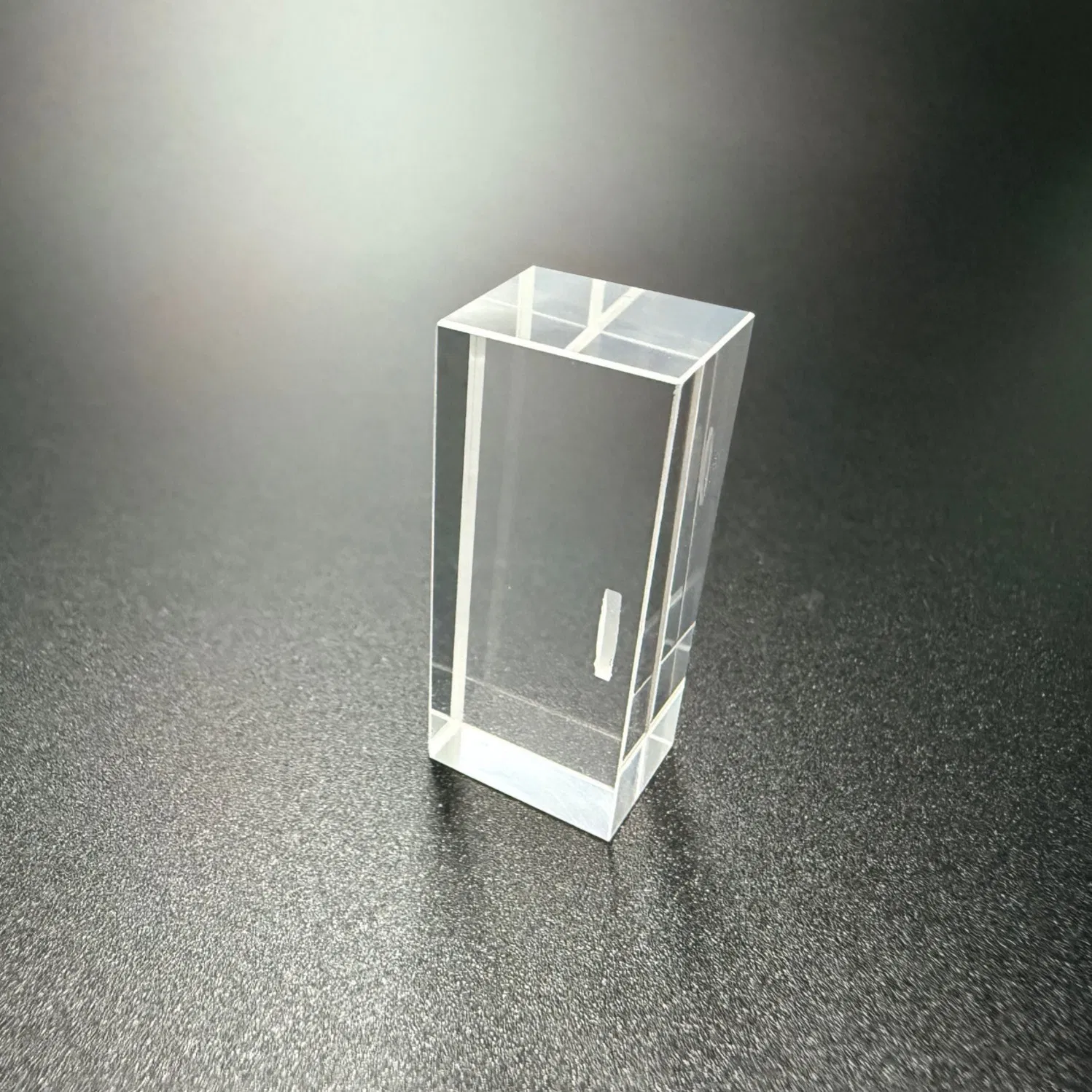
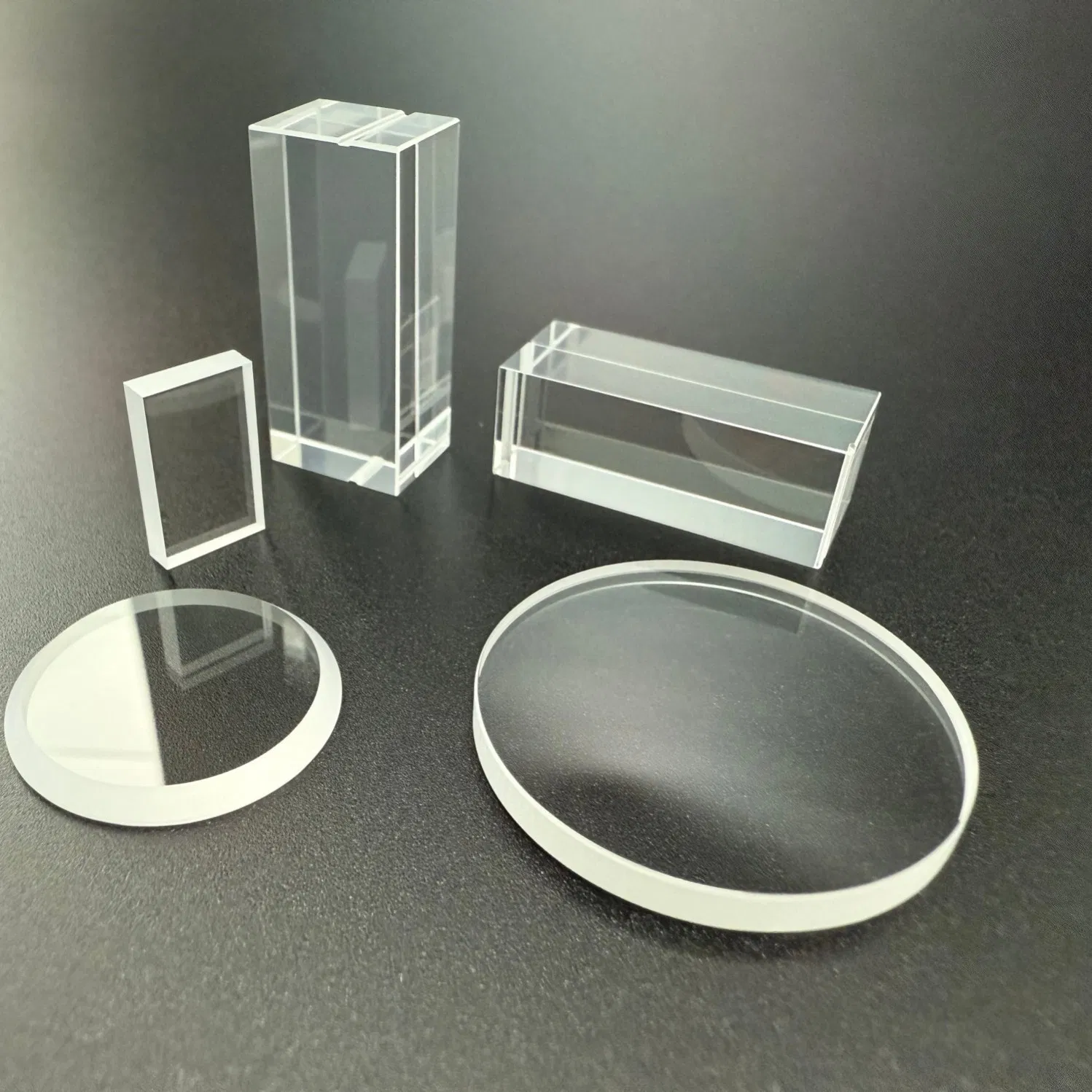
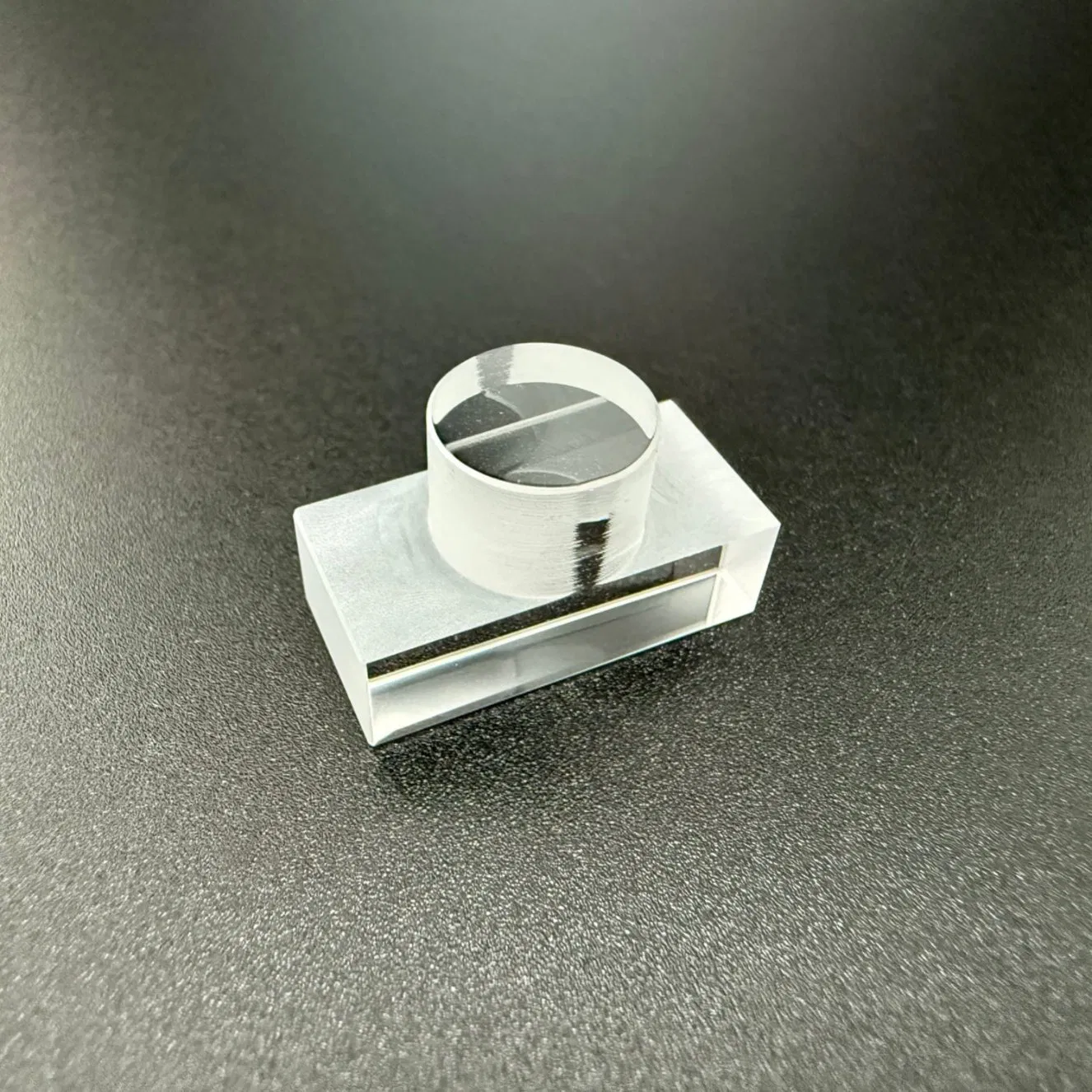
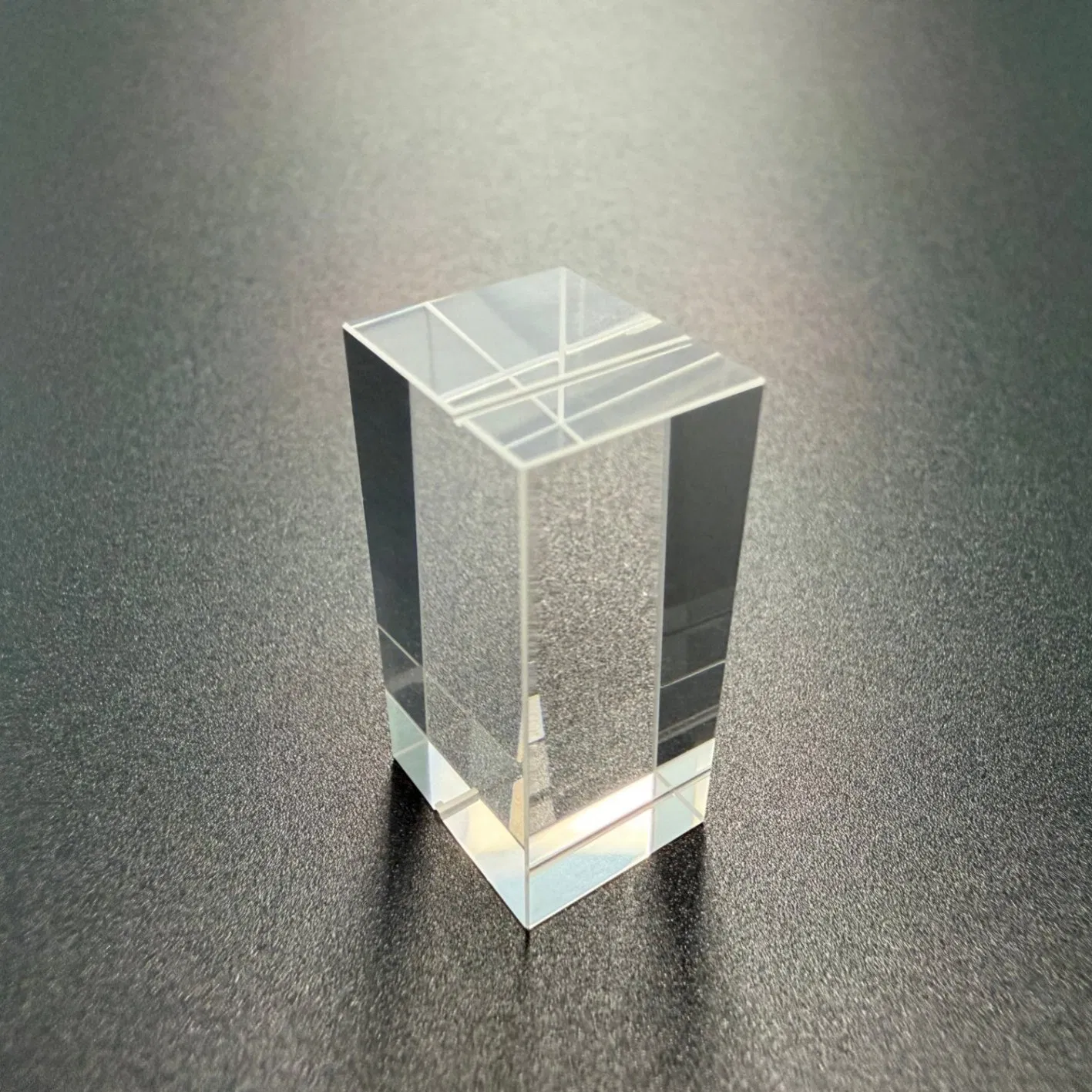
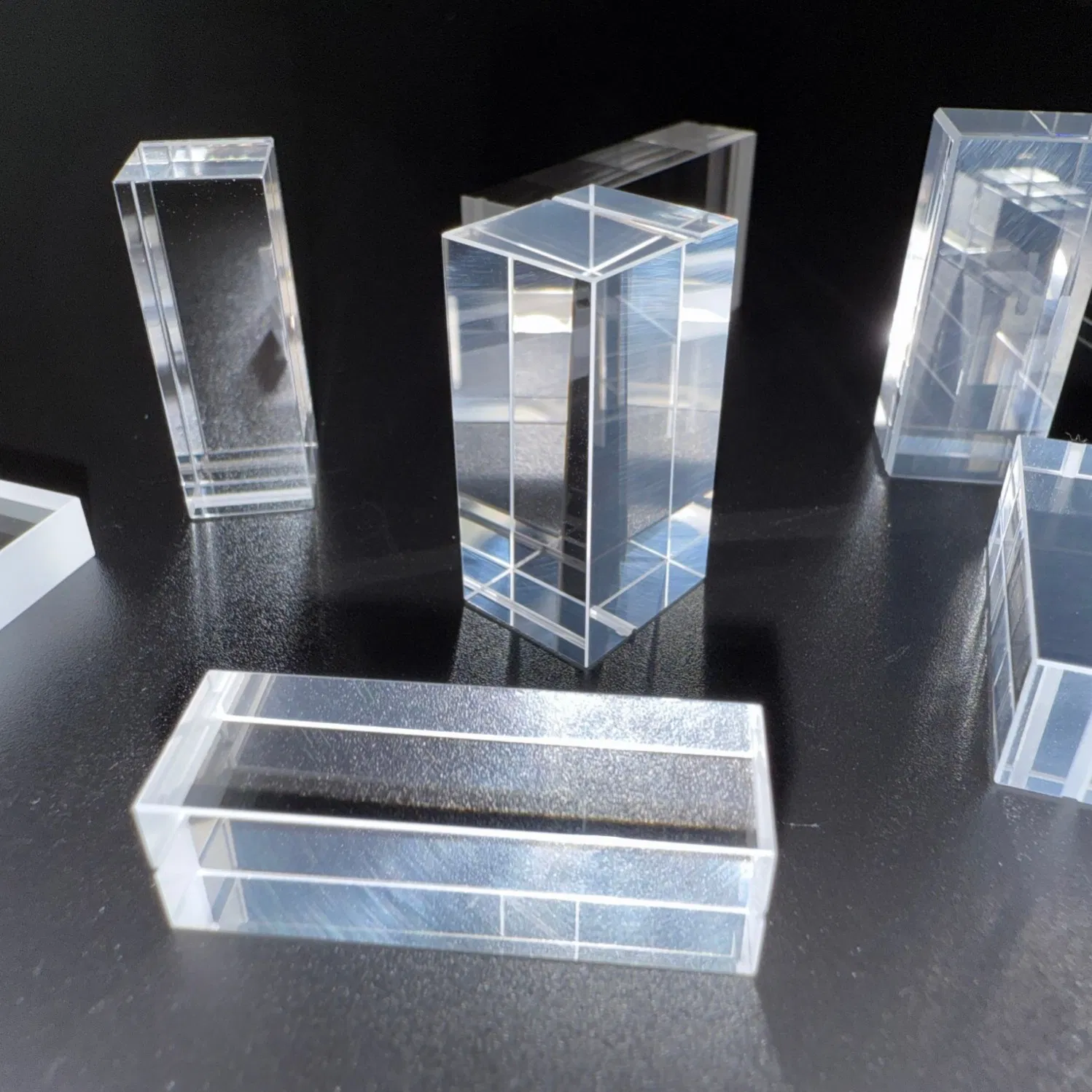
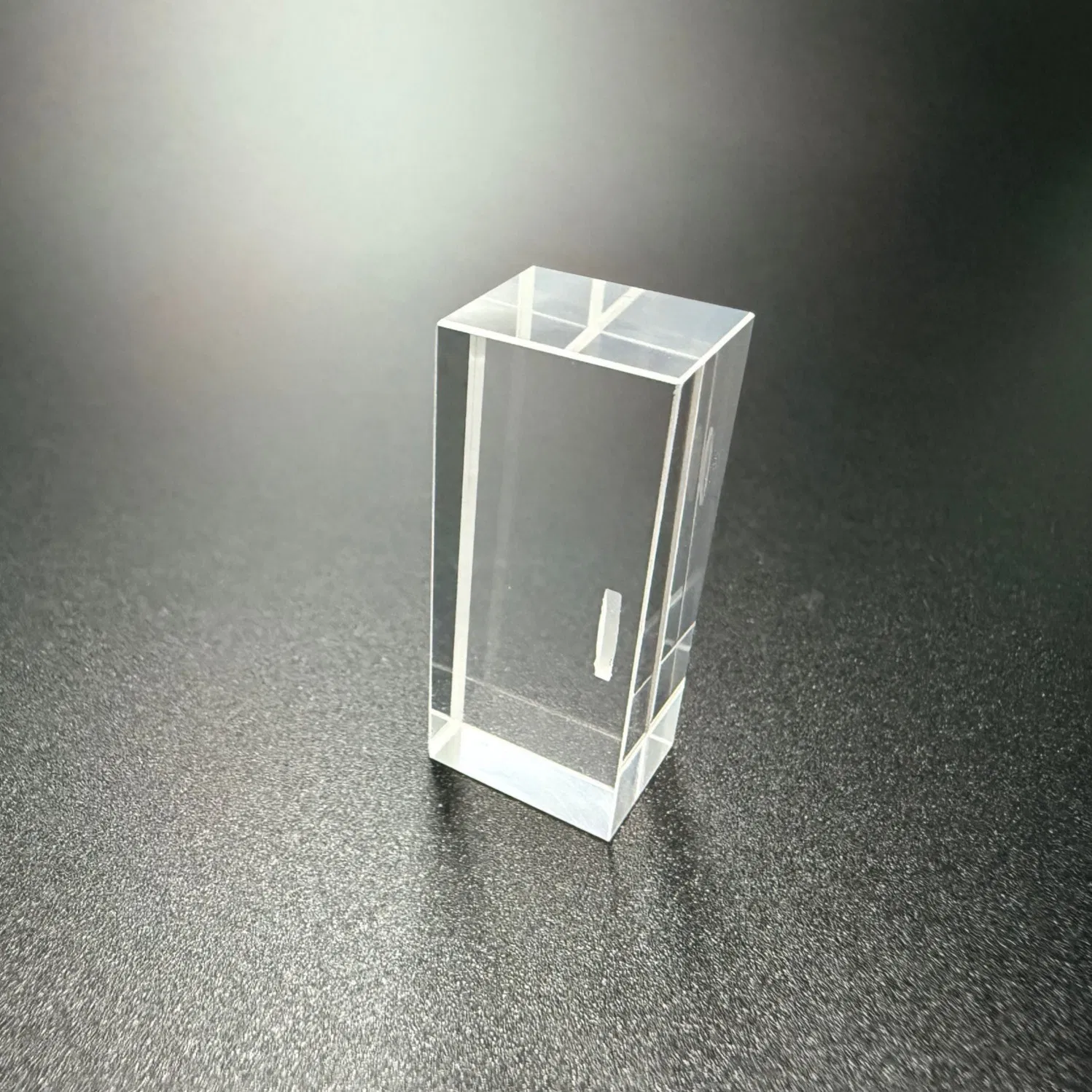
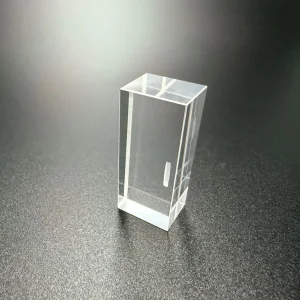
Solar Energy Monitoring Systems Sapphire Glass Optical Lens

Still deciding? Get samples of $ !
Order Sample

Product Description

ℹ️

Basic Information

Model NO.
custom
Type
Rectangular Prism
Usage
Beam Dispersion, Beam Split, Medical, Optical
Shape
Cube Corner Prism
Material
Glass / Synthetic Sapphire Glass
Application
Medical Instrument, Solar Energy Monitoring
Transmittance
>95%
Hardness
Mohs Hardness 9
Refractive Index
1.76-1.77 (@589nm)
Density
3.98 G/Cm³
Package Size
20.00cm * 20.00cm * 20.00cm
Gross Weight
1.000kg
💎

Product Description

Sapphire Glass Optical Lens
Solar Energy Monitoring System Lens

Sapphire glass is a synthetic single-crystal α-Aluminium Oxide, renowned for its exceptional hardness and optical clarity. It is the material of choice for demanding environments where durability, high thermal conductivity, and wide transmission ranges are required.
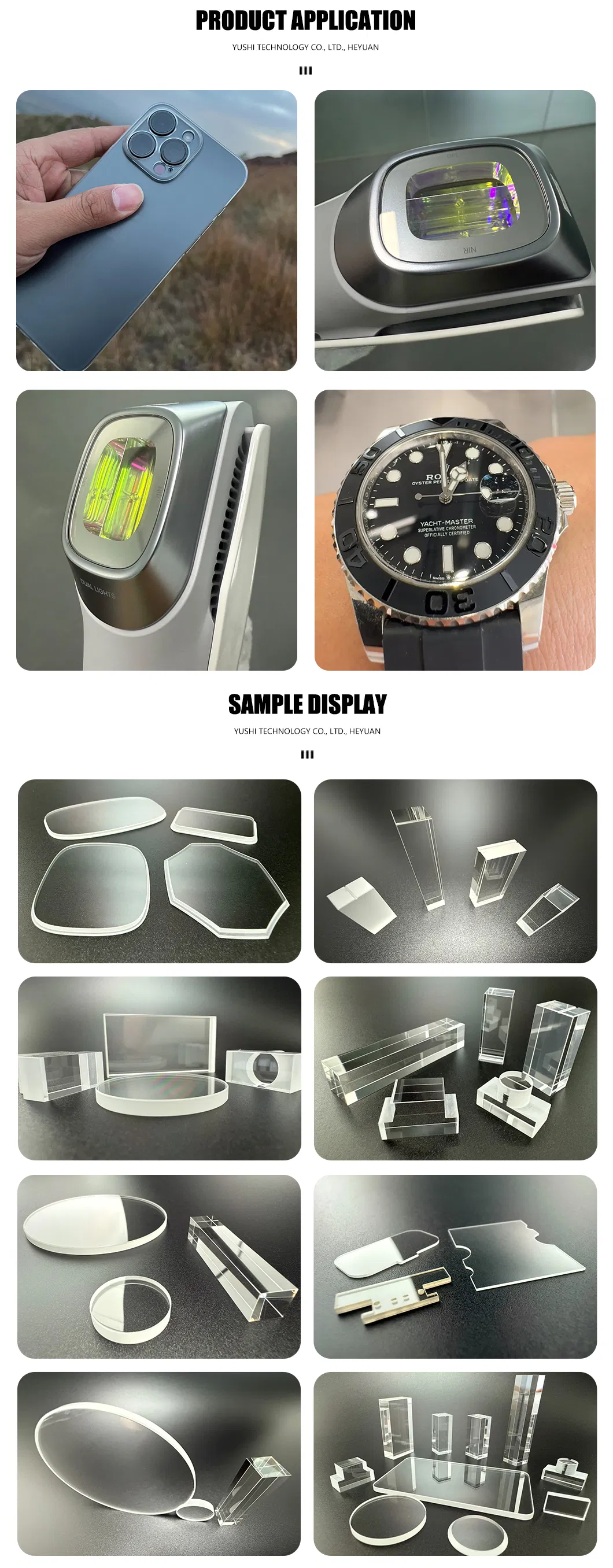
Sapphire Window Details
Sapphire Glass Specifications
Category Parameter Typical Value / Description Notes
Basic Info Crystal Structure Hexagonal Crystal System Anisotropic
Growth Method Kyropoulos, HEM, EFG High purity synthesis
Product Form Flat, Spherical, Aspheric Customizable
Physical Mohs Hardness 9 Second only to diamond
Young's Modulus 345 GPa High rigidity
Flexural Strength > 690 MPa Surface finish dependent
Thermal Melting Point 2040 °C Extremely high stability
Operating Temp 1900 °C (Vacuum) / 1000 °C (Air) Thermal shock resistant
Thermal Conductivity 25 - 35 W/(m·K) 30x higher than standard glass
Optical Transmission Range 0.15 μm - 5.5 μm Deep UV to Mid-IR
Refractive Index no = 1.768 / ne = 1.760 @ 587.6 nm
Internal Transmittance >85% @ 0.3μm 1mm thickness
📜

Certifications

Product Certifications

Frequently Asked Questions

1. Is sapphire glass made from real natural gemstones?
No, sapphire glass used in industrial and optical applications is synthetic sapphire crystal. It is created by crystallizing aluminum oxide at high temperatures. It has identical physical properties to natural sapphire but is man-made for purity and scale.
2. What is the primary advantage of using sapphire glass?
The core advantage is its exceptional hardness (Mohs 9), which makes it highly resistant to scratches from everyday materials. It also offers excellent optical transmittance and extreme thermal stability.
3. Is sapphire glass shatterproof because it is so hard?
Actually, high hardness can mean high brittleness. While it is incredibly scratch-resistant, it may be more susceptible to shattering or chipping under heavy point impacts compared to softer, more ductile materials.
4. What is the transmission range of these optical windows?
Sapphire offers a very broad transmission range, from Deep Ultraviolet (0.15 μm) all the way to Mid-Infrared (5.5 μm), making it ideal for multi-spectral applications.
5. Can sapphire glass handle extreme temperatures?
Yes, it has a melting point of 2040 °C. It can safely operate at temperatures up to 1900 °C in vacuum or inert gas environments, and around 1000 °C in normal air.
6. What coating options are available?
We provide several coating options including Anti-Reflection (AR) to increase transmission, High Reflection (HR) for laser use, Oleophobic/Hydrophobic for easy cleaning, and conductive ITO coatings.

Related Products