Integrate real-time irradiance tracking and smart bi-directional metering into your Nepalese microgrid operations.

Nepal's energy architecture is undergoing a tectonic shift. Historically dependent on run-of-the-river hydropower, the national grid suffers severe seasonal output fluctuations. During dry winters, run-of-the-river hydro output drops by up to 60%, forcing commercial, industrial (C&I), and telecom networks to seek alternative, stable energy solutions.
Solar PV, coupled with utility-grade Energy Monitoring & Management Systems (EMMS), has emerged as the definitive bridge to energy security. With an average of 300 sunny days per year and global horizontal irradiance (GHI) measuring between 4.5 to 6.0 kWh/m²/day, Nepal’s technical solar capacity is massive. However, harvesting this capacity efficiently requires robust local monitoring solutions that can withstand the unique environmental challenges of the Himalayan region, such as extreme altitudes, dust accumulation, and severe temperature swings.
The Nepal Electricity Authority (NEA) grid frequently experiences voltage drops and harmonics. Smart bi-directional energy meters and robust IoT gateways monitor these anomalies in real time, preventing equipment degradation.
With Nepal’s recent net metering directives, C&I projects require highly accurate Class 0.5s or Class 1.0 energy meters to track surplus solar energy injected back into the grid, ensuring proper utility billing and ROI metrics.
Climatic variables across Nepal demand solar systems with IP67/IP68 environmental protection. Solar monitoring systems must include high-precision weather sensors to measure dust, wind velocity, and ambient temperatures.
Tailoring IoT solar monitoring and smart hardware configurations to Nepal’s physical and commercial topography.
Telecom operators like Ncell and Nepal Telecom deploy solar-diesel hybrid solutions in mountainous regions like Mustang, Solukhumbu, and Karnali. Our APP-monitored LiFePO4 batteries and smart BMS interfaces enable remote engineers in Kathmandu to monitor State of Charge (SoC), State of Health (SoH), and voltage parameters without physically visiting inaccessible sites.
For manufacturing facilities in Balaju, Patan, and Biratnagar industrial estates, energy monitoring systems must balance solar generation with grid supply and backup diesel generators. Multi-channel DC meters, such as the Acrel Djsf1352-Rn, enable comprehensive tracking of DC charging loops, heavy industrial loads, and solar storage efficiency.
In the fertile plains of the Terai (e.g., Nepalgunj, Birgunj, Jhapa), solar-driven irrigation pumps are replacing expensive diesel pumps. Utilizing smart remote monitoring, farmers and cooperatives can coordinate pump runtimes, detect motor anomalies, and track water extraction rates to maintain sustainable aquifer usage.
Municipalities across Nepal are transitioning to LED solar street lights. Integrated IoT gateways enable central management dashboards, allowing municipal operators to adjust illumination profiles based on battery health, weather forecasts, and pedestrian movement, reducing long-term public maintenance budgets.
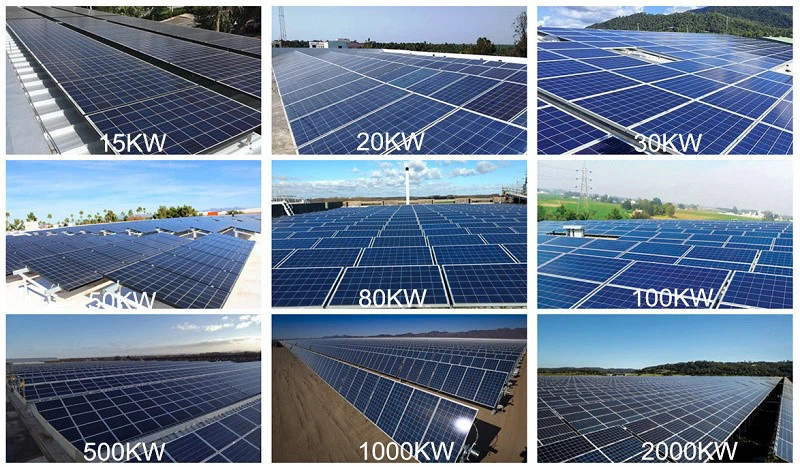
How local installers can integrate advanced communication layers for bulletproof data collection.
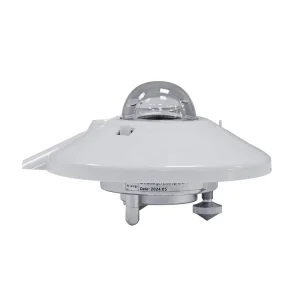
Deployment of Class A ISO 9060 pyranometers, wind sensors, and high-transparency sapphire glass optical lenses directly at the PV array to gather physical ambient variables without signal distortion.
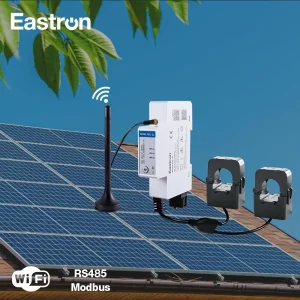
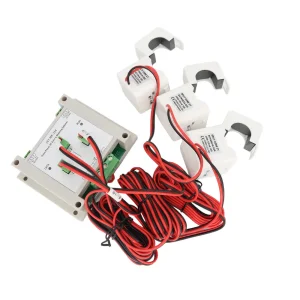
Utilizing high-speed RS485 Modbus RTU protocols via meters like Eastron and Jsy-Mk to capture voltage, current, reactive power, and bidirectional flow rates from the inverter outputs and the utility grid line.
Conversion of Modbus data into TCP/IP protocol. Deploying Wi-Fi/4G industrial cellular modems featuring automatic localized caching to prevent data loss during common regional telecom network blackouts in Nepal.
Real-time analytics showcasing Generation Yield, Performance Ratio (PR), battery state prediction, and automated alerts for dust build-up (soiling), array mismatch, and converter faults.
As a global leader in clean technology manufacturing, China represents the epicenter of solar sensor, meter, and battery assembly. Headquartered in Ningbo, a world-renowned port city and manufacturing powerhouse, Ningbo FLare Solar Co., Ltd. (ApexSolar) offers distinct supply chain advantages to regional developers in South Asia, and specifically Nepal.
By controlling the entire process from optical glass design (e.g., custom sapphire lens systems) to IoT-enabled smart street light integration, ApexSolar removes standard third-party markups and minimizes lead times. For Nepalese project managers, logistics can be coordinated through land corridors via the Tatopani or Kerung border gates, or ocean-to-land routing via the Kolkata Port in India, reducing delivery lead times to under 30 days.
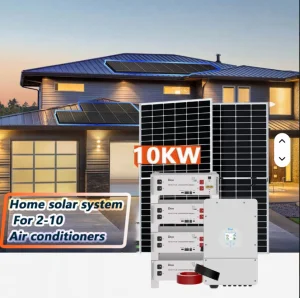
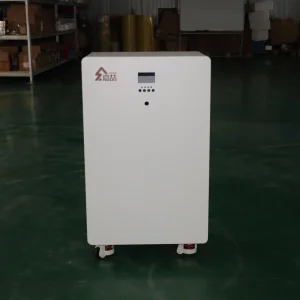
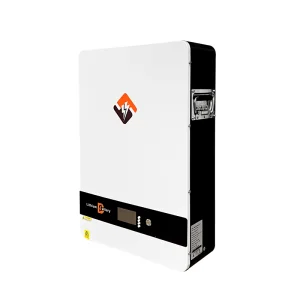
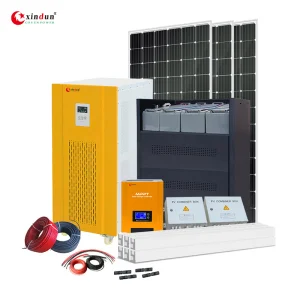
High-performance energy storage systems, smart meters, weather indicators, and monitoring hardware for C&I projects in Nepal.
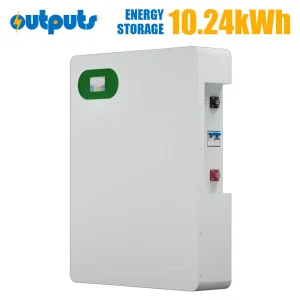
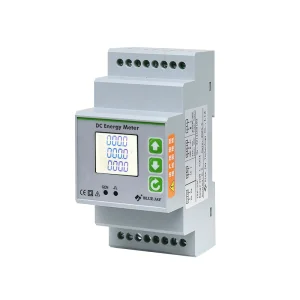


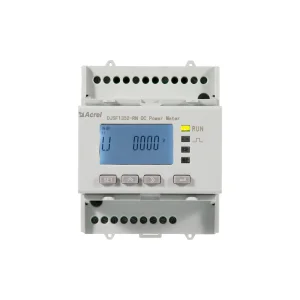
Deploying commercial solar installations in Nepal requires navigating specific regulatory guidelines set by the Alternative Energy Promotion Centre (AEPC) and the Nepal Electricity Authority (NEA). Net metering is permitted only for systems meeting strict requirements regarding safety, grid isolation (anti-islanding), and power quality (distortion limits).
Our solar monitoring devices and smart bi-directional meters feature built-in auto-disconnection parameters, preventing solar systems from feeding current back to the grid during standard maintenance-related grid failures. The Modbus registers are mapped for ease of integration with SCADA networks, helping local Nepalese engineers achieve prompt grid synchronization approvals.
Get clarity on the technical integration, compatibility, and cost-benefit ratios of commercial solar monitoring in Nepal.
Ningbo FLare Solar Co., Ltd. is a leading innovator in the solar energy industry, specializing in advanced solar street lights, smart IoT solutions, and LED energy-efficient systems. Headquartered in Ningbo, China, the company has established a strong reputation for delivering high-quality, reliable, and sustainable solar solutions to urban, commercial, and residential clients worldwide. Under its flagship brand, ApexSolar, Ningbo FLare Solar focuses on integrating cutting-edge technology with eco-friendly design to meet the growing demand for smart and energy-efficient lighting solutions.
The company’s product portfolio includes solar street lights equipped with IoT-enabled monitoring systems, high-performance LED modules, and durable battery storage solutions. These innovations ensure long-lasting illumination, intelligent energy management, and remote monitoring capabilities, making city infrastructure safer and more sustainable. In addition, Ningbo FLare Solar develops off-grid and hybrid solar pump systems for agriculture and water management, combining efficiency, reliability, and cost-effectiveness.
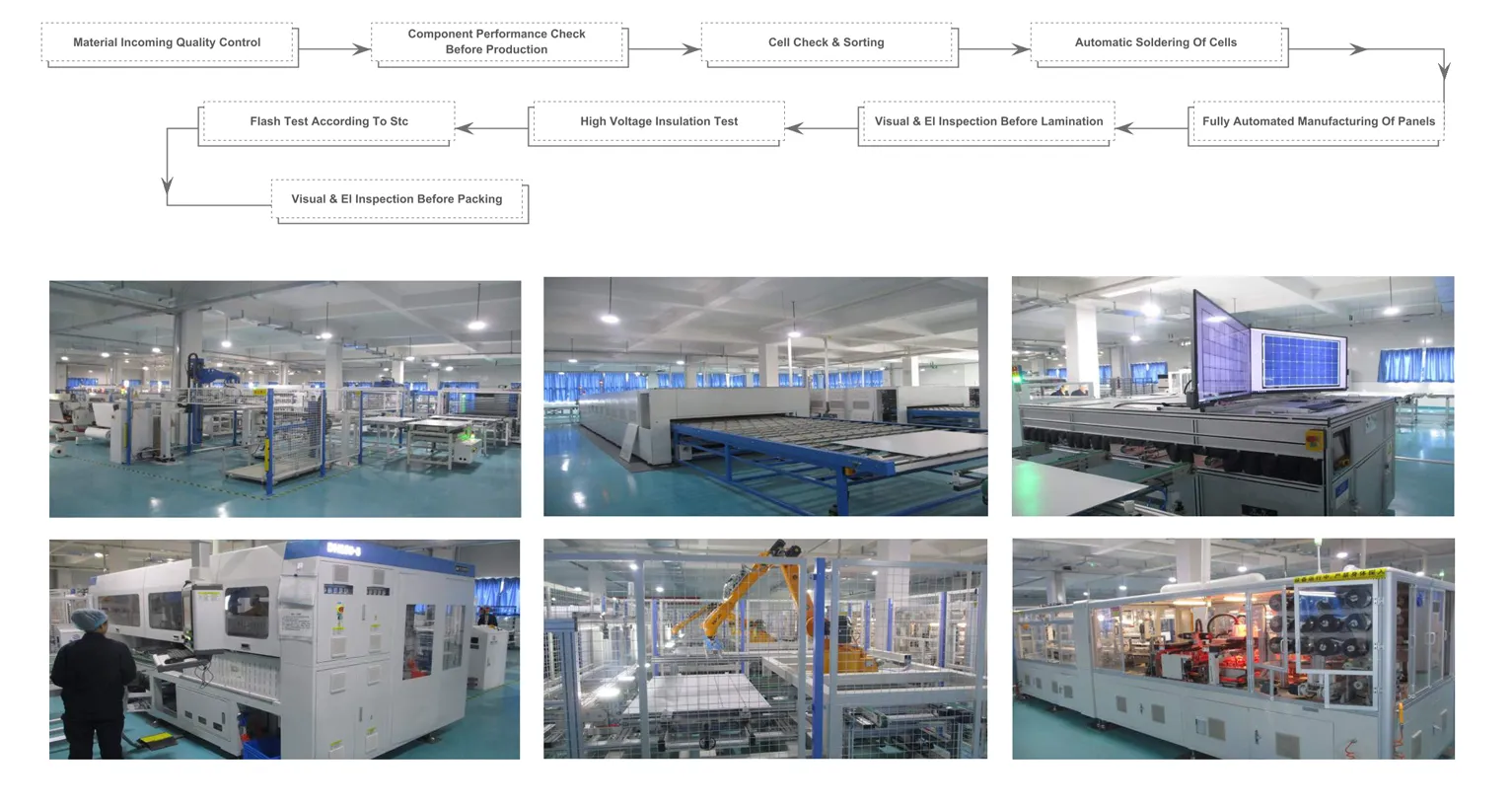
With a dedicated research and development team, stringent quality control standards, and commitment to sustainability, Ningbo FLare Solar Co., Ltd. continually advances solar technology. The company collaborates with global partners, distributors, and municipalities to deliver tailored solutions that reduce energy consumption and environmental impact. By merging innovation, smart design, and ecological responsibility, Ningbo FLare Solar Co., Ltd. is redefining urban lighting and renewable energy solutions, empowering communities with intelligent, efficient, and environmentally friendly solar systems.
 FLare Solar