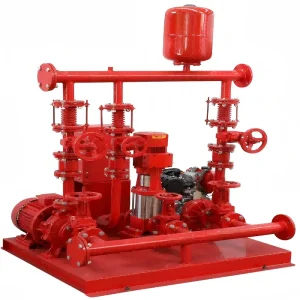
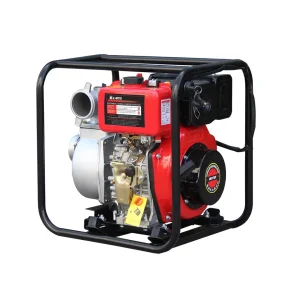
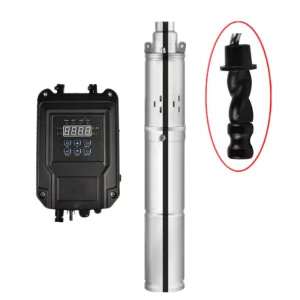
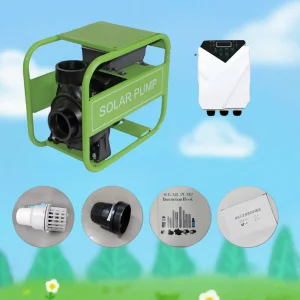
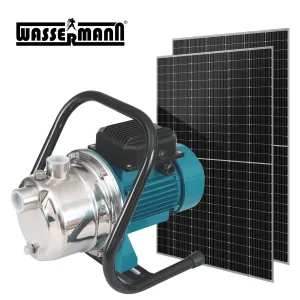
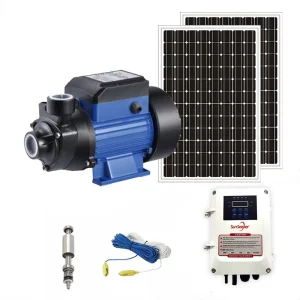
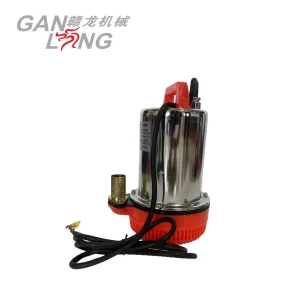
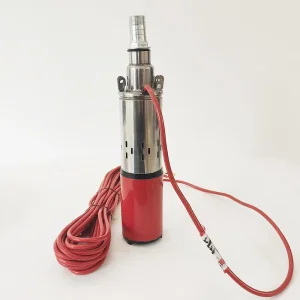
Engineered for high durability and immediate deployment across Congolese agricultural, municipal, and residential sites.
Analyzing the energy-water landscape of sub-Saharan Africa's largest country and the strategic shift to off-grid solar infrastructure.
The Democratic Republic of Congo (DR Congo) possesses massive economic potential, with vast arable land and rich mineral resources spanning Katanga, Lualaba, and Kivu. However, a major bottleneck hindering industrial, agricultural, and urban development is the critical deficit in grid electricity. The national utility provider, Société Nationale d'Électricité (SNEL), primarily services major urban hubs and mining concessions, leaving over 85% of the rural and peri-urban population without access to reliable power.
Consequently, access to water resources remains dependent on expensive diesel generators. In provinces such as Kongo Central and Kivu, where agricultural productivity is vital for local food security, the cost of diesel fuel significantly diminishes the profit margins of smallholder cooperatives and commercial growers alike. This is where portable solar pumps present a transformative technological intervention.
By bypassing the grid and diesel supply chains, portable solar water pumping systems offer a self-sustaining, zero-emission mechanism. They allow local mining camps, agricultural centers, and municipal authorities to secure reliable water extraction directly from groundwater wells, rivers, and boreholes.
What international EPC contractors, NGOs, and mining procurers demand when sourcing solar pumping equipment for Central Africa.
Global procurement teams favor manufacturers that prioritize Brushless DC (BLDC) motors and MPPT controllers. These components reduce maintenance overheads, offering a faster ROI compared to traditional AC motor configurations.
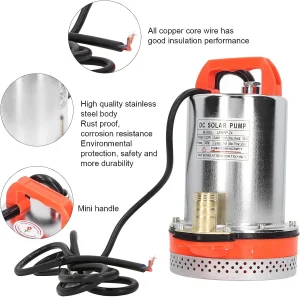
DR Congo presents micro-climates ranging from dense tropical rainforests with near 100% humidity to high-altitude, dusty mining operations in Kolwezi. Pumps must feature rugged sand-resistant mechanisms, 304/316 stainless steel housings, and thermal overload protection.
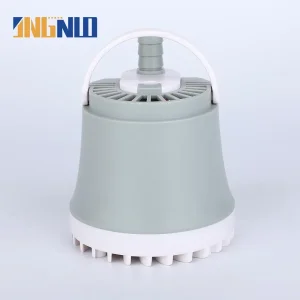
Given the logistical hurdles of transporting heavy machinery over vast land stretches in provinces like Équateur and Tshopo, lightweight, high-performance portable solar pumps that can be easily transported by light trucks or local transport are highly sought after.
In response to these procurement trends, leading manufacturers are shifting from selling standalone hardware to providing comprehensive utility packages. For instance, in agricultural centers like Kasangulu (Kongo Central), farmers utilize portable solar pumps integrated with drip-irrigation kits. This combination ensures precise water application, reduces evaporation, and optimizes solar yield during peak sun hours.
In the mining sectors of Lualaba and Haut-Katanga, portable solar pumps are routinely deployed for localized dewatering projects, dust suppression at transport corridors, and providing potable water to worker encampments. Because these pumps run independently of the mine's main power distribution network, they serve as critical failsafes during central grid load shedding.
Empowering global infrastructure through innovative solar engineering, under our premier brand, ApexSolar.
Ningbo FLare Solar Co., Ltd. is a leading innovator in the solar energy industry, specializing in advanced solar street lights, smart IoT solutions, and LED energy-efficient systems. Headquartered in Ningbo, China, the company has established a strong reputation for delivering high-quality, reliable, and sustainable solar solutions to urban, commercial, and residential clients worldwide. Under its flagship brand, ApexSolar, Ningbo FLare Solar focuses on integrating cutting-edge technology with eco-friendly design to meet the growing demand for smart and energy-efficient lighting solutions.
The company’s product portfolio includes solar street lights equipped with IoT-enabled monitoring systems, high-performance LED modules, and durable battery storage solutions. These innovations ensure long-lasting illumination, intelligent energy management, and remote monitoring capabilities, making city infrastructure safer and more sustainable. In addition, Ningbo FLare Solar develops off-grid and hybrid solar pump systems for agriculture and water management, combining efficiency, reliability, and cost-effectiveness.
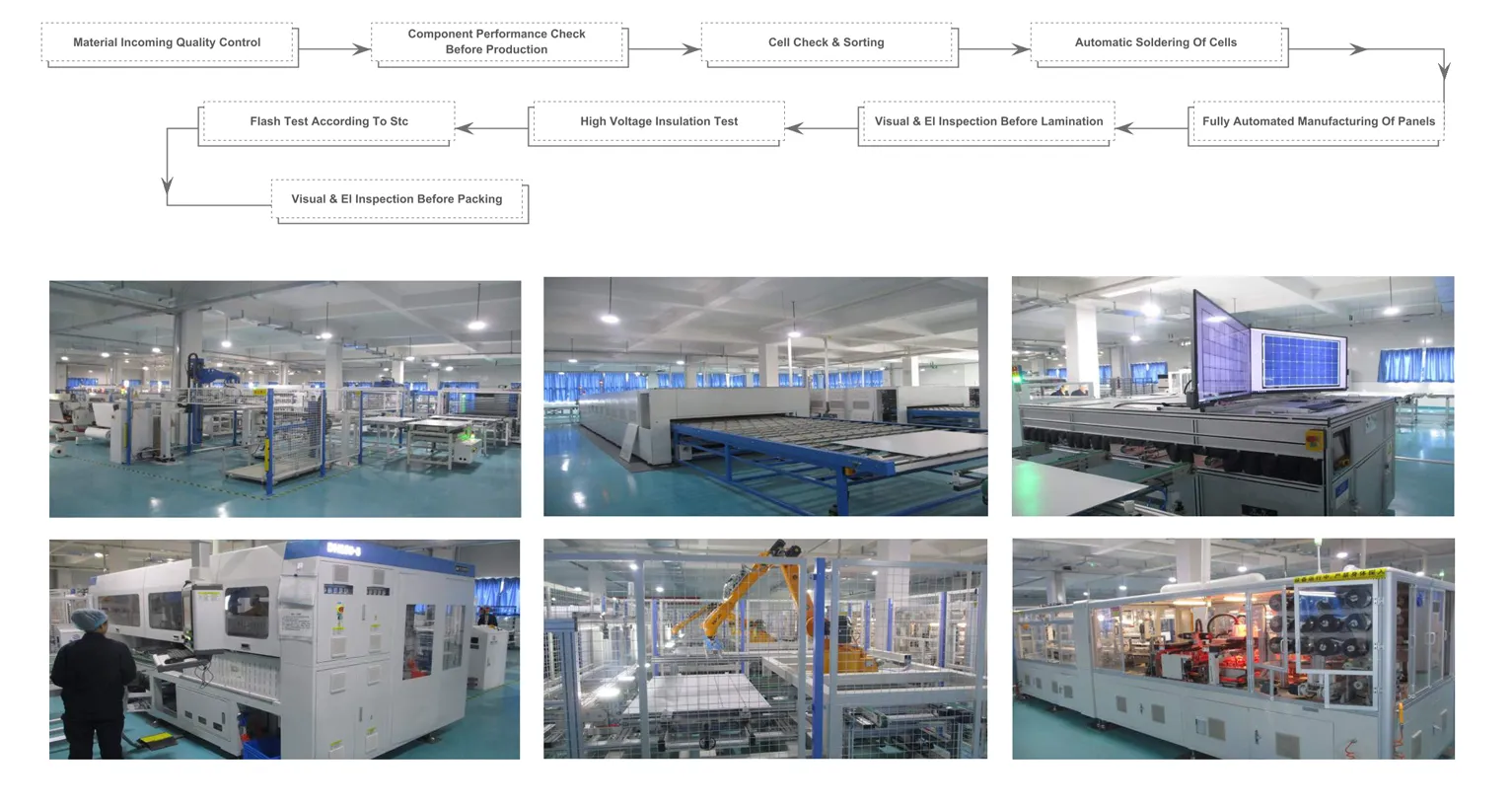
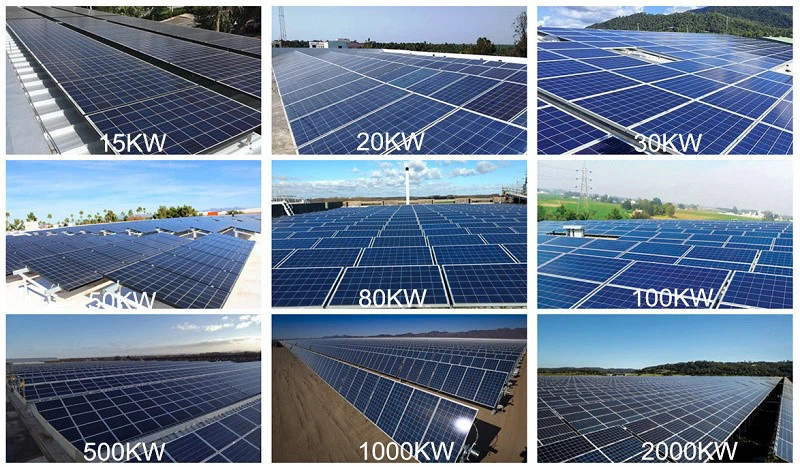
With a dedicated research and development team, stringent quality control standards, and a firm commitment to sustainability, Ningbo FLare Solar Co., Ltd. continually advances solar technology. The company collaborates with global partners, distributors, and municipalities to deliver tailored solutions that reduce energy consumption and environmental impact.
By merging innovation, smart design, and ecological responsibility, Ningbo FLare Solar Co., Ltd. is redefining urban lighting and renewable energy solutions, empowering communities with intelligent, efficient, and environmentally friendly solar systems.
The evolution of solar pumping: from simple mechanical water lifters to intelligent IoT-enabled fluid management networks.
Traditional AC motor pumps require external, bulky inverters to transform solar DC electricity into three-phase AC power. The current industrial trend is moving rapidly toward brushless DC motor architectures. Because BLDC motors run directly on DC power generated by solar PV panels, they exhibit significantly higher efficiency profiles (typically 15-20% higher than equivalent AC motors). This efficiency allows for smaller solar arrays, significantly reducing overall logistics and installation costs in remote parts of DR Congo.
Sunlight is dynamic, changing throughout the day due to cloud cover, especially during the Congolese rainy season. Advanced Maximum Power Point Tracking (MPPT) algorithms dynamically adjust the motor frequency of the pump to match the peak electrical output of the solar panels. When solar radiation drop, the pump continues to operate at a lower RPM rather than shutting down entirely, ensuring constant water flow.
For large-scale agricultural projects and mining camps, remote monitoring is crucial. Next-generation systems integrate GSM or satellite-based IoT modems. Operations managers located in Kinshasa or Lubumbashi can monitor flow rates, check well water depth levels, and receive dry-run alerts in real time through mobile applications or desktop web portals.
Our engineering team can size solar arrays, calculate total dynamic head requirements, and recommend the exact pump models for your specific geographic coordinate.
Request Free Design & ConsultationNavigating the complex regulatory, testing, and logistical environments of the DRC import market.
Any machinery entering the DR Congo, including solar water pumps, solar modules, and electrical hardware, must adhere to strict OCC compliance regulations. This process requires pre-shipment inspections in the country of origin to verify technical parameters, safety certificates, and manufacturing standards. Ningbo FLare Solar works closely with SGS and Bureau Veritas to handle these inspections, ensuring a smooth customs clearance process at major entry points such as Matadi Port or Goma.
Inland logistics in provinces such as Kasai, Maniema, or Mongala present extreme transport conditions. Paved roads are rare, and equipment is subject to intense vibration and shocks. All ApexSolar pumps destined for DR Congo are packed in reinforced, moisture-sealed export wooden crates or heavy-duty cartons, mitigating potential shipping damage.
To ensure long-term system reliability, local maintenance technicians must understand how to clean solar arrays, reset controllers, and inspect pump intakes. We provide localized documentation, video manuals, and remote technical support to distributors and NGO logistics officers operating across central and southern Africa.
Addressing the technical, economic, and logistical questions most frequently asked by engineers and procurement professionals in Central Africa.
Complete product range for household, agricultural, and commercial applications in DR Congo.
Connect directly with our engineering and logistics department in China to receive custom configurations, container load optimization, and OCC compliance verification for the DR Congo market.
Send Inquiry Now FLare Solar