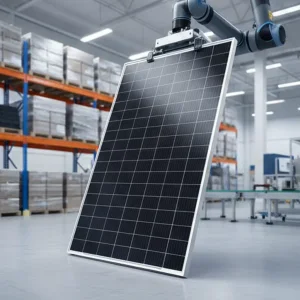
Pioneering hardware solutions from modern PV component modules to smart automated battery assembly lines.
In an era defined by macro-economic volatility, intensifying climate events, and rising carbon prices, reliance on centralized utilities presents a substantial business risk. The transition toward a solar microgrid system is not merely an environmental trend; it is a calculated capital expenditure strategy for security, independence, and cost-containment. Microgrids are local energy grids that can operate independently when disconnected from the utility grid, ensuring uninterrupted operation in vital infrastructures.
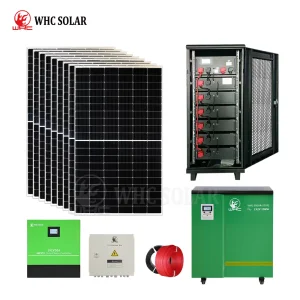
Modern architectures utilize localized PV solar generation, smart battery storage systems (BESS), and digital energy management systems (EMS) to balance local load requirements dynamically. In remote off-grid locations, a robust solar microgrid eliminates fuel logistics for diesel gensets. In grid-connected commercial and industrial settings, it facilitates peak-shaving, load-shifting, and demand-response capabilities. Our manufacturing systems ensure complete hardware integration, enabling end-to-end reliability from the solar module down to the battery pack.
The global demand for microgrids is undergoing a structural shift. Historically restricted to remote military outposts or off-grid field clinics, the solar microgrid system is now standard configuration for modern C&I facilities. Factors driving this transition include:
Utility companies charge heavily for peak usage periods. Integrated energy systems store power during low-rate windows or generate it on-site, using stored energy during peak hours to drastically cut utility costs.
Unscheduled blackouts damage heavy manufacturing machinery. Modern microgrids feature seamless transition mechanisms that switch to BESS power within milliseconds, avoiding production downtime.
National mandates, carbon border tariffs, and ESG compliance regulations dictate that manufacturers reduce Scope 1 and Scope 2 emissions. Utilizing a microgrid solar infrastructure establishes verifiable green operations.
As a solar energy pioneer, Ningbo FLare Solar Co., Ltd. develops systems designed to address these complex needs. Our flagship brand, ApexSolar, incorporates intelligent off-grid, hybrid, and IoT-enabled solutions, addressing both structural lighting requirements and larger, heavy-duty industrial pump and energy requirements.
Understanding system topology is critical to sizing a solar microgrid system. The three primary electrical topologies employed in C&I microgrids exhibit unique characteristics suited for distinct operational needs.
| Topology | Core Components | Primary Strengths | Ideal Application |
|---|---|---|---|
| DC-Coupled Architecture | DC Solar Arrays, MPPT Charge Controllers, DC Battery Storage, Common Inverter System | High round-trip efficiency, simplified battery charging cycle, lower installation footprint. | Dedicated BESS systems, remote telecommunication towers, off-grid storage focus. |
| AC-Coupled Architecture | Grid-tie PV Inverter, Bi-directional Battery Inverters, Distributed Storage Banks | Highly modular, easily retrofitted into existing commercial facilities, robust flexibility. | Retrofitting existing operational factories, large-scale commercial rooftop solar. |
| Hybrid Topology | Multi-port Hybrid Inverters, AC & DC bus distribution, integrated backup generator control | Maximum control redundancy, optimized for fluctuating grid connections and backup diesel generators. | Critical infrastructure, hospital facilities, smart agricultural farms, weak-grid zones. |
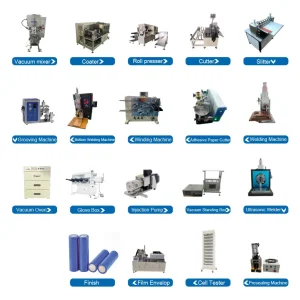
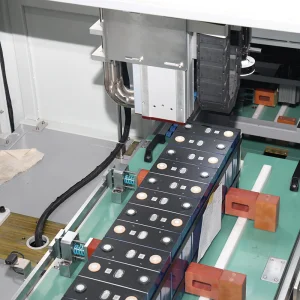
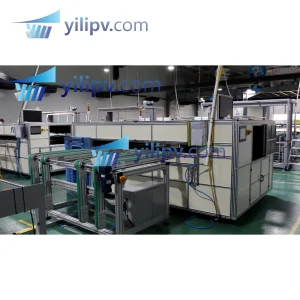
At the heart of the microgrid system is the battery. Modern requirements mandate Lithium Iron Phosphate (LiFePO4/LFP) chemistry due to its thermal stability, chemical safety, and 6,000+ cycle lifespan. To support this demand, our factory develops automated lithium battery assembly and prismatic cell production machinery. This enables client-side modular assembly of energy storage systems, reducing tariff and shipping costs while establishing regional battery pack manufacturing lines.
A solar microgrid is not a one-size-fits-all product. It must adapt to the geographical, meteorological, and economic constraints of the deployment region. Below are the key applications where our integrated technologies deliver significant gains.
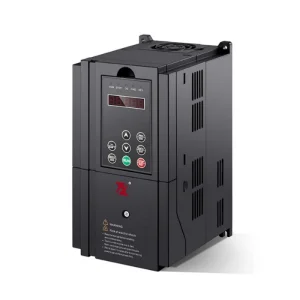
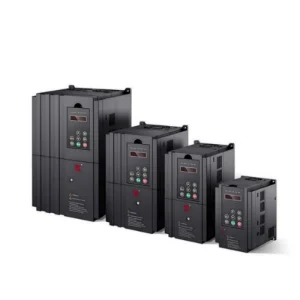
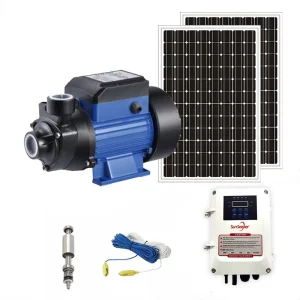
Traditional farming relies on unpredictable grid access or expensive diesel fuel for water management. Our solutions incorporate the Folinn Custom 3-Phase PV Solar Pump Inverter, driving heavy-duty agricultural water pumps directly from solar arrays. This creates a self-sustaining irrigation loop independent of the regional electrical grid.
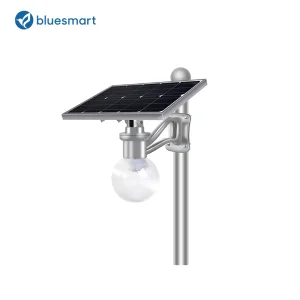
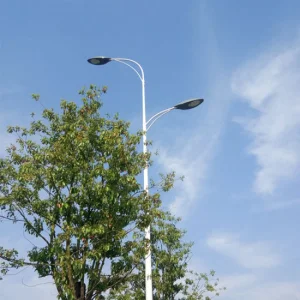
Smart cities use localized microgrid concepts to power public spaces and municipal services. Leveraging our advanced solar street lights, integrated IoT monitoring hubs, and durable battery storage, cities can maintain active safety illumination and communication networks during regional grid emergencies.
Industrial factories demand continuous energy supply. Implementing high-efficiency, multi-phase industrial solar inverters coupled with multi-megawatt battery systems allows factories to transition seamlessly from grid-tied operations to island mode, preventing equipment fatigue and material wastage.
Ningbo FLare Solar Co., Ltd. is a leading innovator in the solar energy industry, specializing in advanced solar street lights, smart IoT solutions, and LED energy-efficient systems. Headquartered in Ningbo, China, the company has established a strong reputation for delivering high-quality, reliable, and sustainable solar solutions to urban, commercial, and residential clients worldwide. Under its flagship brand, ApexSolar, Ningbo FLare Solar focuses on integrating cutting-edge technology with eco-friendly design to meet the growing demand for smart and energy-efficient lighting solutions.
By combining robust R&D with stringent quality controls, our enterprise delivers scalable, turnkey solutions to simplify the transition to renewable energy. Our design philosophy centers on maximizing efficiency and durability under harsh outdoor, industrial, and coastal settings.
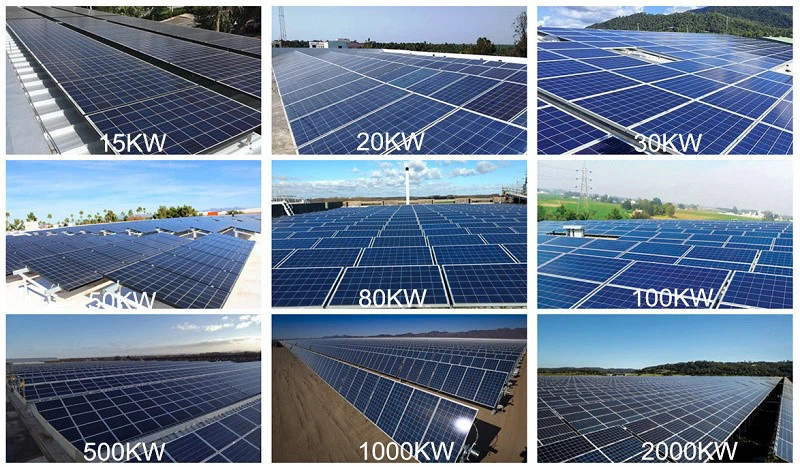
The company’s product portfolio includes solar street lights equipped with IoT-enabled monitoring systems, high-performance LED modules, and durable battery storage solutions. These innovations ensure long-lasting illumination, intelligent energy management, and remote monitoring capabilities, making city infrastructure safer and more sustainable. In addition, Ningbo FLare Solar develops off-grid and hybrid solar pump systems for agriculture and water management, combining efficiency, reliability, and cost-effectiveness.
With a dedicated research and development team, stringent quality control standards, and commitment to sustainability, Ningbo FLare Solar Co., Ltd. continually advances solar technology. The company collaborates with global partners, distributors, and municipalities to deliver tailored solutions that reduce energy consumption and environmental impact.
By merging innovation, smart design, and ecological responsibility, Ningbo FLare Solar Co., Ltd. is redefining urban lighting and renewable energy solutions, empowering communities with intelligent, efficient, and environmentally friendly solar systems.
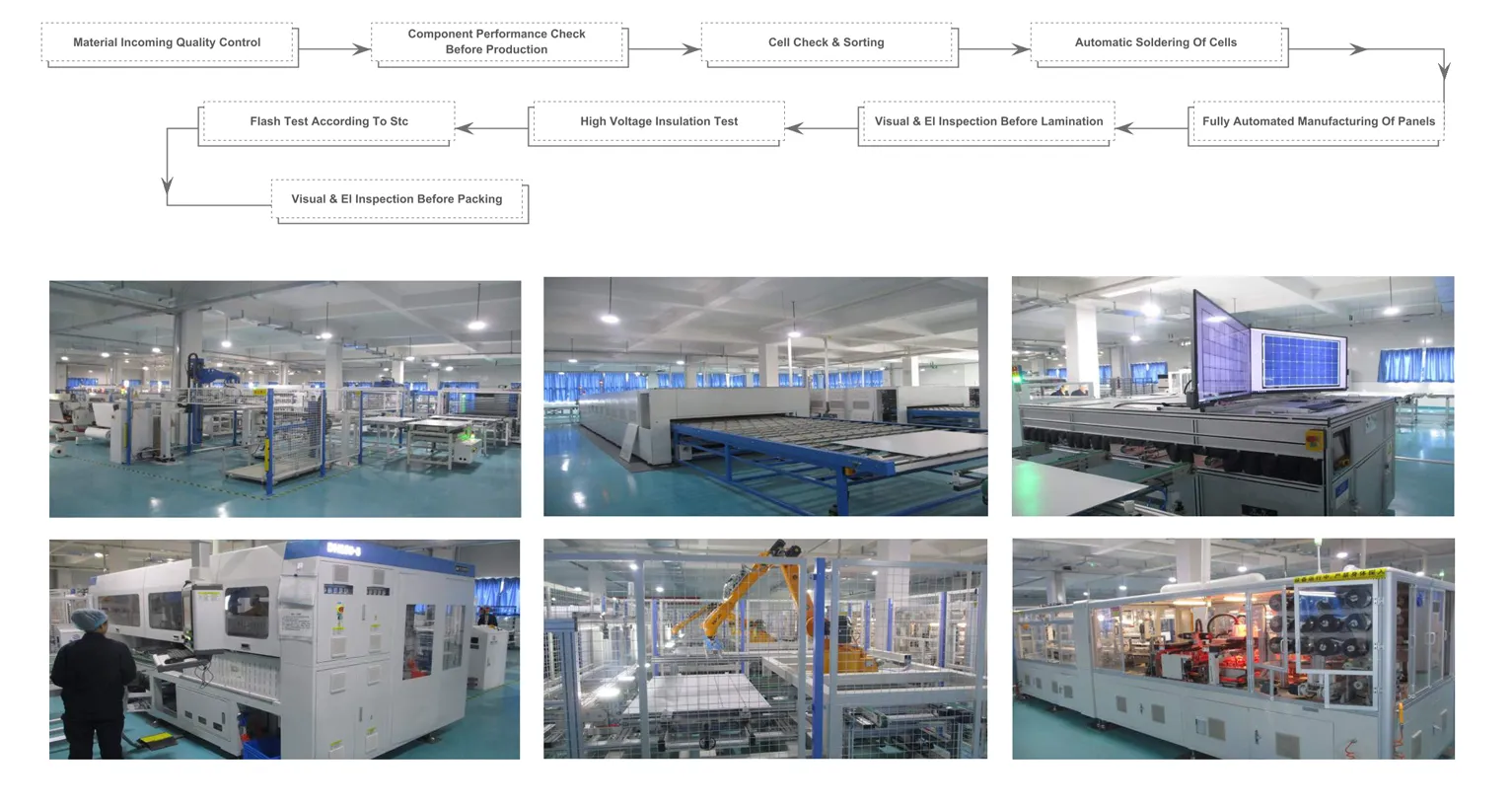
Manufacturing solar microgrid systems requires a comprehensive network of specialized materials, precise subcomponents, and robust logistics. Sourcing from our automated facility in Ningbo, China, provides distinct strategic advantages:
Microgrids interface directly with public utility networks and high-voltage commercial loads, making safety and compliance top priorities. Our manufacturing processes adhere to strict international standards to ensure reliability.
Our testing procedures include thermal chamber profiling, high-voltage insulation tests, environmental salt-mist chamber trials (critical for tropical and coastal regions), and multi-cycle battery charge/discharge certifications. Our components are certified to international electrical standards, including:
Validates the safety, thermal insulation, and grid-connection compliance of our hybrid PV and battery inverters, ensuring grid stability in utility-connected states.
Ensures our battery modules, containerized storage designs, and battery production line machinery meet strict fire protection, containment, and transport safety protocols.
Ensures our outdoor system enclosures, connection junction boxes, and solar components remain dust-tight and resistant to rain, ice, and corrosive coastal salt mist.
Common questions regarding system sizing, integration, deployment, and manufacturing.
Grid-tied solar systems rely directly on the utility grid. If the grid suffers an outage, grid-tied inverters automatically shut down for safety. A solar microgrid system features an independent controller and energy storage. It can operate in islanded mode, disconnecting from the utility grid during outages to power local loads without interruption.
The Folinn 3-Phase PV Solar Pump Inverter acts as a dedicated driver. It converts direct current (DC) from solar arrays directly into 3-phase alternating current (AC) to power water pumps. It features Maximum Power Point Tracking (MPPT) to adjust pump speed dynamically based on sunlight conditions, eliminating the need for battery banks and reducing operational costs.
Yes, our automated cylindrical 18650 lithium battery production and prismatic cell assembly lines are designed for industrial scale. By setting up these lines, local developers and partners can source cells and assemble modules in-country. This can help bypass import duties, reduce freight costs, and satisfy local content requirements.
The EMS acts as the central control unit. It monitors real-time solar generation, battery state of charge (SoC), and load requirements. The EMS automatically decides when to store energy, when to support the grid, and when to start backup generators, optimizing system performance and longevity.
Solar panels (such as Jinko, Longi, or Trina modules) carry a 25-year performance warranty. Our LFP battery modules are designed for 6,000 charge cycles, which is approximately 15 years of daily cycling. Inverters and control systems typically offer a service life of 10 to 12 years with routine maintenance.
An automated transfer switch (ATS) detects voltage dropouts within milliseconds. It isolate the site's electrical network from the utility grid and initiates energy delivery from the battery bank, avoiding interruption to critical facility operations.
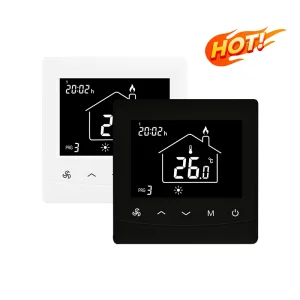
Yes, our control architectures support popular communication protocols, such as Tuya WiFi, Modbus, and CAN bus. This allows users to integrate heating, ventilation, and air conditioning (HVAC) systems or smart room thermostats directly into the microgrid's management system.
We evaluate your annual consumption curves, peak load demands, utility tariff structures, and local weather patterns. Our engineering team then sizes the solar array, battery capacity (kWh), and inverter ratings (kW) to optimize cost-efficiency and system performance.
Complementary components, automated production line options, and mounting systems for your project.
 FLare Solar