Pioneering green energy architectures optimized for robust municipal infrastructure and industrial deployment.
The landscape of municipal illumination is undergoing a profound paradigm shift. As smart cities transition from centralized energy grids to localized, autonomous systems, the demand for highly reliable, easily serviceable, and CE Certified Modular Solar Street Lights has surged. Traditional solar lighting configurations—often characterized by monolithic, integrated setups—suffer from severe operational bottlenecks. When a single component, such as an LED driver or a charge controller, undergoes failure, the entire fixture must be decommissioned for maintenance. This increases operational expenditure (OPEX) and creates prolonged dark-out periods that compromise public safety.
Conversely, modular solar street lights divide the system into distinct, self-contained functional blocks: the photovoltaic power generator, the energy storage housing (typically integrating a Lithium Iron Phosphate battery, or LiFePO4), the LED optical engine, and the intelligent control module. By decoupling these components, engineering teams can configure, scale, and replace separate parts without disturbing the rest of the ecosystem.
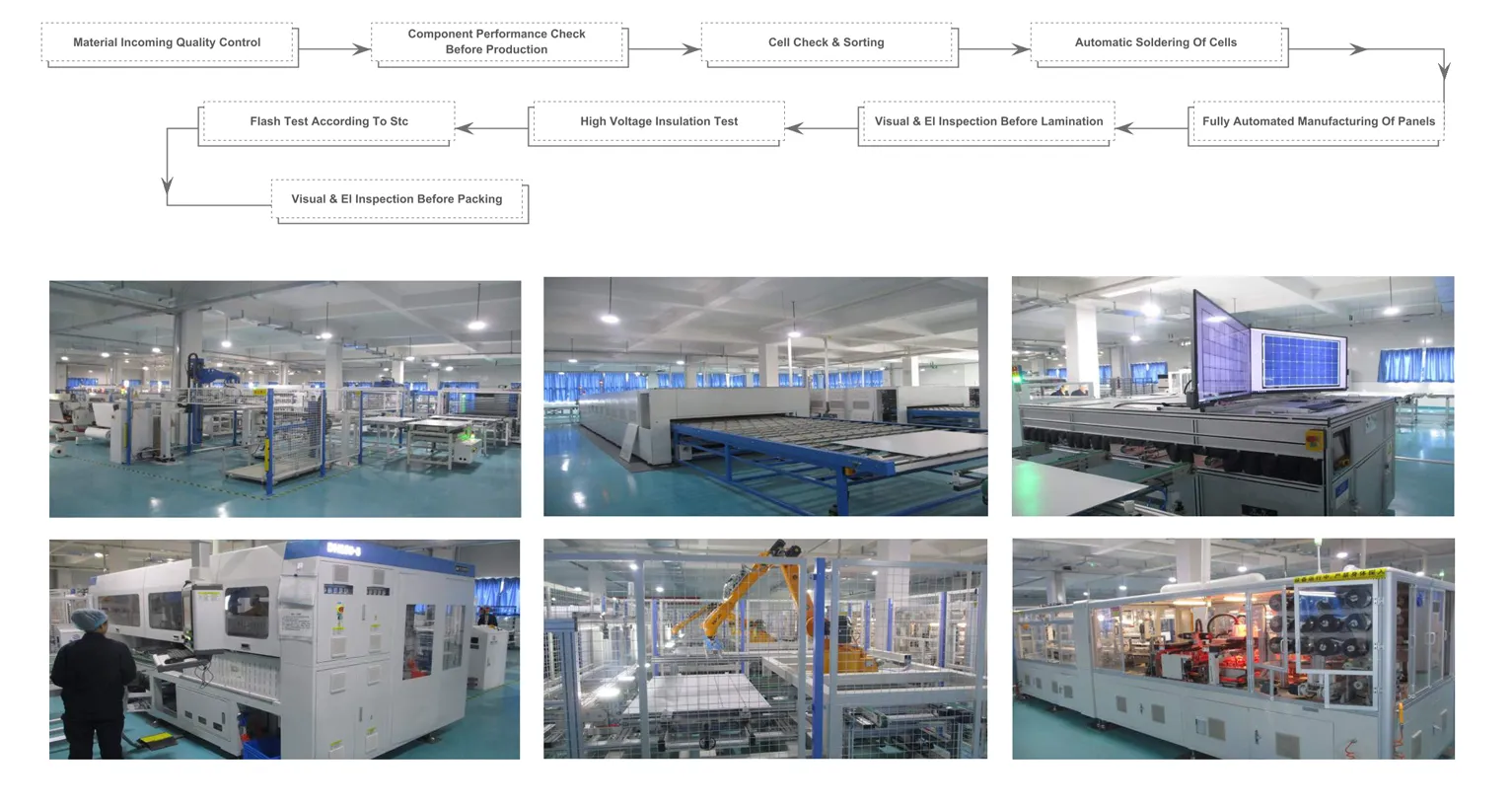
Ningbo FLare Solar Co., Ltd., operating under its premier brand ApexSolar, represents the pinnacle of solar engineering. Located in the manufacturing hub of Ningbo, China, the firm specializes in translating complex mechanical designs into scalable lighting and power assets.
Our core mission revolves around addressing critical system integration issues, combining IoT communications (such as LoRaWAN and NB-IoT) with robust mechanical casings capable of enduring extreme environmental stress.
To assist municipal buyers and industrial project managers in evaluating their options, we have compiled the comparative design matrix below:
| Performance Criterion | Monolithic All-in-One (AIO) Systems | Modular Split/Decoupled Systems |
|---|---|---|
| Thermal Dissipation Profile | Poor. Heat from LEDs radiates directly to the lithium cell housing. | Excellent. LED and Battery chambers are physically separated. |
| Mean Time to Repair (MTTR) | High. Requires complete replacement of the fixture. | Low. Plug-and-play components can be swapped in under 10 minutes. |
| Wind Load Resistance | Fixed aerodynamic profile. Poor adaptability to high-wind zones. | Adjustable configurations; optimized tilt angles minimize drag. |
| Scalability & Upgrades | Impossible. Upgrades require scrapping the entire unit. | Highly scalable. Photovoltaic panel or battery pack capacity can be altered independently. |
| CE Compliance Rigor | Single certificate covering fixed operational parameters. | Component-level and system-level compliance, assuring lower EMC interference. |
Urban environments vary drastically from one continent to another. A solar lighting solution deployed in the arid regions of the Middle East faces entirely different degradation mechanisms compared to one installed in the high-latitude coastal zones of Northern Europe.
In regions like the GCC or North Africa, ambient temperatures can exceed 50°C, and sandstorms deposit fine layers of dust on photovoltaic modules. Modular systems utilize specialized MPPT controllers featuring intelligent thermal throttling, which modulates charging output current as temperature thresholds are crossed to prevent battery thermal runaway.
Coastal deployment introduces salt spray that corrodes standard aluminum housings. CE Certified Modular Solar Street Lights by ApexSolar employ AL6063-T6 marine-grade extruded aluminum coated with electrostatic powder finishes rated to withstand ISO 9227 salt spray testing for over 1000 hours, keeping your installation structurally sound.
In Northern Europe and North America, winter sunlight is limited and temperatures fall below freezing, inhibiting standard lithium-ion charging. Modular lights overcome this via built-in thermosensitive heating blankets wrapped around the LiFePO4 cells, routing panel power to warm the core prior to initiating charge cycles.
The modular layout allows designers to specify high-efficiency monocrystalline PV panels of varying physical dimensions. This custom tailoring prevents system undersizing—a common pitfall where lights fail to run through consecutive overcast days, known in the solar engineering sector as "autonomy-day depletion".
The performance of modular solar lighting relies on the stability of its supply chain. Headquartered in Ningbo, a major deep-water shipping and manufacturing hub on China's east coast, Ningbo FLare Solar Co., Ltd. leverages a highly integrated industrial network.
Our manufacturing processes are vertically integrated, spanning raw raw material inspection, precision metal die-casting, automated optical assembly, and environmental stress chamber testing.
By consolidating operations within our modern Ningbo facilities, ApexSolar guarantees traceability and control over component sourcing, ensuring that everything from the PV frame to the copper wiring meets strict ISO standards.
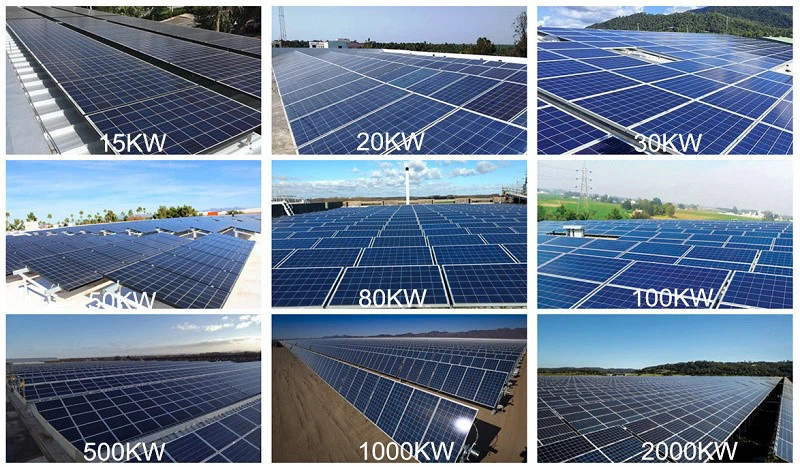
Ningbo Flare Solar Co., Ltd.'s strategic localization allows us to source raw materials, silicon cells, microprocessors, and optics from primary manufacturers nearby. This concentration reduces transportation overhead and insulates clients from geopolitical shipping volatility. Additionally, our near-port positioning ensures streamlined logistical workflows, lowering overall export transit times for international projects.
As we look toward future municipal lighting contracts, our R&D roadmap focuses on pushing the limits of power density and smart integrations:
| Feature Set | Current Generation Specifications | Next-Generation Roadmap (2025-2027) |
|---|---|---|
| Luminous Efficacy | 180 lm/W to 210 lm/W (Standard Cree/Lumileds Chips) | 230 lm/W to 250 lm/W (Advanced Quantum Dot LEDs) |
| Smart Network Integration | NB-IoT, LoRaWAN, Zigbee, GPRS | 5G Micro-Cell Integration & V2X Infrastructure Nodes |
| Battery Chemistry | Lithium Iron Phosphate (LiFePO4) - 3000-6000 cycles | Solid-State Lithium Batteries (10,000+ cycles, cold-hardy) |
| Controller Efficiency | MPPT Tracking Efficiency >99.2% | AI-driven Predictive MPPT with weather forecast adaptation |
Securing international bidding contracts requires rigorous certification and compliance. For European markets and globally aligned municipal codes, a CE Certification is not just a stamp—it is proof of electrical safety, electromagnetic compatibility, and ecological responsibility.
The CE Mark encompasses multiple European directives:
This level of oversight provides developers and municipal partners with the peace of mind that their infrastructure investments will remain safe and operational for years to come.
Answering key technical queries and design standards for solar installation planners.
Complementary products and components supporting off-grid municipal configurations and system integrations.
 FLare Solar