7 Tips Why Solar Pumps Are Better for Remote Areas?

Time:2026-10-01 Author:Madeline
0%

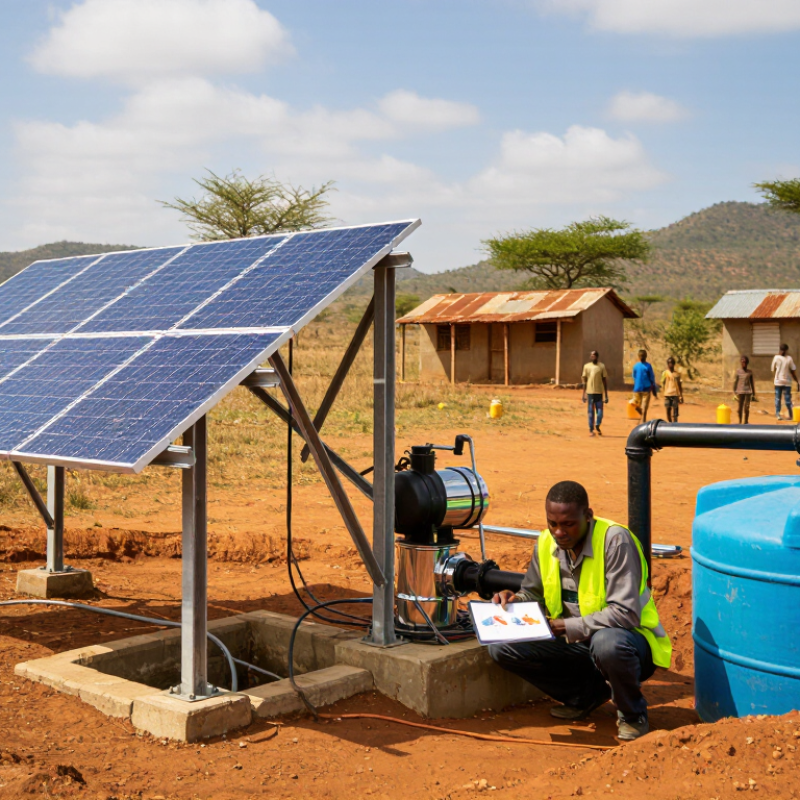
In remote communities, water access can depend on a narrow dirt road, a fuel delivery, or a small generator. When that delivery fails, families may wait beside a dry storage tank. These conditions explain why solar pumps are better for remote areas in many practical situations. They use sunlight instead of diesel, reducing fuel transport, storage risks, and daily operating costs. A well-sized system can lift water from a borehole to a tank during daylight hours. The tank then provides a simple reserve after sunset.

Field experience shows that reliability involves more than installing panels and a pump. Dust can cover the modules. Cloudy weather can reduce output. A damaged cable may stop the entire system. These details make correct sizing, safe wiring, filtration, and routine inspections essential. Local technicians should understand the pump controller and keep basic replacement parts nearby. Professional water testing also matters, because a strong pump cannot solve contaminated groundwater.

The seven tips in this guide focus on decisions that often determine long-term performance. They address water demand, borehole depth, solar exposure, storage capacity, maintenance, and community training. They also consider the system’s limits. Solar pumping is not automatically the cheapest option for every site. Batteries may add cost and maintenance, while seasonal water levels can change unexpectedly. A careful assessment is better than a confident guess. With realistic planning and measurable monitoring, solar pumps can provide cleaner, quieter, and more dependable water service in places where conventional infrastructure remains difficult to maintain.

7 Tips Why Solar Pumps Are Better for Remote Areas?

Solar Pump Basics for Remote Area Water Supply

Solar pump basics matter in remote water supply.

A solar pump uses photovoltaic panels, a controller, a pump, pipes, and storage. It can lift groundwater without diesel deliveries or a permanent grid connection.

The WHO and UNICEF Joint Monitoring Programme reported that 2.2 billion people lacked safely managed drinking water in 2022. Remote communities remain heavily affected.

Tip 1: Test the water source first. Measure depth, seasonal yield, and water quality before choosing equipment.

Tip 2: Size the pump for daily demand, not peak optimism. A village may need water for drinking, livestock, and hygiene.

Tip 3: Add storage. Water tanks can provide supply during cloudy hours. Solar pumping is not magic.

Tip 4: Use a simple controller and protected wiring. Dust, lightning, and animals can damage exposed components.

Tip 5: Plan maintenance locally. Keep spare fuses, connectors, and basic tools near the pump.

IRENA reported that solar photovoltaic electricity costs fell by 89% from 2010 to 2022, but installation and transport can still be expensive in isolated regions.

Tip 6: Compare lifecycle costs, not only purchase prices.

Tip 7: Train a local operator to record flow, faults, and water levels.

The World Bank’s ESMAP emphasizes that sustainable water systems need reliable management, financing, and maintenance. A design may work technically, yet fail socially. Tank size, user habits, and groundwater recharge deserve regular review.

Reliable Water Access Without Grid Electricity

7 Tips Why Solar Pumps Are Better for Remote Areas?

Reliable Water Access Without Grid Electricity

Remote communities often face long distances, weak roads, and unreliable electricity. A correctly designed solar pump can draw water during daylight without fuel deliveries or grid connections. In field projects, this reduces operating interruptions and simplifies daily water collection.

Tip 1: Match the pump to the well depth and daily demand. An oversized system wastes money, while an undersized one leaves storage tanks empty.

Tip 2: Add sufficient water storage. Sunlight changes, but household needs continue.

Tip 3: Use elevated tanks when possible. Gravity can supply taps after sunset.

Tip 4: Choose durable, serviceable components. Dust, heat, and mineral deposits can shorten equipment life. Local technicians should understand basic wiring, filters, valves, and pump controls.

Tip 5: Plan seasonal performance. Cloudy weeks may reduce output, so a larger tank or backup arrangement can improve reliability. It is not perfect.

Tip 6: Protect the panels and control equipment. A locked frame, proper grounding, and regular cleaning help prevent avoidable failures.

Tip 7: Monitor water levels and pump performance. A simple maintenance log can reveal falling output before the system stops. Good design needs local knowledge, not assumptions. In some areas, groundwater may also decline, making professional site assessment essential.

Lower Operating Costs and Simple Maintenance

Tip 1: Remove fuel logistics. In remote areas, diesel may arrive by boat, truck, or motorcycle. Solar pumps use sunlight instead. IRENA’s Renewable Power Generation Costs in 2023 reported utility-scale solar PV at about USD 0.044 per kWh globally. This is not a pump-specific tariff, but it shows why solar energy can reduce long-term operating exposure.

Tip 2: Cut routine engine work. There is no oil change, fuel filter, or exhaust system. A technician mainly checks wiring, mounting bolts, seals, and the pump intake. Tip 3: Schedule simple inspections. Dust can cover panels like a thin brown blanket. Cleaning them with water and a soft brush may restore output. Still, maintenance is not zero. Neglected cables and dry-running pumps can create expensive failures.

Tip 4: Compare lifecycle costs, not purchase prices. The World Bank’s Off-Grid Solar Market Trends Report 2022 identifies falling solar costs and expanding off-grid applications. Tip 5: Size the system for local sunlight and water demand. Tip 6: Use storage or a raised tank when irrigation timing matters. Tip 7: Protect the equipment from livestock, flooding, and theft. Field experience shows that poor sizing can erase expected savings. A cheaper installation may need more repairs later. Professional water testing and seasonal performance checks make the financial case more reliable.

Clean, Sustainable Power for Off-Grid Communities

Solar pumps offer a practical power source for remote communities far from reliable grids. They convert sunlight into water, without diesel deliveries, fuel spills, or noisy generators. The International Energy Agency reported that about 685 million people lacked electricity access in 2022, with most living in rural areas. For these households, sunlight can become a local utility.

Seven advantages stand out: zero fuel transport, lower operating costs, quiet irrigation, modular installation, simple daily use, cleaner air, and better drought resilience.

A pump can draw water for a clinic, livestock, or a small vegetable plot. Solar panels also work beside homes and wells, avoiding long transmission lines. The World Bank’s Off-Grid Solar Market Report identifies solar solutions as important tools for expanding basic services in underserved regions. Results depend on good design, though. A shaded panel or undersized battery can stop water access at the worst moment.

No system is maintenance-free. Dust must be cleaned, filters replaced, and batteries managed carefully. Still, IRENA’s Renewable Power Generation Costs report shows utility-scale solar costs remain far below a decade ago, strengthening the case for long-term affordability. Local technicians should receive training, and communities should control payment and repair plans. That detail is often underestimated. Sustainable power means more than replacing diesel; it means keeping water available after installers leave.

Key Factors for Choosing and Installing a Solar Pump

7 Tips Why Solar Pumps Are Better for Remote Areas?

Choosing a solar pump for a remote site requires more than checking panel wattage. Tip 1: Measure daily water demand, including livestock, crops, and household use. Tip 2: Calculate total dynamic head, including well depth, pipe length, and elevation. Tip 3: Test the water source during dry conditions. A productive well can still recover slowly. Field experience shows that poor measurements cause more failures than weak sunlight.

Tip 4: Compare the pump curve with the required flow and head. Do not select a model by horsepower alone. Tip 5: Study local solar conditions and allow for cloudy days. Oversizing the array may improve reliability, but it increases cost. Battery storage is not always necessary; an elevated tank can store water with fewer replacement concerns. This choice deserves careful reflection.

Tip 6: Install filters, valves, and dry-run protection where suitable. Keep electrical connections sealed, grounded, and protected from flooding. Tip 7: Place panels away from shadows, then set a serviceable angle for local sunlight. Leave space around the controller for cooling and inspection. A technician should verify wiring, pipe pressure, and safety requirements before operation. Even a well-planned system may need adjustment after its first season.

7 Tips: Why Solar Pumps Are Better for Remote Areas

Estimated daily water output at different total dynamic heads

Planning assumptions: 1.5 kW pump, 5 peak-sun-hours per day, and 50% overall solar-to-water efficiency. Actual output depends on solar radiation, pump efficiency, pipe losses, water level, and seasonal conditions.

  1. Measure the total dynamic head, including elevation and pipe friction.
  2. Match the pump flow rate to the required daily water demand.
  3. Check local solar availability and seasonal shading before installation.
  4. Use water storage to provide supply during cloudy periods and at night.
  5. Select filtration and materials suitable for the water quality.
  6. Keep the solar array clear of dust, vegetation, and shadows.
  7. Choose a design that can be inspected and maintained with locally available skills.

FAQS

Why are solar pumps useful in remote communities?

They draw water during daylight without grid electricity or fuel deliveries. This helps households, clinics, livestock, and small gardens. Roads may be weak, but sunlight is local.

How should a solar pump be sized?

Match the pump with well depth and daily water demand. An oversized pump wastes money. An undersized pump may leave the tank empty.

Why is water storage important?

Sunlight changes, but water needs continue after sunset. A larger tank stores daytime water for evening use. Storage is not optional.

How can elevated tanks improve water access?

Elevated tanks use gravity to supply taps after the pump stops. This can reduce evening electricity needs. The tank needs a strong, stable support.

What problems can affect solar pump performance?

Dust, heat, shade, cloudy weeks, and mineral deposits can reduce output. Dirty panels may produce less energy. Small problems grow quietly.

What maintenance does a solar pumping system need?

Clean panels, replace filters, inspect valves, and check wiring regularly. Batteries require careful management when included. No system maintains itself.

How can communities protect the equipment?

Use a locked frame, proper grounding, and protected control equipment. Keep panels away from avoidable shadows. Local technicians should learn basic repairs.

What should happen during cloudy seasons?

Plan for lower output with extra storage or a suitable backup arrangement. Monitor water levels during cloudy weeks. The plan may still fall short.

Why is local training important?

Local technicians can identify falling output before a complete shutdown. A simple maintenance log records water levels and pump performance. Good design needs local knowledge, not assumptions.

Conclusion

Solar pump systems provide a practical way to deliver water in remote areas where grid electricity is unavailable or unreliable. By using sunlight to power a pump, they can support drinking water supplies, livestock, irrigation, and small community projects without depending on fuel deliveries or complex electrical infrastructure. This makes Why solar pumps are better for remote areas an important question for communities seeking dependable and affordable water access.

These systems generally have lower operating costs because sunlight is free, while routine maintenance is relatively simple when the pump, panels, controller, and storage tank are properly selected and installed. Solar energy also produces no direct fuel emissions, helping communities use a cleaner and more sustainable power source. Before installation, users should assess water demand, well depth, sunlight conditions, pump capacity, storage requirements, and local weather. Careful planning ensures reliable performance and extends the system’s useful life.

Madeline

Madeline

Madeline is a dedicated marketing professional with a wealth of expertise in our company's core offerings. With a keen understanding of the industry, she brings a unique perspective to her role, consistently delivering high-quality content that highlights the superior aspects of our products. As......