Why Choose On Grid or Off Grid Solar Pumps?

Time:2026-09-21 Author:Oliver
0%

Why Choose On Grid or Off Grid Solar Pumps? The answer depends on water demand, sunlight, infrastructure, and long-term operating priorities. Solar pumping is no longer a niche solution. IRENA’s Renewable Capacity Statistics 2024 reported 1,419 gigawatts of global solar photovoltaic capacity by the end of 2023. This expansion is making solar-powered water systems more accessible, but technology alone does not guarantee a suitable installation.

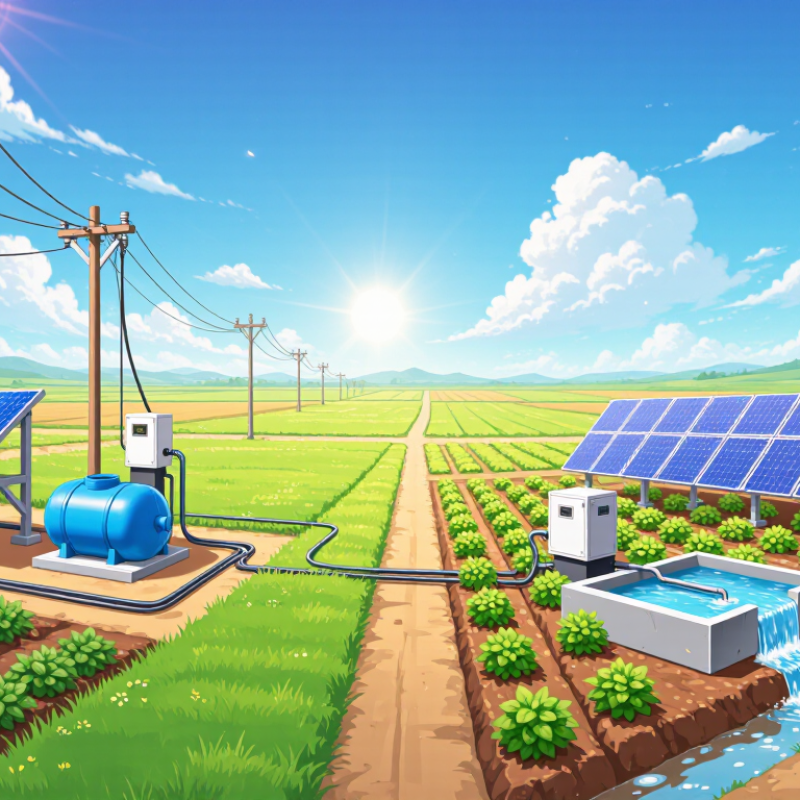
What is the difference between on-grid and off-grid solar pumps? An on-grid pump works with the public electricity network, often using solar power during daylight and grid electricity when needed. It can provide reliable backup, but electricity tariffs, outages, and connection fees affect its economics. An off-grid pump operates independently, usually with solar panels, a controller, and water storage. Batteries may be added, although storing water is often cheaper and simpler than storing electricity. The choice becomes visible at the field edge: one system may keep a pressure tank full after sunset, while another may stop when clouds reduce output.

The agricultural context matters. FAO reports that agriculture accounts for roughly 70% of global freshwater withdrawals, increasing pressure to improve pumping efficiency and water management. The World Bank’s ESMAP has also documented the growing role of solar irrigation in expanding energy access and reducing diesel dependence. Still, reports cannot replace a site survey. Soil depth, seasonal sunlight, pump head, maintenance skills, and local grid reliability can change the result. No option wins everywhere. A careful comparison should measure lifecycle cost, water output, resilience, and environmental impact before purchase. Many buyers overlook maintenance. That mistake can be expensive.
Why Choose On Grid or Off Grid Solar Pumps?

What Are On-Grid and Off-Grid Solar Pump Systems?

On-grid solar pump systems connect photovoltaic panels to a water pump and the public electricity network. Solar power runs the pump during strong daylight, while grid electricity supports operation during cloudy periods or heavy water demand. These systems usually need fewer batteries, reducing replacement costs and maintenance. A farm with a stable grid may use this arrangement for irrigation, livestock watering, or greenhouse supply. Proper sizing still matters. A pump that is too large can waste energy and increase operating expenses.

Off-grid solar pump systems work independently from the utility network. They normally include solar panels, a controller, a pump, and sometimes batteries or a raised water tank. The tank can store water more economically than batteries for many rural applications. During field inspections, installers should check sunlight, well depth, pipe length, seasonal water levels, and daily demand. Small design errors can cause disappointing flow rates. This is often overlooked.

Off-grid systems suit remote farms, construction areas, and communities without dependable grid access. They can keep working during power cuts, but cloudy weather may reduce pumping capacity. Battery systems also require ventilation, protection, and scheduled inspection. On-grid systems are simpler where grid service is reliable, while off-grid systems offer greater independence. The better choice depends on water demand, local sunlight, budget, and technical support. A careful site survey should guide the final design.

How Do On-Grid Solar Pumps Operate?

An on-grid solar pump converts sunlight into pumping power while staying connected to the utility network. Photovoltaic modules produce variable direct current, and an inverter uses maximum power point tracking to stabilize output. That electricity drives an AC motor, often through a variable-frequency drive, which adjusts speed as sunlight changes. At noon, the pump may fill a storage tank quickly; under clouds, its speed can fall. Grid support matters. When solar output is insufficient, the controller can draw electricity from the grid, subject to local interconnection rules. When production exceeds demand, approved systems may export electricity, but compensation differs by jurisdiction.

FAO’s AQUASTAT data indicate that agriculture accounts for roughly 70% of global freshwater withdrawals. This makes pump efficiency a practical concern, not merely a technical preference. IRENA’s Renewable Capacity Statistics 2024 recorded about 1,419 GW of global solar capacity at the end of 2023. These figures do not guarantee good field performance.

Correct sizing still requires daily water volume, total dynamic head, pipe losses, and seasonal irradiance. A pressure sensor can prevent dry running, while a float switch protects an elevated tank from overflow. One overlooked detail is water timing. Cheap midday pumping may still waste energy if the tank, pipes, or irrigation schedule are poorly matched. Designers should verify measured flow, inverter logs, and utility rules rather than trust rated panel power alone. A spreadsheet can look perfect; a dusty array and half-closed valve may disagree.

How Do Off-Grid Solar Pumps Operate?

Off-grid solar pumps operate without a utility connection. Photovoltaic panels convert sunlight into direct-current electricity. A controller regulates voltage before the pump motor starts. Water then moves from a borehole, river, or storage tank.

Most systems pump water during daylight and store water, not electricity. This design often reduces battery costs and maintenance. Sensors can stop the pump when the tank is full or the well level falls.

A variable-speed controller also adjusts flow as sunlight changes. The World Bank’s solar pumping guidance highlights water storage as a practical alternative to large battery banks. FAO AQUASTAT reports that agriculture uses about 70% of global freshwater withdrawals, so efficient control matters. It is easy to oversize a pump and waste water.

Tips: Measure daily water demand, total lift, pipe length, and seasonal sunlight before purchasing equipment. Keep panels free from dust and inspect cables after storms. A simple float switch can prevent overflow. Do not assume bright weather guarantees full output; heat, haze, and shading reduce performance. IRENA’s Renewable Power Generation Costs in 2023 reports that utility-scale solar PV costs fell about 90% from 2010 to 2023. Still, local installation quality decides whether those savings become real. A small backup source may help during prolonged cloudy periods, although I would question adding batteries without a clear night-time need.

What Are the Key Differences Between Both Systems?

On-grid and off-grid solar pumps differ mainly in power access, storage, and operating reliability. An on-grid pump connects to the electricity network, often working with solar panels to reduce daytime energy costs. It can usually pump after sunset when grid power remains available. However, it may stop during a grid outage unless backup equipment is installed. This option suits farms, homes, and facilities near dependable utility lines.

An off-grid pump operates independently from the grid. It normally uses solar panels, batteries, or a water-storage tank. Without batteries, pumping is strongest during bright sunlight and weaker during cloudy periods. With batteries, the system offers more flexibility but requires careful sizing, maintenance, and replacement planning. Remote wells may benefit from this design, especially where grid extension is expensive. A simple comparison can mislead. Water demand, well depth, seasonal sunlight, and pipe length all affect the final choice. Poor sizing can leave a tank empty before evening.

Tips: Measure daily water demand before selecting equipment. Check the pump’s required head, flow rate, and starting power. For off-grid systems, consider storing water instead of relying only on batteries. Water storage may be simpler and more durable. For on-grid systems, confirm outage protection and local electrical requirements with a qualified installer. Keep records of sunlight, pumping hours, and maintenance. Real conditions often differ from the first estimate.

How Should You Choose the Right Solar Pump System?

Why Choose On Grid or Off Grid Solar Pumps?

How Should You Choose the Right Solar Pump System?

Choosing a solar pump starts with the water task, not the panel size. Measure the required flow rate, lifting height, pipe length, and daily operating hours. A shallow well watering vegetables needs different equipment from a deep borehole serving livestock. Record water levels during dry months. They can change sharply.

An on-grid system suits farms or buildings with stable utility power. Solar energy can reduce daytime electricity use, while the grid supports cloudy periods and high-demand pumping. An off-grid system fits remote fields, gardens, and emergency water points. It normally needs batteries, a storage tank, or both. Batteries offer control, but they add cost, weight, and replacement planning. A raised tank may be simpler for daytime pumping.

Check the pump’s operating range against real site conditions. Do not rely only on its maximum flow figure. A pump rated for clear water may perform poorly with sand or sediment. Use suitable filtration and protect the motor from dry running. Local electrical rules, grounding requirements, and qualified installation also matter. I once planned a system from average sunlight data and underestimated winter shading. The pump worked, but the tank filled too slowly. That mistake taught me to inspect shadows hour by hour. Leave room for maintenance, spare parts, and changing water demand. Need more water later? Design for it now.

FAQS

What is an on-grid solar pump system?

It connects solar panels, a water pump, and the public electricity network. Solar power runs the pump in strong daylight. Grid electricity helps during clouds or high water demand. Fewer batteries usually mean simpler maintenance and lower replacement costs.

What is an off-grid solar pump system?

It works without a utility connection. Common parts include panels, a controller, a pump, and sometimes batteries. A raised water tank can store water more economically. This option suits remote farms and areas with unreliable electricity.

How does an on-grid pump respond to changing sunlight?

An inverter manages variable solar output. A speed controller can slow the motor under clouds. The grid supplies additional electricity when solar power falls. At midday, the pump may fill a tank quickly.

Why can water storage be better than batteries?

A raised tank stores pumped water directly. It avoids some battery replacement and ventilation requirements. Water can flow later through gravity or controlled irrigation. Still, a tank needs strong supports and suitable pipe design.

What information is needed before sizing a solar pump?

Measure daily water demand, well depth, total lift, pipe length, and seasonal sunlight. Include pipe losses and changing water levels. A pump that is too large may waste energy. A small pump may deliver disappointing flow.

Can cloudy weather stop an off-grid solar pump?

Cloud, haze, heat, and shading can reduce output. The pump may run more slowly or deliver less water. A storage tank can provide useful resilience. Batteries may help, but adding them without night-time demand deserves reconsideration.

Which sensors improve solar pump safety?

A float switch can stop overflow in an elevated tank. A low-water sensor can prevent dry running. Pressure sensors can identify unusual flow conditions. Simple protection devices often prevent expensive damage.

How should solar pump equipment be maintained?

Remove dust from panels and inspect cables after storms. Check valves, pipe joints, sensors, and controller records. Batteries need ventilation and scheduled inspections. Rated panel power is not field performance. A spreadsheet can still lie.

Which system is better for a farm?

An on-grid system suits farms with dependable electricity and regular high demand. An off-grid system offers independence in remote locations. The decision depends on sunlight, water needs, budget, and technical support. Site conditions matter more than attractive specifications.

Conclusion

On-grid and off-grid solar pump systems both use solar energy to move water, but they are designed for different operating conditions. On-grid systems are connected to the public electricity network, allowing the pump to use solar power when sunlight is available and grid electricity when additional power is needed. This arrangement can provide stable operation and reduce dependence on stored energy. Off-grid systems work independently from the utility grid, usually combining solar panels with batteries or water storage so pumping can continue when sunlight is weak or unavailable.

What is the difference between on-grid and off-grid solar pumps? The main distinction is their relationship with the power grid, energy storage needs, installation cost, and operating flexibility. On-grid pumps may suit locations with reliable grid access and consistent water demand, while off-grid pumps are more appropriate for remote areas without dependable electricity. When choosing a system, consider sunlight conditions, water requirements, budget, maintenance capacity, backup needs, and site accessibility to ensure the solution is practical and reliable.

Oliver

Oliver

Oliver is a seasoned marketing professional with a wealth of expertise in driving brand awareness and engagement. With a deep understanding of our company's product offerings, he consistently delivers high-quality content that enriches our professional blog. His insights not only shed light on......