What Is the Cause of Premature Solar Pump Failure?

Time:2026-09-11 Author:Madeline
0%

Solar pumps are often described as low-maintenance alternatives to diesel systems. That description is incomplete. A pump may run quietly for months, then stop after one dry season, a storm, or a small wiring mistake. Why do some solar pumps fail prematurely? The answer usually involves several connected weaknesses, not one dramatic defect.

The World Bank’s ESMAP guidance on solar water pumping highlights the importance of correct sizing, water-source assessment, installation quality, and ongoing maintenance. These factors are practical, not theoretical. A pump designed for a shallow well can overheat when the water level falls. A controller exposed to direct sunlight may lose reliability. Fine sand can wear an impeller like abrasive powder. Loose terminals can create heat beneath an apparently normal control box.

Industry reliability data also offers useful context. IEA PVPS Task 13 reports typical photovoltaic module degradation near 0.5% annually under normal conditions. However, the pump may fail long before the panels become ineffective. The weak link is often electrical protection, motor cooling, dry-run control, or poor installation practice. This distinction matters.

Field experience shows another uncomfortable truth. Maintenance records are often incomplete. ESMAP recommendations may be followed during design, but ignored after commissioning. Operators may clean panels, yet never inspect cable glands or measure motor current. A clean solar array does not guarantee a healthy pump.

This article examines premature failure from the water source to the controller. It considers design errors, environmental stress, component quality, and human decisions. Some failures remain difficult to predict. That uncertainty deserves honest attention, not optimistic sales language.
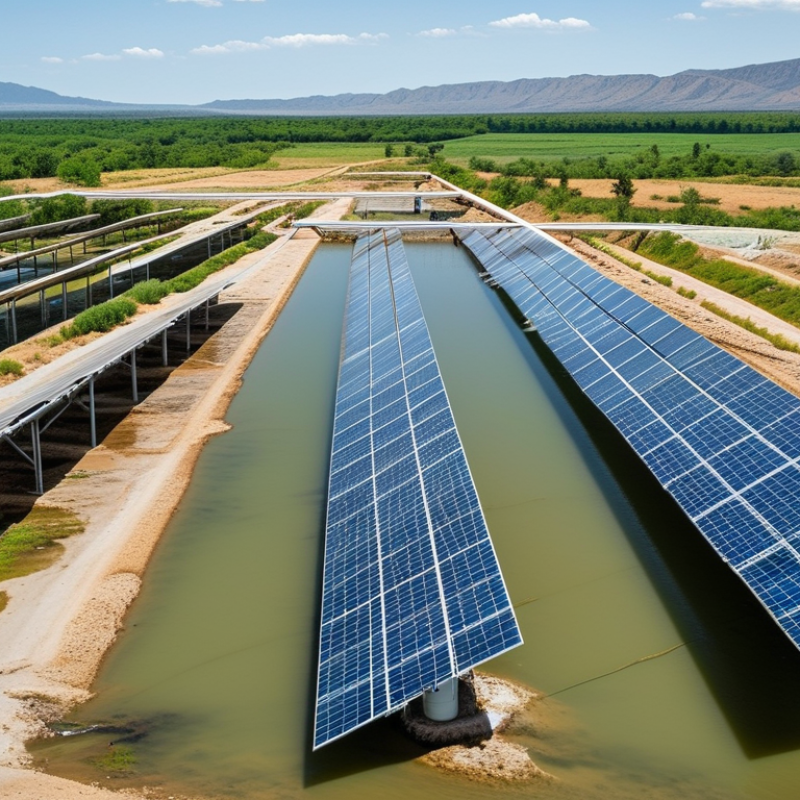
What Is the Cause of Premature Solar Pump Failure?

Defining Premature Solar Pump Failure: NREL’s 0.5% Annual PV Degradation Benchmark

A solar pump can fail early for reasons that have little to do with the solar panels themselves. NREL’s widely cited benchmark estimates photovoltaic degradation at about 0.5% per year. This means a well-performing system may retain roughly 95% of its original output after ten years. The figure describes gradual panel output loss, not pump failure.

A pump exposed to low voltage may overheat while trying to maintain flow. Dry running is even more destructive. It can damage seals, bearings, and the motor within hours. Dusty panels, shaded modules, loose connectors, and undersized cables can reduce available power. In hot climates, high water temperature and poor ventilation add stress to the controller. Small faults often become expensive failures.

Water quality also matters. Sand can wear impellers and block intake screens. Corrosion may develop where cables enter wet enclosures. Routine inspections should compare measured voltage, current, flow rate, and panel condition against the original design. A ten-year-old array producing slightly less power may be normal under the 0.5% benchmark. A sudden drop is not. The benchmark can be misused if technicians treat it as a complete diagnostic rule. Real systems age unevenly, and installation quality remains difficult to measure. That uncertainty deserves attention.

System Sizing Errors: How IEC 61215 Rated Power Differs from Field Output

A solar pump can fail early because its array was sized from laboratory power, not field energy. IEC 61215 qualification uses controlled conditions: 1,000 W/m² irradiance, 25°C cell temperature, and an AM1.5 spectrum. Those conditions define a reference rating, not a guaranteed operating output. A 550-watt module rarely delivers 550 watts at midday on a hot roof.

Temperature is often underestimated. The Fraunhofer Institute’s Photovoltaics Report identifies typical crystalline-silicon temperature coefficients near -0.3% to -0.4% per degree Celsius. If cell temperature reaches 65°C, power may fall roughly 12% to 16% from the rated value. Dust, cable losses, partial shading, module mismatch, and inverter efficiency reduce it further. The pump may then operate below its required voltage, causing repeated starts, overheating, or dry-running protection trips.

The NREL degradation review reports a median photovoltaic degradation rate near 0.5% annually, with wider variation across systems. That loss is gradual, but poor sizing creates trouble immediately. Pump calculations should use hourly irradiance, seasonal water demand, total dynamic head, and measured system losses. A conservative design margin is sensible. A neat spreadsheet can still be wrong. Field commissioning should compare array voltage, current, pump flow, and reservoir recovery under real heat. Many designs skip that uncomfortable check.

Dry Running and Sand Damage: The Hydraulic Causes of Early Pump Wear

What Is the Cause of Premature Solar Pump Failure?

Dry Running and Sand Damage: The Hydraulic Causes of Early Pump Wear

In field inspections, dry running often begins with a small mistake: measuring water depth only once. The static level may look safe, but the dynamic level can fall sharply during pumping. Water enters the well more slowly than the pump removes it. Without enough water, the pump loses cooling and internal lubrication. The motor may overheat within minutes, especially in a warm, shallow borehole. That heat can damage seals, bearings, and electrical insulation.

Sand creates a different hydraulic threat. Sediment enters through an unstable screen, damaged casing, or excessive pumping speed. Fine particles may pass through the pump, while coarse grains strike impellers and wear narrow passages. This changes the pump’s clearances and reduces pressure. Abrasive sand also increases vibration. The damage is gradual, but often expensive.

A practical check includes recording static and pumping water levels, discharge flow, pressure, and motor current. Flow that falls while current rises deserves attention. A low-water sensor can prevent dry running, but it must be installed at the correct level. Sand control may require well development, a suitable screen, or a correctly sized separator. I have learned that replacing worn parts alone rarely solves the problem. The original hydraulic condition may remain unchanged. Some inspections also overlook seasonal water-level changes. That assumption can shorten equipment life.

What Is the Cause of Premature Solar Pump Failure?

Dry Running and Sand Damage: The Hydraulic Causes of Early Pump Wear

The normalized risk index compares the main hydraulic damage pathways. Dry running removes the water film needed for cooling and lubrication, while suspended sand accelerates abrasive erosion of impellers, wear rings, seals, and hydraulic passages. The scores are comparative engineering indicators, not failure-rate percentages.

Voltage Surges and Water Ingress: Applying IEC 60529 and IEC 62305 Protection

What Is the Cause of Premature Solar Pump Failure?

Voltage surges and water ingress often destroy solar pumps before normal wear begins. NREL’s PV Fleet Performance Data Initiative reports availability near 98–99% in well-maintained photovoltaic fleets. A single surge can still create costly downtime. The pump controller may fail first, followed by insulation damage inside the motor. Lightning is not always the direct strike. Nearby ground flashes can induce sharp transient voltages through long DC cables.

IEC 60529 provides the framework for enclosure protection. An IP6X rating means dust-tight construction, while IPX8 requires protection during continuous water immersion under specified conditions. IP68 is not a universal depth guarantee. That detail is often misunderstood. IEC 62305 requires a coordinated lightning protection approach, including risk assessment, bonding, grounding, and surge protective devices. Installing an SPD without short, correctly bonded conductors is incomplete protection. Field inspections often reveal loose earth connections, cracked cable glands, and water trapped inside junction boxes.

Tips: Check enclosure ratings against the actual installation depth. Inspect glands after heavy rain. Measure insulation resistance before commissioning. Record surge events and controller resets. NREL data shows high fleet availability, but that performance depends on disciplined maintenance. A clean panel cannot compensate for a poor earth path. I have seen new installations fail because “waterproof” was treated as permanent. It is not. Seasonal flooding, ultraviolet exposure, and repeated thermal expansion can slowly defeat seals, even when the first inspection looks perfect.

What Is the Cause of Premature Solar Pump Failure? - Voltage Surges and Water Ingress: Applying IEC 60529 and IEC 62305 Protection
Failure Cause Typical Entry Point Observable Evidence Relevant Protection Dimension Applicable Standard or Concept Risk Level Recommended Engineering Measure
Lightning-induced transient overvoltage Solar array cables, controller input, AC utility connection, grounding conductors Random controller reset, damaged semiconductor devices, blown input protection, insulation breakdown, or simultaneous failure of connected equipment Lightning current paths, equipotential bonding, surge-protective-device coordination, and protected zones IEC 62305-1 IEC 62305-3 IEC 62305-4 High Carry out a lightning-risk assessment, bond exposed conductive parts, minimize loop area, and install coordinated SPDs at appropriate line entrances and equipment interfaces.
Switching transient or utility overvoltage Motor switching equipment, inverter output, long DC cable runs, generator or grid interface Intermittent trips, repeated inverter alarms, shortened capacitor life, contact erosion, or progressive electronic degradation Transient suppression, voltage compatibility, wiring layout, and SPD protection IEC 62305-4 IEC 61643-11 Medium to High Use SPDs suitable for the system voltage and earthing arrangement, keep connecting leads short, and verify that the SPD has an adequate continuous operating voltage.
Inadequate or incorrectly coordinated SPD DC combiner box, pump controller, AC distribution board, or communication interface SPD status indicator shows failure, repeated fuse operation, visible thermal damage, or no protection at a cable transition between zones SPD location, voltage rating, discharge capability, backup protection, and coordination between stages IEC 62305-4 IEC 61643-11 IEC 61643-31 High Protect power and signal circuits where required, follow the SPD manufacturer’s backup-fuse requirements, and inspect or replace failed SPDs after a major surge event.
Water ingress through cable glands or connectors Motor cable entry, controller enclosure glands, field connectors, conduit joints, and damaged seals Corrosion, insulation-resistance reduction, earth-leakage trips, moisture marks, green copper deposits, or intermittent operation Enclosure protection against solids and water, cable-entry sealing, drainage, and installation orientation IEC 60529 High Use correctly selected glands and connectors, maintain sealing surfaces, provide downward cable drip loops, and prevent water from tracking along cables into the enclosure.
Insufficient IP rating for the installation environment Pump controller, junction box, outdoor isolator, or exposed electrical enclosure Dust accumulation, rainwater penetration, condensation, corrosion, or failure during washdown and heavy-rain conditions First IP digit: protection against solid objects and dust. Second IP digit: protection against water IEC 60529 High Select an enclosure rating appropriate to exposure. IP rating alone does not confirm resistance to UV, chemicals, impact, condensation, or installation defects.
Misinterpretation of IPX7 or IPX8 Submersible motor, wet-well connection, or equipment exposed to temporary or continuous immersion Water reaches the motor or cable termination even though the product was described as “waterproof” Specified immersion depth, duration, pressure, and assembly conditions IEC 60529 High IPX7 concerns temporary immersion. IPX8 concerns continuous immersion under conditions specified by the manufacturer; the actual depth and duration must be documented.
Condensation inside an enclosure Outdoor controller, junction box, sealed cabinet, and equipment exposed to daily temperature cycling Water droplets on terminals, corrosion without an obvious external leak, nuisance tripping, and unstable control signals Moisture management, enclosure ventilation strategy, drainage, thermal cycling, and installation environment IEC 60529 IEC 62305-4 Medium to High Use suitable breather or drain devices where appropriate, avoid trapping humid air, maintain cable-entry seals, and inspect the enclosure after temperature changes.
Inadequate bonding and earthing arrangement Array frames, pump casing, metallic pipework, controller enclosure, and grounding electrode system Unexpected touch voltage, repeated SPD failure, arcing at bonding points, or damage during nearby lightning activity Equipotential bonding, down-conductor routing, earthing continuity, and separation distance IEC 62305-3 IEC 62305-4 High Verify continuity of protective and bonding conductors, bond accessible conductive parts, and follow the lightning protection design for separation distance and current paths.
Long, poorly routed cable loops PV strings, pump power cables, control wiring, and parallel power or signal circuits Greater surge damage after nearby lightning, nuisance controller failures, and inconsistent protection performance Induced voltage reduction through short, closely routed, and well-bonded conductors IEC 62305-4 Medium to High Reduce loop area, route outgoing and returning conductors together where practical, separate power and signal wiring appropriately, and place SPDs close to protected equipment.
Water-damaged insulation combined with surge stress Motor winding, submerged cable, wet connector, or contaminated terminal block Earth-fault trips, low insulation-resistance readings, dielectric breakdown, or motor winding failure after a transient Moisture exclusion, insulation condition, protective disconnection, and transient limitation IEC 60529 IEC 62305-4 High Test insulation resistance according to the equipment manufacturer’s procedure, correct the ingress path, dry or replace affected components, and confirm SPD and bonding integrity.
Technical note: IEC 60529 classifies enclosure protection against solid objects and water; it does not establish lightning or surge protection. IEC 62305 addresses lightning protection, risk management, physical damage, and protection of electrical and electronic systems. A suitable IP rating and a lightning protection design must therefore be treated as separate, complementary requirements.

Preventive Maintenance: Using ISO 55000 Reliability Principles to Extend Pump Life

What Is the Cause of Premature Solar Pump Failure?

Preventive Maintenance: Using ISO 55000 Reliability Principles to Extend Pump Life

Premature solar pump failure rarely comes from one dramatic event. Dry running, abrasive water, blocked filters, heat, and loose electrical connections often work together. In field inspections, I have found fine sand inside worn impellers and overheated cables beneath dusty control panels. These details matter because reliability begins with understanding the whole asset system.

ISO 55000 encourages a lifecycle approach. Create an asset register for the pump, motor, panels, controller, cables, and storage tank. Then rank each item by safety, production impact, failure probability, and repair time. A critical pump may need weekly checks, while a backup unit may need monthly inspections. Record flow rate, running current, vibration, water level, and unusual noise. Small changes can reveal developing faults.

Use condition data to adjust maintenance intervals, rather than relying only on calendar dates. Clean panel surfaces, inspect cable glands, test protective devices, and confirm that the pump never runs dry. Check alignment and mounting after heavy storms. Keep spare seals and electrical connectors in dry storage. Train local technicians to record findings consistently.

Our early maintenance plans were too general. They looked complete on paper but missed seasonal dust and declining well levels. That mistake taught us to review risks after every failure and every operating change. Reliability is not a perfect schedule. It is disciplined learning, backed by evidence, ownership, and clear decisions.

FAQS

: What does premature solar pump failure mean?

: It means the pump fails earlier than expected from normal system aging. Panel degradation alone does not prove pump failure. The failure may involve the motor, seals, bearings, controller, or hydraulic parts.

Is a 0.5% annual panel loss normal?

Around 0.5% yearly output loss can be a reasonable reference. After ten years, a well-performing array may produce about 95% of its original output. A sudden power drop is different. It needs investigation.

How can dry running damage a pump?

Dry running removes water-based cooling and internal lubrication. The motor may overheat within minutes. Seals, bearings, and electrical insulation can suffer damage. It can happen fast.

Why is one water-depth reading unreliable?

A static water level may appear safe before pumping begins. The dynamic level can fall sharply during operation. The well may refill more slowly than the pump removes water. Measure both levels.

How does sand cause early pump wear?

Sand can enter through a damaged casing, unstable screen, or excessive pumping speed. Coarse grains strike impellers and wear narrow passages. Fine particles may pass through internal components. Vibration often increases.

What electrical problems can cause early failure?

Low voltage can make the motor work harder to maintain flow. This may increase heat and stress. Dust, shade, loose connectors, and undersized cables can reduce available power. Hot controllers need ventilation.

What measurements should an inspection include?

Record voltage, current, flow rate, pressure, and panel condition. Also record static and pumping water levels. Flow falling while current rises deserves attention. Compare results with the original design.

Can a low-water sensor prevent dry running?

A correctly positioned sensor can stop operation before water becomes dangerously low. Its installation level matters greatly. A poorly placed sensor may respond too late. Protection is not automatic.

How can sand damage be reduced?

Possible measures include well development, a suitable screen, or a correctly sized separator. The correct choice depends on sediment conditions. Replacing worn parts alone may not solve the cause. The original hydraulic problem may remain.

Is the 0.5% benchmark a complete diagnostic rule?

No. It only describes gradual photovoltaic output loss. Real systems age unevenly. Installation quality, seasonal water changes, and maintenance also matter. One reading cannot explain everything.

Conclusion

Why do some solar pumps fail prematurely? The answer is usually a combination of design, operating, and environmental factors rather than a single defect. A realistic assessment should distinguish normal photovoltaic degradation—often measured against an annual benchmark of about 0.5%—from poor system performance caused by incorrect sizing. Rated panel power under IEC 61215 testing may differ considerably from field output because of heat, dust, shading, wiring losses, and changing sunlight conditions. If the array cannot consistently meet the pump’s electrical and hydraulic requirements, the system may experience unstable operation and excessive wear.

Dry running, abrasive sand, voltage surges, and water ingress can accelerate damage to seals, bearings, motors, and electronic controls. Proper filtration, water-level monitoring, grounding, surge protection, and enclosures suited to the installation environment are essential, with protection practices aligned with IEC 60529 and IEC 62305 principles. Finally, applying ISO 55000 reliability concepts—regular inspections, performance tracking, planned cleaning, and timely component replacement—can reduce unexpected failures and significantly extend the pump’s useful service life.

Madeline

Madeline

Madeline is a dedicated marketing professional with a wealth of expertise in our company's core offerings. With a keen understanding of the industry, she brings a unique perspective to her role, consistently delivering high-quality content that highlights the superior aspects of our products. As......