Solar energy continues to be a vital solution in the quest for sustainable energy. According to the International Energy Agency (IEA), solar power generation could increase to over 8,000 terawatt-hours (TWh) by 2040. This significant growth underscores the need for effective strategies in "How to improve solar panel production efficiency." Industry expert Dr. Emily Schneider emphasizes, "Maximizing efficiency is not just about technology; it's about thorough understanding and careful implementation."
Current technology enhances efficiency, but many installations still underperform. It’s crucial to recognize that real-world factors, like shading and improper positioning, can drastically lower output. The National Renewable Energy Laboratory (NREL) states that efficiency can drop by nearly 25% due to minor misalignments. Users need to be aware of these pitfalls while exploring the best practices.
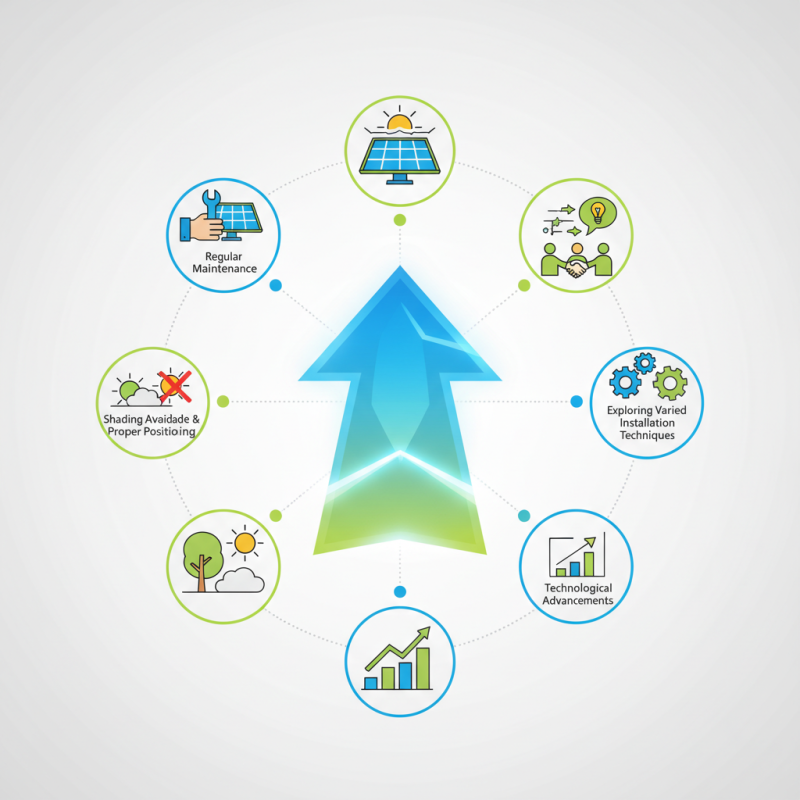
Decreasing performance can stem from both external and internal issues. Regular maintenance is necessary, yet often overlooked. Transparent communication with installers can help bridge gaps in understanding. Exploring varied installation techniques is vital, but there's often a disconnect between theory and practice. This calls for industry awareness and reflection on optimizing solar panel efficiency through dedicated actions.
The angle at which sunlight hits solar panels greatly influences their efficiency. An optimal solar angle allows panels to capture maximum sunlight. Research indicates that tilting panels to match the sun's elevation can boost energy production by up to 40%. This significant gain highlights the importance of positioning.
Factors affecting solar angle include geographic location and time of year. For instance, sun angles change seasonally. During winter, panels may need a higher tilt. This adjustment can ensure better exposure to low-hanging sun rays. Industry studies show that many installations fail to optimize angles, resulting in lost energy potential.
It’s also essential to consider the sun’s movement throughout the day. Fixed installations may not adapt effectively. Some solar setups integrate tracking systems that shift panels as the sun traverses the sky. While initial costs are higher, studies reveal that tracking systems can enhance production by an additional 25%. The decision to invest in such technology depends on local climate and installation budgets. Ensuring the right angle and incorporating tracking solutions can significantly improve solar panel efficiency.
Temperature plays a significant role in solar panel efficiency. As the temperature rises, solar panels often produce less electricity. High heat can lead to a decrease in voltage output. In fact, for every degree Celsius increase in temperature, the efficiency can drop by about 0.5%. This means that on extremely hot days, even the best systems may underperform.
Understanding this relationship is crucial for optimizing performance. During the summer months, panels can heat up significantly. Installing them with proper airflow or using heat-resistant materials can mitigate some impacts. Additionally, shading or cooling techniques can help maintain better operating temperatures. The goal is to ensure panels remain as efficient as possible.
In practice, many users overlook these factors. They set up panels without considering their environment. This can lead to suboptimal conditions. Regular maintenance is also essential. Cleaning the panels can enhance performance, especially in warmer climates. Reflecting on these aspects can be vital for maximizing solar energy production.
When enhancing solar panel production efficiency, the quality of inverters plays a crucial role. Inverters convert the direct current generated by solar panels into usable alternating current for homes and businesses. Industry reports indicate that the efficiency of an inverter can significantly impact overall system performance. For instance, modern inverters boast efficiencies above 95%, meaning very little energy goes to waste.
However, not all inverters are created equal. Cheaper models may fall short, leading to energy losses that can accumulate over time. Data from the National Renewable Energy Laboratory shows that using high-quality inverters can enhance energy yield by up to 20%. This leads to greater returns on investment for solar energy systems. Investing in reliable inverters, therefore, is a decision that requires careful consideration.
Additionally, the placement and configuration of these inverters influence their efficiency. Inconvenient installations can lead to overheating and malfunction. It’s vital to ensure optimal ventilation and protective measures against environmental factors. Regular maintenance checks can also help identify issues before they cause significant energy loss. In many cases, the lack of attention to these details results in suboptimal performance, leading to disappointments in expected energy output.
This chart illustrates the relationship between solar panel tilt angles and their energy production efficiency. As the tilt angle increases from 0° to 90°, the efficiency improves, reaching an optimal point, after which the efficiency begins to decline. Proper inverter selection can help maximize energy harvesting at each angle.
Regular maintenance and cleaning of solar panels play a crucial role in maximizing energy production. Over time, dust, dirt, and debris can accumulate on the surface of solar panels, blocking sunlight. This leads to decreased efficiency. Many homeowners underestimate the impact of a dirty panel. Even a thin layer of grime can reduce output by up to 20%.
Cleaning solar panels doesn’t require complicated procedures. A simple rinse with water can be effective. However, timing is key. Early mornings or late evenings work best for cleaning. The temperature is cooler, preventing rapid evaporation. Regular inspections should also be part of maintenance routines. Look for cracks, loose wires, or signs of wear. These issues may seem minor but can lead to significant energy losses.
Utilizing a professional service can be beneficial. Professionals often have the right tools and expertise. Yet, some may feel hesitant about spending money on cleaning. It's worth considering that neglecting proper care may result in larger expenses down the road. An efficient solar panel system needs dedicated attention to maintain optimal performance.
Innovative technologies are transforming solar panel production efficiency. One significant advancement is bifacial solar panels. These panels can capture sunlight from both sides. Reports show that bifacial panels can increase energy production by over 20%. This means more energy from the same solar installation area. Efficiency like this is crucial as demand for renewable energy rises.
Another innovation is the use of advanced materials. Perovskite solar cells are gaining traction. They offer high efficiency at a lower cost. Research suggests these cells could achieve over 30% efficiency in the near future. However, stability remains a challenge. Long-term durability is a concern that researchers are actively addressing.
In addition, automation in manufacturing is improving production rates. Robotic systems can reduce human error and speed up processes. Factories are adopting AI to optimize operations. This tech integration can lead to lower costs and increased output. Yet, an over-reliance on automation may raise questions about job security in the industry. Balancing innovation with workforce needs is vital for sustainable growth.
: The angle of sunlight hitting solar panels influences their efficiency greatly. An optimal angle maximizes sunlight capture.
Panels may need a higher tilt during winter to better absorb low-hanging sun rays for improved efficiency.
Yes, tracking systems can increase production by up to 25% by adjusting panel positions throughout the day.
Higher quality inverters can enhance energy yield by 20%. Proper placement ensures optimal performance and prevents overheating.
Bifacial panels capture sunlight from both sides, potentially increasing energy output by over 20% in existing solar installations.
They provide high efficiency at a lower cost, possibly achieving over 30% efficiency, but stability is still a concern.
Automation reduces human error and speeds up production, but may raise concerns about job security in the industry.
Regular maintenance addresses potential issues early, ensuring efficient operation and reducing unexpected energy losses.
Geographic location, time of year, angle adjustment, and equipment quality all significantly affect solar panel efficiency.
Yes, while innovative technologies boost efficiency, they may lead to reliance issues, impacting workforce employment and stability.
To improve solar panel production efficiency, it is essential to understand several key factors that influence performance. Firstly, the angle at which solar panels are installed significantly affects their ability to capture sunlight; optimizing this angle according to seasonal changes can enhance energy output. Additionally, temperature plays a critical role, as extremely high temperatures can diminish efficiency. Utilizing high-quality inverters is also vital, as they maximize the amount of solar energy converted into usable electricity.
Moreover, regular maintenance and cleaning of solar panels are necessary to prevent dirt and debris from obstructing sunlight, ensuring optimal performance. Lastly, staying informed about innovative technologies that enhance solar panel production efficiency can lead to better energy harvesting solutions. Implementing these strategies is crucial for anyone looking to significantly improve solar panel production efficiency.

FLare Solar