As we approach 2026, the energy efficiency of solar street lights has garnered significant attention. Understanding why solar street lights are more energy-efficient is crucial for urban planners and environmentalists alike. The advancement of solar technology has played a key role in this transformation.
In recent years, innovations such as improved photovoltaic cells and battery storage systems have emerged. These technologies enhance performance and reduce energy waste. Cities are witnessing reduced electricity costs and lower carbon footprints. However, it’s essential to acknowledge that challenges remain. Not all areas have access to sufficient sunlight year-round, which can impact efficiency.
Moreover, maintenance and installation costs can present obstacles for some municipalities. Despite these issues, the future of solar street lights appears promising. Urban areas can become more sustainable through effective policies and community support. Understanding why solar street lights are more energy-efficient is the first step toward embracing this change.
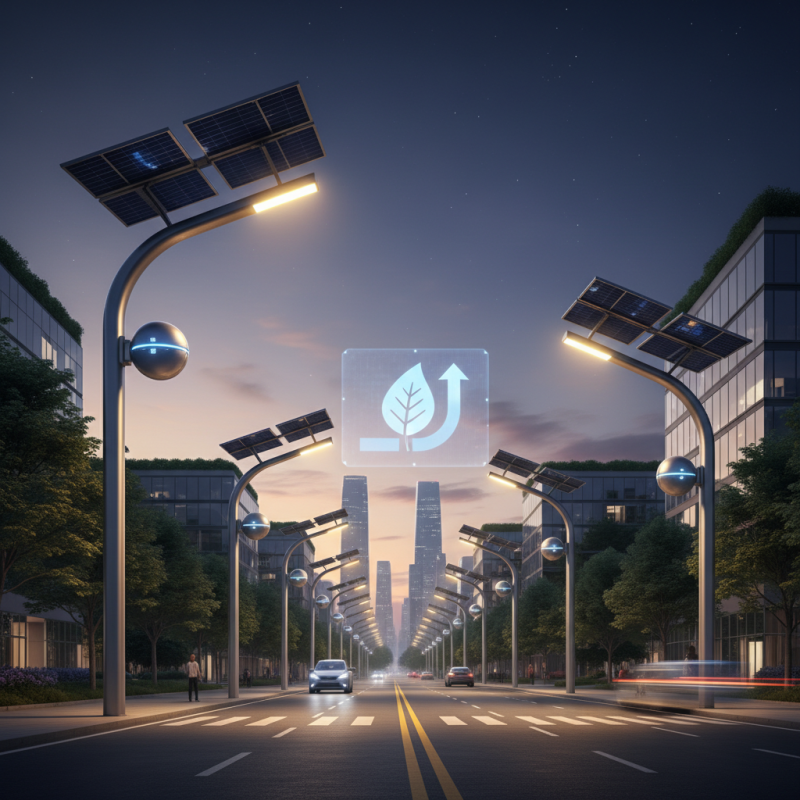
In 2026, solar street lights are becoming increasingly energy efficient due to advancements in solar panel technology. Modern solar panels have improved drastically, utilizing higher efficiency materials such as monocrystalline cells. These cells convert more sunlight into electricity, which leads to prolonged operation at night. Street lights now harvest energy more effectively, even on cloudy days.
The introduction of smart technology is significant. Innovative sensors adjust the light intensity based on the surroundings. This means less energy is used when surroundings are bright. Another breakthrough is in battery technology, with lithium-ion batteries providing better storage solutions. These batteries last longer and charge quicker, minimizing downtime. However, these advancements come with challenges. Not all areas have access to adequate sunlight. Some regions still rely on traditional energy sources for lighting.
The integration of renewable energy is a step toward sustainability. Yet, the transition can be complex, especially in urban settings with limited roof space for solar panels. Overcoming these hurdles is vital for broader implementation. As cities strive for greener solutions, solar street lights appear to lead the way. Balancing efficiency, cost, and technology remains essential in this ongoing evolution.
In recent years, the debate between traditional street lights and solar street lights has intensified. A comparative analysis reveals significant differences in energy consumption. Traditional street lights often rely on grid electricity. This method can lead to inconsistent energy use and higher costs over time. Conversely, solar street lights harness energy from the sun. They convert sunlight into electricity, drastically reducing long-term energy dependence.
One notable advantage of solar street lights is their sustainability. They operate independently and are less vulnerable to power outages. This independence allows cities to ensure consistent lighting while lowering energy bills. In contrast, traditional lights may require more maintenance due to their reliance on external power sources.
Tip: When considering street lighting solutions, assess initial costs versus long-term savings. It’s crucial to factor in maintenance and operational expenses.
Moreover, while solar lights are efficient, they do have limitations. Areas with prolonged shade may not generate enough energy. This means some installations must consider local weather conditions. It's vital to analyze energy efficiency in a broader context.
Tip: Conduct a site-specific evaluation before implementation. This ensures that solar technology meets both energy and lighting needs effectively.
In 2026, the integration of smart technology in solar street lights significantly enhances energy efficiency. Smart sensors are now commonplace, enabling lights to adjust brightness based on foot traffic. As a result, energy consumption decreases when areas are less populated, contributing to sustainability.
Moreover, data analytics plays a vital role. Advanced algorithms analyze usage patterns, optimizing energy use and maintenance. This technology creates a smarter grid, allowing for real-time adjustments. Community feedback loops help refine these systems, but implementation challenges still exist. Many cities struggle with the initial costs and infrastructure changes required.
The impact of this smart integration is profound. Lighting solutions now adapt to real-time conditions. Solar street lights not only serve their purpose but also engage with users in a dynamic way. Continued education on technology is essential, as some community members may feel disconnected from these advancements. There is a need for greater awareness about the benefits and functionality of these modern systems.
| Year | Technology Integration | Energy Consumption (kWh/year) | Maintenance Cost ($) | CO2 Emission Reduction (tons) |
|---|---|---|---|---|
| 2022 | Basic Solar Technology | 1200 | 200 | 1.5 |
| 2023 | Smart Control Systems | 900 | 180 | 2.0 |
| 2024 | IoT Monitoring | 700 | 150 | 2.5 |
| 2025 | AI Optimization | 500 | 120 | 3.0 |
| 2026 | Advanced Energy Management | 300 | 100 | 4.0 |
Solar street lights are becoming increasingly popular due to their energy efficiency. A cost-benefit analysis reveals significant advantages over traditional lighting solutions. According to a recent report by the International Energy Agency, solar street lights can reduce energy consumption by up to 75% compared to conventional bulbs. This drastic decrease contributes to lower utility costs and a smaller carbon footprint.
The initial installation cost of solar street lights may seem higher. However, their long-term savings are undeniable. A study by the Solar Energy Industries Association indicates that municipalities can save up to $50,000 over a decade by switching. This figure includes maintenance costs, which are generally lower for solar solutions due to fewer moving parts.
**Tips:** When considering solar street lights, evaluate the local insolation levels for optimal performance. Regular cleaning of solar panels can enhance efficiency, ensuring they work well year-round. Explore potential subsidies or grants that can offset initial costs and improve overall project feasibility.
Solar street lights are transforming urban landscapes in 2026. Their efficiency stems from renewable energy sources. These lights harness solar power, reducing energy costs significantly. They require less maintenance compared to traditional lighting options, saving municipalities valuable time and resources.
The environmental advantages are notable. Solar lights emit no greenhouse gases during operation, helping improve air quality in urban areas. Additionally, they often utilize LED technology, further enhancing their energy efficiency. Data indicates that cities adopting these systems have seen a reduction in their carbon footprints.
However, not every installation has achieved optimal performance. Some challenges remain, such as weather dependence and battery efficiency issues. Proper planning is essential for maximizing benefits. Regions with long sunlight hours generally see better results. Conversely, areas with limited sunlight may require supplementary systems. These complexities can lead to uneven performance outcomes. Stakeholders must address these issues to fully capitalize on solar street lighting's potential. The insights gained from ongoing research can guide future implementations effectively.
: Traditional lights use grid electricity, while solar lights utilize solar energy.
They reduce long-term energy bills and require less maintenance than traditional lights.
Yes, prolonged shade can limit energy generation, affecting performance.
It ensures that local conditions meet both energy and lighting needs effectively.
Smart sensors adjust brightness based on foot traffic, reducing energy consumption.
They optimize energy use and maintenance by analyzing usage patterns.
Initial costs and necessary infrastructure changes can be significant hurdles.
It increases awareness and helps users understand the benefits of modern systems.
Yes, they can adjust based on real-time data and community feedback.
Limited sunlight due to weather and shade can hinder energy generation.
In 2026, solar street lights are demonstrating greater energy efficiency due to significant advancements in solar panel technology that enhance their power conversion capabilities. A comparative analysis shows that these systems consume considerably less energy compared to traditional lighting, making them an increasingly viable alternative for urban infrastructure.
Moreover, the integration of smart technology plays a crucial role in optimizing performance by automating energy use and maintaining optimal brightness levels based on ambient conditions. With a detailed cost-benefit analysis, it becomes clear that solar street lights not only offer financial advantages over conventional solutions but also contribute positively to environmental sustainability. Thus, understanding why solar street lights are more energy-efficient aligns with the pressing need for eco-friendly urban development in 2026.

FLare Solar