Solar pumps are gaining popularity for their efficiency and eco-friendliness. They are an ideal choice for irrigation and water supply. However, not all these systems function as intended. Some experience premature failures, raising important questions. Why do some solar pumps fail prematurely?
Understanding the common pitfalls can improve system longevity. Factors such as poor installation, inadequate maintenance, and low-quality components often contribute to these issues. For example, incorrect placement may lead to insufficient sunlight capture. Regular checks are crucial to ensure optimal performance.
Professional guidance can enhance the effectiveness of these systems. Consulting experts and investing in quality parts make a significant difference. Reflecting on past experiences can help identify areas needing improvement. By addressing potential failures upfront, users can maximize their solar pump systems' lifespan and efficiency.
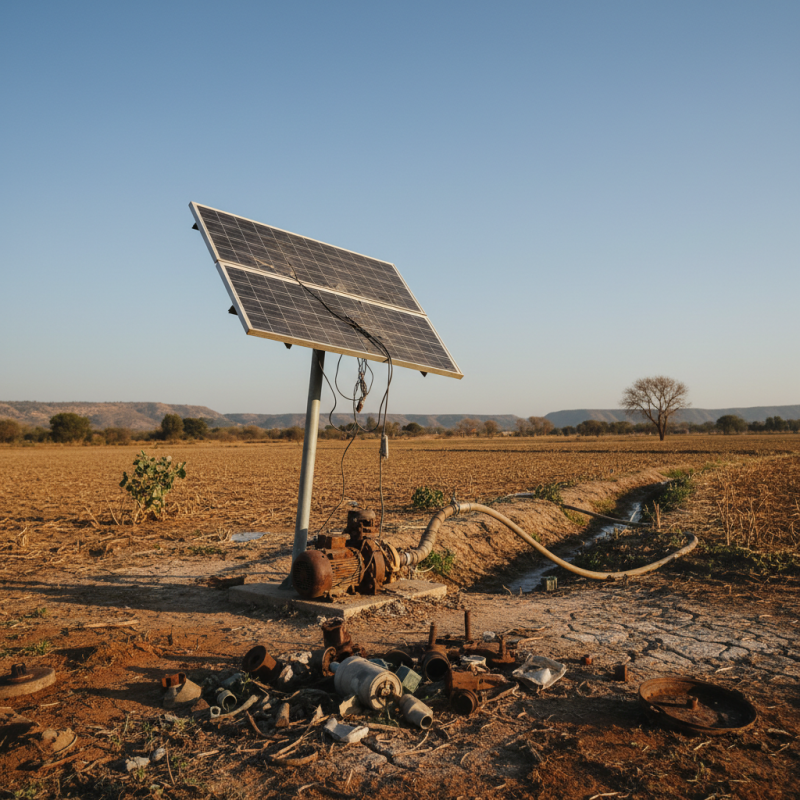
Solar pumps are becoming increasingly popular, but premature failures remain a concern in the industry. One major cause is subpar installation. Many installers lack proper training, leading to incorrect mounting or wiring issues. Reports indicate that nearly 30% of system failures stem from installation errors. When installation is rushed or poorly executed, it can shorten the pump's lifespan significantly.
Another common cause of failure is inadequate maintenance. According to industry data, about 25% of solar pumps fail due to neglect. Regular maintenance, like cleaning panels and checking connections, is crucial. When these tasks are skipped, dirt accumulation can block sunlight, reducing efficiency. Additionally, failure to monitor water quality may lead to corrosion, which can damage components over time.
Environmental factors also play a significant role. Solar pumps in areas with extreme temperatures or heavy sediment can be at risk. Research shows that pumps exposed to harsh conditions without adequate protection often fail prematurely. Ensuring the pump is designed for local conditions can mitigate this risk. Even with proper measures in place, unexpected failures can still occur. Reflection and thorough evaluation of both installation practices and environmental challenges are essential for improving system reliability.
| Common Causes of Failure | Description | Prevention Method |
|---|---|---|
| Overheating | Excessive heat can damage motor components and lead to failure. | Ensure proper ventilation and avoid direct sunlight exposure on the pump. |
| Dry Running | Operating without water can cause severe damage to the pump mechanism. | Install dry run protection systems to automatically shut off the pump. |
| Corrosion | Exposure to harsh chemicals or water with high salinity can corrode components. | Use corrosion-resistant materials and perform regular inspections. |
| Electrical Issues | Faulty wiring or fluctuations in power supply can cause pump failure. | Regularly check electrical connections and invest in surge protection. |
| Inadequate Maintenance | Lack of routine maintenance can lead to undetected wear and tear. | Establish a regular maintenance schedule with thorough inspections. |
: Improper installation is a major cause. Nearly 30% fail within three years due to wrong setup.
Pumps should face towards the sun's path. This maximizes sunlight exposure, improving performance.
Low-quality materials can lead to early wear and failures. Corrosion resistance is particularly crucial.
Maintenance checks uncover minor issues before they worsen. This can prevent costly repairs over time.
Each location has unique challenges. Local conditions may cause pumps to underperform or fail.
They alert users to potential issues. This minimizes downtime and enhances overall performance.
Training helps operators understand the system better. This knowledge aids in effective troubleshooting.
Yes, problems can still occur despite meeting installation guidelines. It highlights the complex nature of solar systems.
Definitely. Weather impacts and environmental stress can cause issues if not properly addressed.
Many overlook weather effects or fail to protect pumps, leading to avoidable issues. Awareness is crucial.
The article "Why Do Some Solar Pumps Fail Prematurely and How to Avoid It?" explores the common causes behind the premature failure of solar pumps, which often stem from inadequate installation practices, environmental factors, and lack of proper maintenance. Key factors influencing the lifespan and performance metrics of these systems include quality of materials, design specifications, and operational conditions.
To enhance the durability of solar pumps, the article emphasizes employing best installation practices, coupled with regular maintenance strategies. This proactive approach not only addresses potential malfunctions but also integrates innovative technologies and solutions to improve reliability. By understanding why some solar pumps fail prematurely, users can implement effective measures to ensure longevity and optimal performance of their systems.

 FLare Solar