Why Are Solar Pumps the Best Solution for Remote Areas?

Time:2026-05-28 Author:Madeline
0%

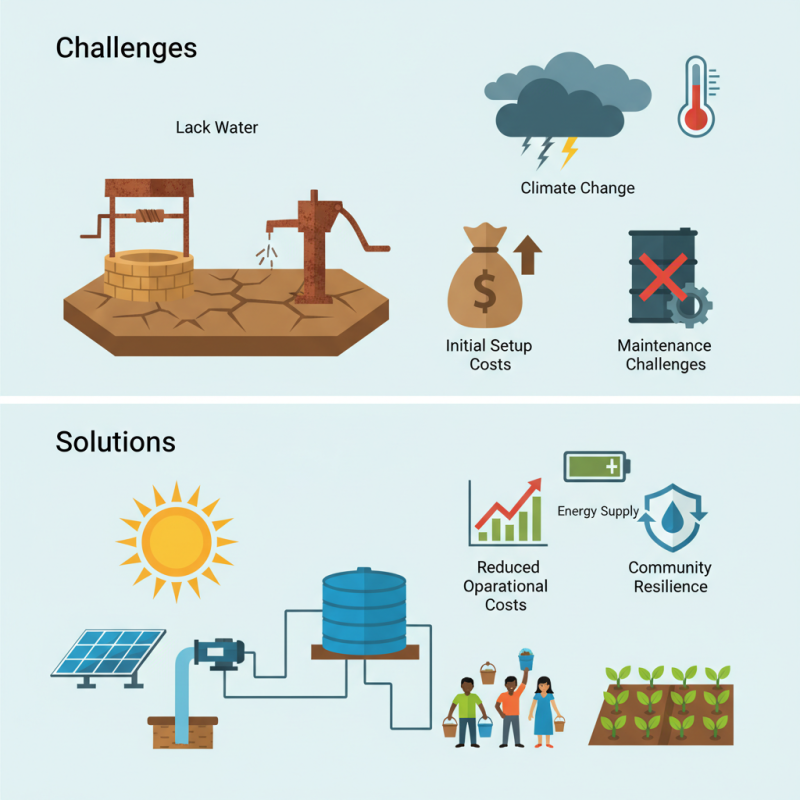
In many remote areas, access to clean water is a critical challenge. Solar pumps stand out as an efficient and sustainable solution to this issue. According to the International Renewable Energy Agency (IRENA), around 1.2 billion people lack reliable water sources. With increasing climate change concerns, solar pumps provide a viable alternative.

Dr. Emily Thompson, a leading expert in renewable energy, emphasizes, “Why solar pumps are better for remote areas is clear: they offer independence from fossil fuels and reduce operational costs.” This independence is crucial for communities that struggle with energy supply. Solar pumps harness sunlight, converting it into power for water extraction, eliminating the need for complicated electricity networks.

However, there are challenges. Initial setup costs can be significant, and maintenance knowledge may be sparse in isolated regions. Some users may face difficulties troubleshooting system malfunctions. Yet, the long-term benefits often outweigh initial hurdles. Investments in solar pump technology provide reliable water access and foster community resilience.
Why Are Solar Pumps the Best Solution for Remote Areas?

Benefits of Solar Pumps in Remote Areas: A Comprehensive Overview

Solar pumps are gaining traction in remote areas due to their numerous benefits. These systems are powered by sunlight, making them ideal for regions with limited access to electricity. According to a report by the International Renewable Energy Agency (IRENA), solar pumping can reduce energy costs by up to 50% compared to traditional diesel pumps. This significant reduction offers financial relief for rural communities, often struggling with high fuel prices.

The reliability of solar pumps stands out. They operate with minimal maintenance and have fewer moving parts than conventional systems. Research shows that solar pumps have a lifespan of over 20 years when properly maintained. This durability makes them a long-term solution for water supply needs in remote areas. However, initial installation costs can be a barrier for some communities, emphasizing the need for financial support or incentives.

Moreover, solar pumps support sustainable agricultural practices. They enable farmers to irrigate their crops without relying on fossil fuels. This alignment with environmental goals is crucial, especially as climate change impacts food security. Yet, some users may face challenges in system optimization and training, requiring ongoing education and local support. These factors highlight the importance of not only adopting technology but ensuring its effective implementation and community involvement.

Cost-Effectiveness: Analyzing Solar Pump Investment vs. Traditional Methods

Solar pumps present an excellent option for remote areas. They offer significant cost savings compared to traditional methods. The initial investment for solar pumps can be higher. However, over time, they reduce operational costs. Maintenance is lower, and the energy source is free. This creates a solid financial case for adoption.

When analyzing costs, consider the long-term perspective. Traditional pumps require fuel or electricity, which can be unreliable in remote settings. Depending on external factors, these expenses can fluctuate. Solar energy remains constant and accessible, even in isolated areas. Local communities can save money on fuel.

Despite the benefits, some challenges exist. Upfront costs can be a barrier. It may take time for users to see returns. Local expertise for installation is crucial as well. Ongoing training can help ensure the system operates efficiently. There can be days with less sunlight, which may affect water supply. Proper planning can mitigate these issues. Understanding these factors allows for better decision-making in implementing solar technology.

Why Are Solar Pumps the Best Solution for Remote Areas?

Parameter Solar Pumps Traditional Pumps
Initial Investment Cost $3,000 - $5,000 $4,000 - $10,000
Operating Cost (Annual) $200 $800 - $1,500
Lifespan (Years) 20 - 25 10 - 15
Maintenance Frequency Low (1-2 times/year) High (4-6 times/year)
Water Output (Liters/Day) 1,000 - 3,000 500 - 1,500
Environmental Impact Low (Renewable Energy) High (Fossil Fuels)

Sustainability: Solar Pumping's Impact on Water Resource Management

Solar pumps offer a sustainable solution for water resource management, especially in remote areas. They use solar energy to power water transportation. This reduces reliance on fossil fuels and lowers greenhouse gas emissions. As a renewable source, solar energy is abundant in many regions. It provides a consistent and reliable power supply for pumping water, even in isolated communities.

The impact of solar pumping on water management is profound. In drought-prone areas, these systems can help maintain water supplies. They enhance agricultural productivity by ensuring crops receive necessary irrigation. Communities can now access water without extensive infrastructure. This empowers local populations and promotes self-sufficiency. However, initial installation costs can be a barrier. Some regions still lack the technical expertise for effective implementation.

Moreover, maintenance of solar pumps requires trained personnel. Regular upkeep is essential for long-term reliability. Despite their effectiveness, potential challenges remain. Adaptability to varying climates and conditions is crucial. Overall, the benefits of solar pumps far outweigh the challenges, making them a viable option for water resource management in remote areas.

Energy Independence: How Solar Pumps Enhance Local Empowerment

In remote areas, access to reliable water sources can be a challenge. Solar pumps offer an effective solution by harnessing renewable energy. They allow communities to draw water without depending on unstable energy supplies. This independence is crucial for local growth and resilience.

Using solar pumps can boost local empowerment. Communities become less reliant on outside resources for basic needs. They can cultivate crops, sustain livestock, and manage household water without interruptions. This self-sufficiency fosters confidence and initiative among residents.

However, challenges remain. The initial setup cost can be high. Maintenance requires some technical knowledge, which may not be readily available in all areas. Many communities may need training to effectively operate these systems. Addressing these hurdles is vital for maximizing the benefits of solar energy.

Technological Advancements: The Future of Solar Pump Efficiency and Reliability

Solar pumps have become increasingly vital in addressing water scarcity in remote areas. Recent advancements in solar technology have significantly improved efficiency and reliability. According to a report by the International Energy Agency, the efficiency of solar pumps has increased by 20% over the past five years. This advancement makes it more viable for communities that previously relied on less sustainable sources.

Moreover, the reliability of these systems has been bolstered by the introduction of smart technology. Sensors and IoT integration allow for real-time monitoring of pump operations. Data from the World Bank suggests that such technologies can reduce operational failures by up to 30%. However, there are challenges; intermittent sunlight can affect performance. Addressing these issues is crucial for maximizing solar pump deployment and effectiveness.

Material selection has also evolved, leading to more durable products capable of withstanding harsh conditions. Yet, the industry still struggles with standardization. Variability in component quality can impact overall system performance. Stakeholders need to focus on certification processes to ensure quality and build trust in solar pump technologies. This is key to making solar solutions a reliable choice for remote communities.

Solar Pump Efficiency and Reliability Over Time

This chart illustrates the advancements in solar pump efficiency and reliability from 2018 to 2023. As technology progresses, we see a consistent increase in both metrics, showcasing the importance of solar pumps in providing sustainable solutions for remote areas.

FAQS

: What are the benefits of solar pumps in remote areas?

: Solar pumps reduce energy costs and operate without electricity. They can cut costs by up to 50%.

How long do solar pumps last?

With proper maintenance, solar pumps can last over 20 years. Their durability makes them reliable for long-term use.

Are solar pumps easy to maintain?

Yes, they have fewer moving parts. Minimal maintenance is required compared to traditional systems.

What are the initial costs of solar pumps?

Initial installation costs can be high. This may require financial support for some communities to adopt them.

How do solar pumps support agriculture?

They allow farmers to irrigate crops sustainably without fossil fuels. This is crucial for addressing food security.

What challenges do users face with solar pumps?

Users may struggle with system optimization and training. Ongoing education and local support are essential for success.

Why is local expertise necessary for solar pump installation?

Proper installation is vital for efficient operation. Local knowledge can help communities overcome initial challenges effectively.

Can solar pump efficiency be affected by weather?

Yes, cloudy days may limit energy production. Planning and understanding local conditions can help manage water supply.

How do solar pumps compare to traditional pumps in operational costs?

Over time, solar pumps reduce operational costs. Traditional pumps rely on fluctuating fuel prices, while solar is free.

What should communities consider before adopting solar pumps?

Communities need to evaluate upfront costs, ongoing training needs, and potential weather impacts for sustainable use.

Conclusion

Solar pumps have emerged as a vital solution for addressing the unique challenges faced by remote areas. They offer numerous benefits, including cost-effectiveness when compared to traditional water pumping methods, allowing communities to save on operational expenses over time. In addition, solar pumps contribute to sustainable water resource management by harnessing renewable energy, thus reducing the environmental impact associated with conventional fossil fuel-based systems.

Why solar pumps are better for remote areas lies in their ability to provide energy independence and enhance local empowerment. By utilizing readily available sunlight, these systems enable communities to manage their own water supply without relying on external power sources. Technological advancements continue to improve the efficiency and reliability of solar pumps, making them a future-ready option that can ensure consistent access to water in even the most isolated locations.

Madeline

Madeline

Madeline is a dedicated marketing professional with a wealth of expertise in our company's core offerings. With a keen understanding of the industry, she brings a unique perspective to her role, consistently delivering high-quality content that highlights the superior aspects of our products. As......