Why Does My Solar Pump Lose Pressure During Operation?

Time:2026-05-07 Author:Sophia
0%

Understanding the question "Why does my solar pump lose pressure" is crucial for effective system performance. Solar-powered pumping systems have gained popularity due to their efficiency and sustainability. According to a 2022 report from the International Renewable Energy Agency, these systems can reduce energy costs by up to 80%. However, pressure loss during operation remains a common issue faced by users.

Several factors contribute to this pressure fluctuation. For instance, inconsistent solar irradiance can impact pump performance. When cloud cover limits sunlight, the pump may not operate at optimal levels. Additionally, system design flaws, such as improper pipe sizing, can lead to significant pressure drops. An industry study revealed that nearly 30% of solar pump systems suffer from these design-related issues.

Recognizing the signs of pressure loss is vital. Users should regularly monitor their systems for irregularities. Taking proactive measures can prevent larger operational failures. The interplay between these elements underscores the need for careful management of solar pumping systems. Exploring the answer to "Why does my solar pump lose pressure" leads to insights that help maintain efficiency and reliability in renewable energy applications.
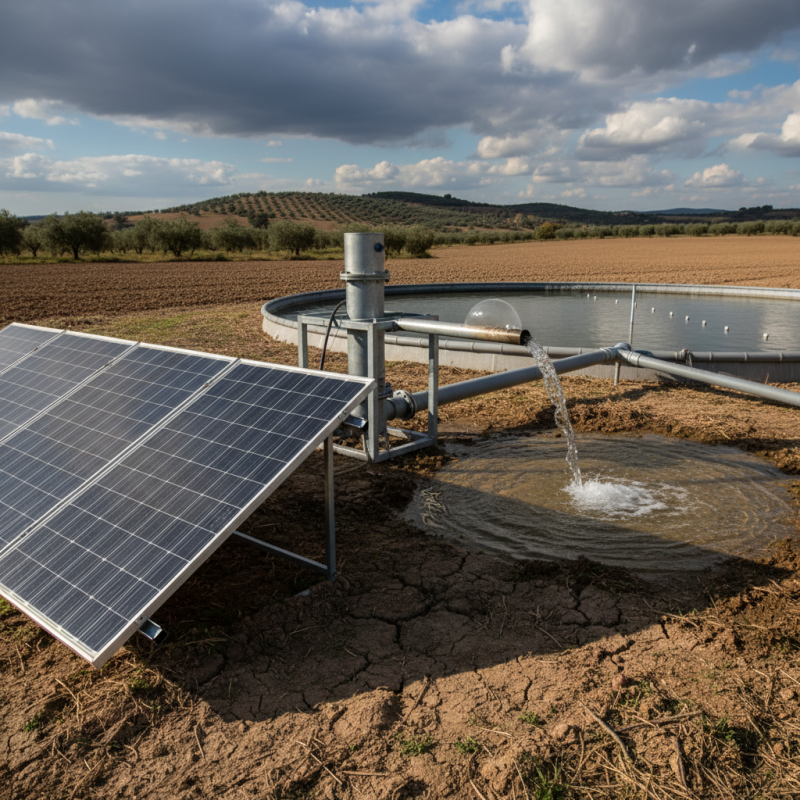
Why Does My Solar Pump Lose Pressure During Operation?

Causes of Pressure Loss in Solar Pumps During Operation

One common issue with solar pumps is pressure loss during operation. Understanding the causes can help in troubleshooting and ensuring efficiency. One reason for pressure drop is air leaks in the piping. These leaks disrupt water flow, leading to inconsistent pressure levels. Regularly check connections and seals for any signs of wear.

Another culprit is insufficient sunlight, which affects the pump's energy source. During cloudy days, the pump may work harder, causing pressure fluctuations. It's essential to monitor weather conditions. Installing a battery storage system can also help maintain pressure during low sunlight hours.

Lastly, an improperly sized pump for the system can lead to pressure issues. A pump that is too small may struggle to maintain adequate pressure. Conversely, an oversized pump might increase fluctuating pressure levels. Regular maintenance and assessments can address these concerns effectively. Consider adjustments and replacements when necessary.

Pressure Loss in Solar Pumps During Operation

Understanding the Functionality of Solar Pumps and Pressure Mechanisms

Solar pumps are essential for various applications, from agriculture to residential water supply. Understanding their pressure mechanisms is vital for optimal performance. When a solar pump loses pressure, it can lead to inefficiencies. Research shows that up to 30% of energy can be wasted due to pressure drops. This highlights a common issue among users, often stemming from improper installation or insufficient solar panel capacity.

Factors affecting pressure include the pump's design and the system's installation. Many users overlook the importance of maintaining clean filters and ensuring proper alignment. Reports indicate that nearly 25% of operational issues arise from such preventable factors. Additionally, environmental conditions such as temperature and sunlight intensity play a significant role. Fluctuations in these elements can drastically affect pressure levels. Users often express frustration over unexpected performance dips, leading to re-evaluation of maintenance routines.

Regular checkups are crucial. A proactive approach can prevent small issues from escalating into major failures. Solar pumps require observational maintenance and an understanding of their pressure dynamics. A well-maintained system can operate efficiently, minimizing pressure loss and ensuring a reliable water supply. Engaging with knowledgeable professionals can offer insights tailored to specific operational challenges.

Common Issues Leading to Pressure Drops in Solar Pump Systems

Solar pumps are essential for water distribution in various applications. However, users often experience pressure drops during operation. Several common issues can lead to this frustrating problem. Understanding these issues is crucial for maintaining optimal performance.

One major issue is air leaks in the system. Even small leaks can significantly affect pressure. Research indicates that as little as a 1% air leak can reduce efficiency by 5% or more. Regularly inspect fittings and joints to ensure a tight seal. Another potential cause is blockages in the pipes. Accumulated debris can restrict water flow. A clogged filter can similarly diminish pressure levels. Routine maintenance is vital to prevent these blockages.

Tip: Clean your filters regularly and check your pipes for any signs of blockage. Consider using strainers to catch debris before it enters the system.

Pump performance may also decline due to improper sizing. An undersized pump cannot maintain adequate pressure. According to industry standards, selecting the right pump size can increase efficiency by 20-30%. Re-evaluating your system setup may expose mismatches that need addressing.

Tip: Consult with a professional for guidance on pump size relative to your needs.

Monitoring these common issues will help identify problems early. Taking preventive measures can restore and maintain the pressure of your solar pump system effectively.

Why Does My Solar Pump Lose Pressure During Operation? - Common Issues Leading to Pressure Drops in Solar Pump Systems

Issue Description Possible Solutions Frequency of Occurrence
Air Locks Bubbles of air trapped in the pump or piping can reduce efficiency and pressure. Bleed the system to remove trapped air. Common
Clogged Filters Debris accumulation in filters restricts water flow, causing pressure drops. Regularly clean or replace filters. Frequent
Leaking Pipes Leaks in the plumbing can cause significant loss of pressure. Inspect and repair any leaks in piping. Occasional
Incorrect Sizing Pumps that are improperly sized may struggle to maintain pressure. Ensure pump size matches system requirements. Rare
Pump Malfunction Mechanical failures or wear in the pump can lead to pressure loss. Schedule regular maintenance and service the pump. Occasional

Maintenance Practices to Prevent Pressure Loss in Solar Pumps

Proper maintenance of solar pumps is crucial to prevent pressure loss during operation. Regular checks on the water supply lines ensure that there are no leaks or blockages. According to a recent report, up to 30% of pressure loss can be attributed to issues in the delivery system. Inspecting these lines monthly can significantly reduce problems.

Cleaning the pump regularly is essential. Dust and debris can accumulate, disrupting the pump's efficiency. Experts suggest a thorough cleaning at least every three months. Furthermore, replacing worn seals or filters promptly helps maintain optimal performance. A recent study indicated that pumps maintained regularly can operate at 90% efficiency, compared to just 70% for those neglected.

Monitoring the solar panel’s orientation is equally important. Panels that are not positioned correctly may underperform. This can lead to lower energy input and consequently reduce pressure output. Some users report a need to readjust panels bi-annually to keep them in peak condition. Consistent attention to these factors will ensure that your solar pump remains efficient and effective.

Troubleshooting Guide for Diagnosing Pressure Issues in Solar Pumps

Solar pumps can lose pressure during operation for several reasons. Identifying these issues can enhance performance and efficiency. Common problems include air leaks, blockages, or worn components. Each factor can severely impact your system’s ability to maintain adequate pressure.

Check for air leaks in your suction lines. Even small leaks can reduce pressure significantly. Inspect all connections and fittings for signs of wear. Ensure that seals are intact and replace any damaged parts.

Blockages in the system can hinder flow, leading to pressure drops. Regularly clean filters and check for debris in the pump. Remove any obstacles to ensure smooth operation.

**Tips:** Maintain your solar pump regularly. This includes checking fluid levels and ensuring that all components are functioning correctly. Pay attention to unusual noises, as they could indicate problems. If issues persist, seek professional assistance for a thorough examination of your system.

FAQS

: What are solar pumps used for?

: Solar pumps are essential for applications like agriculture and residential water supply.

What happens when a solar pump loses pressure?

When pressure drops, efficiency decreases. Up to 30% of energy can be wasted.

What causes pressure loss in solar pumps?

Pressure loss can result from improper installation, insufficient solar panel capacity, or maintenance issues.

How can I maintain my solar pump efficiently?

Regular maintenance is key. Clean filters, check alignments, and monitor for air leaks.

What should I do if my solar pump has blockages?

Regularly clean filters and check for debris. Remove any obstacles to maintain flow.

How do environmental factors affect solar pump performance?

Temperature and sunlight fluctuations can drastically impact pressure levels.

What signs indicate a problem with my solar pump?

Unusual noises or pressure drops are indicators. Check connections and seals for wear.

Why is regular checkup important for solar pumps?

Regular checkups prevent small issues from becoming major failures.

What should I do if I can't resolve a pressure issue?

Seek professional help for a thorough examination if problems persist.

Can I perform maintenance on my solar pump alone?

Yes, but engaging knowledgeable professionals can provide tailored insights and solutions.

Conclusion

In addressing the question, "Why does my solar pump lose pressure during operation?" it's essential to understand the various factors contributing to pressure loss in solar pump systems. Common reasons include air leaks in the system, blockages in the pipes, improper installation, and malfunctions in the pump itself. Understanding the functionality and pressure mechanisms of solar pumps can provide insight into these issues.

To mitigate pressure loss, regular maintenance practices should be implemented, such as checking for leaks, cleaning filters, and ensuring the solar panels are clean and functioning optimally. A thorough troubleshooting guide can assist users in diagnosing specific pressure issues, allowing for timely corrections and ensuring efficient operation of the solar pump system. By addressing these factors, users can maintain consistent pressure and optimize their solar pump's performance.

Sophia

Sophia

Sophia is a dedicated marketing professional with an exceptional depth of knowledge about her company's products and services. With a keen understanding of market trends and customer needs, she crafts insightful blog posts that not only inform but also engage readers, enriching the company’s online......