The efficiency of solar panels is a critical topic in renewable energy discussions. Over time, these systems can lose effectiveness, raising the question: "Why do solar panels lose efficiency over time?" Dr. Emily Turner, a leading expert in solar technology, has remarked, "The degradation of solar panels is an inevitable reality, influenced by various natural factors."
Solar panels generally experience a gradual decrease in efficiency due to exposure to elements like UV radiation, moisture, and temperature changes. Dust and dirt accumulation also play a significant role in blocking sunlight. These factors can significantly affect the energy output over the years. It is not uncommon for users to feel frustrated about the performance drop.
Every panel’s lifespan varies depending on its materials and installation conditions. Understanding the underlying reasons for efficiency loss is essential for users. This knowledge empowers owners to take preventive steps and optimize their energy systems. Solar technology continues to advance, yet the fundamental issues of degradation must be acknowledged. This reflection is vital in reassessing expectations regarding solar investments.
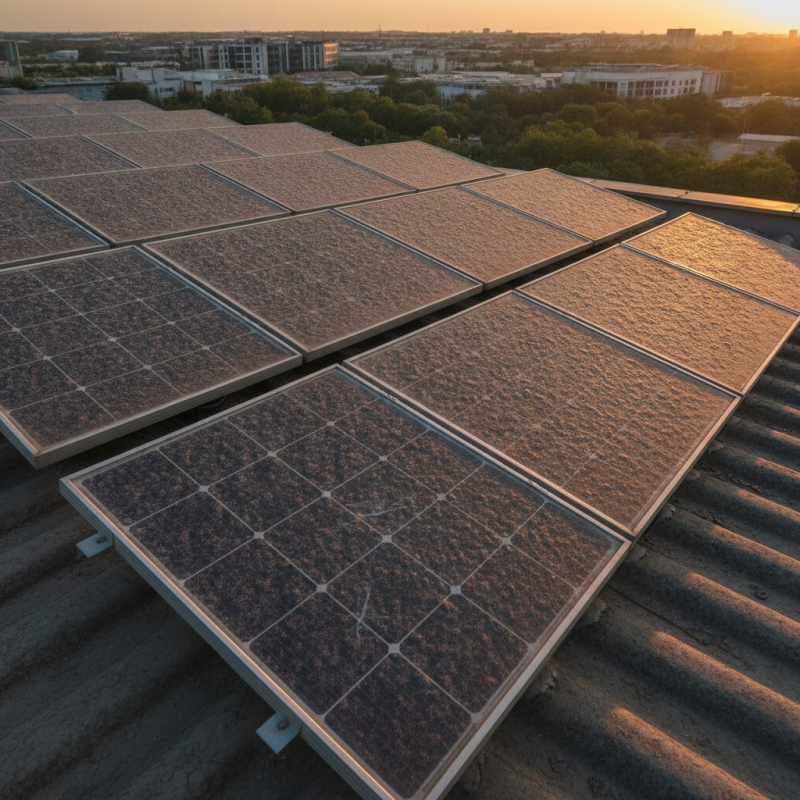
Understanding solar panel efficiency is crucial for maximizing energy output. Over time, solar panels can lose efficiency due to various factors. One significant reason is natural wear and tear. UV exposure and environmental conditions slowly degrade the materials, impacting performance. Dust and debris accumulation can further reduce energy absorption, highlighting the need for regular maintenance.
Tips: Regularly clean your solar panels to avoid dust buildup. This small act can lead to better efficiency and increased energy output. Consider scheduling maintenance checks annually to ensure optimal function.
Another factor is temperature. Higher temperatures can reduce a panel's efficiency. Installing panels with proper ventilation can help mitigate this issue.
Shading from trees or buildings can also hinder performance. Even partial shading can lead to a significant drop in energy production. Assess your installation site for any potential obstructions. It's essential to reassess your solar setup periodically to make necessary adjustments. These reflections can guide you in maintaining better efficiency over the lifespan of your solar investment.
Environmental factors significantly impact the efficiency of solar panels over time. Dust and dirt accumulation on the surface can block sunlight and reduce output. Regular cleaning can help maintain performance, but many homeowners neglect this simple task. Failure to audit panel cleanliness can lead to noticeable drops in energy production.
Weather conditions play a critical role too. Extreme temperatures can affect the efficiency of solar cells. Cold weather may enhance performance, while excessive heat reduces it. This variation influences energy output throughout different seasons. Moreover, heavy rainfall can wash away dirt, but too many cloudy days can frustrate overall energy generation.
Another factor often overlooked is shading from nearby trees or buildings. As plants grow, they can obstruct sunlight. This situation is particularly common in suburban areas. Regular assessment of surroundings is vital to ensure optimal sunlight access. By understanding these variables, homeowners can take proactive steps to mitigate efficiency loss. Relying solely on the solar system's initial performance without ongoing evaluations can lead to disappointments over time.
Solar panels are designed to last for decades, yet they do lose efficiency over time. One major factor is material quality. Panels made from high-quality components often exhibit slower degradation rates. In contrast, lower-quality materials may yield faster declines in performance.
Tips: Choose panels backed by strong warranties. These typically indicate higher quality and better longevity. Research the manufacturer’s history for insights into their material standards.
Environmental factors also play a significant role in degradation. Extreme temperatures, humidity, and exposure to UV rays can weaken the materials. For instance, excessive heat can impact the photovoltaic cells inside the panels. Such deterioration often leads to reduced energy output.
Tips: Regular maintenance helps inspect for signs of wear. Clean panels to avoid dirt accumulation, which can further hinder performance. Monitor energy production to catch declines early.
Solar panels can lose efficiency over time due to various maintenance issues. Dust, dirt, and debris accumulate on the surface, obstructing sunlight. This buildup can cause a loss of ten to twenty percent in energy production. Regular cleaning is essential for optimal performance.
Ensuring that the mounting system is secure is crucial too. Loose panels can shift, which may lead to misalignment. Misaligned panels receive less direct sunlight, diminishing output. Inspecting the installation periodically can save you from larger repairs later on.
Consider investing in routine professional inspections. Experts can identify potential issues before they escalate. They can assess electrical connections and check for signs of wear. Quick action leads to long-term efficiency.
Tips: Clean your panels every six months. Use mild soap and water. Monitor your energy output regularly to spot discrepancies early.
Technological advancements in solar panel design significantly contribute to their efficiency. Recent studies indicate that modern solar panels can achieve efficiencies of over 20%. This is a notable improvement from earlier models, which often struggled to exceed 10%. Innovations such as bifacial solar cells allow panels to capture sunlight on both sides. This technology boosts energy production, especially in areas with reflective surfaces.
Despite these advancements, solar panels still face efficiency losses over time. Research shows that typical degradation rates are around 0.5% to 1% per year. Factors like temperature fluctuations and environmental conditions play a crucial role. High temperatures can notably reduce a solar panel's output. Dust and debris accumulation can also obstruct sunlight, directly impacting performance.
Regular maintenance is vital to mitigate these efficiency losses. While technological improvements help, user awareness is equally important. Consumers should ensure panels are clean and positioned correctly. It’s essential to understand that even advanced systems require diligence to maintain optimal performance throughout their lifespan.
| Reason | Description | Efficiency Loss (%) |
|---|---|---|
| Aging | Over time, solar panels naturally degrade due to material fatigue. | 0.5 - 1.5 |
| Temperature | High temperatures can lead to decreased efficiency. | 1 - 2 |
| Dirt Accumulation | Dust and grime on panels block sunlight. | 5 - 20 |
| Shading | Nearby trees or buildings can cast shadows on panels, reducing output. | 20 - 100 |
| Electrical Failures | Malfunctions in the inverter or wiring can impact efficiency. | 1 - 10 |
| Inverter Issues | Poor inverter performance can lead to inefficiencies. | 5 - 15 |
| Material Degradation | The materials used can break down due to environmental exposure. | 0.5 - 2 |
| Installation Quality | Improper installation can lead to reduced performance. | 5 - 10 |
| Weathering | Extreme weather events and elements can degrade panel surfaces. | 1 - 4 |
| Panel Type | Different types of panels degrade at varying rates. | 1 - 3 |
: It helps maximize energy output and improve performance over time.
Natural wear, UV exposure, and environmental conditions can degrade materials.
Accumulation reduces energy absorption, so regular cleaning is essential.
Schedule annual maintenance checks to ensure everything is working well.
Higher temperatures can reduce efficiency; proper ventilation helps mitigate this.
Yes, even partial shading can significantly drop energy production.
Periodically, to identify potential obstructions and adjust as needed.
Yes, better quality materials lead to slower degradation rates over time.
Opt for panels with strong warranties indicating higher quality.
Regular maintenance and monitoring energy output help identify issues.
Solar panels are essential for sustainable energy, but many people wonder, "Why do solar panels lose efficiency over time?" Over the years, several factors contribute to this degradation. Environmental influences such as temperature fluctuations, dust accumulation, and severe weather can significantly impact solar panel performance. Additionally, the quality of materials used in manufacturing plays a crucial role; lower-grade materials tend to degrade faster, leading to reduced efficiency.
Maintenance is another pivotal aspect, as neglected panels can experience efficiency loss due to dirt, debris, and potential damage. However, advancements in solar panel technology are striving to mitigate these issues, with new designs and materials that enhance durability and performance. Understanding these factors enables users to make informed decisions and optimize their solar investments for the long run.

FLare Solar