In the field of renewable energy, maintaining solar street light batteries is crucial for optimal performance. Expert Dr. Emily Carter emphasizes, "Proper battery maintenance extends the lifespan and efficiency of solar lights." Understanding how to maintain solar street light batteries can save districts from costly replacements.
Battery maintenance involves monitoring the charge levels regularly. Many overlook this routine task, leading to underperformance. A simple check can prevent significant issues. Furthermore, keeping the batteries free of debris is essential. It may seem minor, but dirt can hinder effectiveness.
Additionally, extreme weather impacts battery performance. Regular assessments help in identifying potential risks from temperature fluctuations. Neglecting this aspect can lead to unexpected failures. Finding the right balance in maintenance is not always easy. Each situation presents unique challenges. Therefore, being proactive is essential for longevity and reliability.
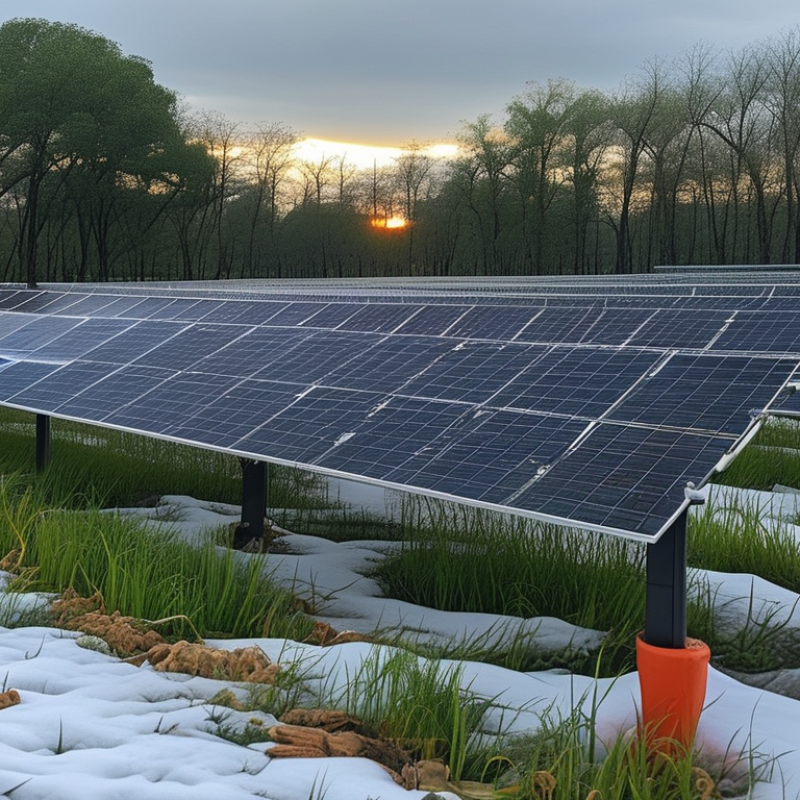
Solar street light batteries play a crucial role in the overall performance of renewable energy systems. These batteries store energy collected from solar panels during the day and power LED lights at night. According to a report by the International Renewable Energy Agency (IRENA), efficient energy storage systems can increase the effectiveness of solar street lights by up to 30%. This highlights the importance of choosing the right battery type and ensuring optimal maintenance.
Understanding the lifespan of solar batteries is essential. Most solar batteries, such as lithium-ion and lead-acid, have different longevity. For instance, lithium-ion batteries can last between 8 to 15 years, while lead-acid batteries typically last 3 to 5 years. Utilizing real-time monitoring systems can help assess battery health effectively. Yet, many users underestimate the need for regular maintenance checks. A regular inspection can prevent about 20% of battery-related failures, as even slight issues can lead to significant operational inefficiencies.
The environmental conditions where solar street lights operate can significantly influence battery performance. Extreme temperatures may shorten battery life. A study from the National Renewable Energy Laboratory found that temperatures outside the ideal range could decrease battery efficiency by up to 40%. Many systems fail to account for such factors, leading to inadequate performance. Understanding these variables is vital for maintaining the reliability of solar street light batteries.
: Regular maintenance ensures the longevity and reliable performance of solar batteries.
Dim lighting or flickering lights may signal battery degradation.
It's recommended to inspect battery connections at least twice a year.
Ideally, keep temperatures between 20°C and 25°C for battery longevity.
Wipe down batteries with a soft, damp cloth to remove dirt and grime.
If it discharges within hours, check for corrosion and consider replacement.
Charge them to around 50% before storage to prevent sulfation.
Excessive heat can damage batteries and reduce their overall lifespan.
Keeping records helps identify patterns and predict eventual battery failures.
Yes, different batteries may have unique care requirements based on their specifications.
How to maintain solar street light batteries" is essential for ensuring the long-term functionality and efficiency of solar street lighting systems. Firstly, it’s crucial to understand the types of batteries used in solar street lights and the role they play in energy storage during daylight. Various factors, such as environmental conditions and battery quality, can significantly affect their lifespan.
To properly maintain these batteries, best practices include regular cleaning, periodic checks of connections, and ensuring that the solar panels are unobstructed. Recognizing signs of battery deterioration, such as decreased performance or physical damage, allows for timely interventions. Additionally, adhering to optimal charging and storage techniques, including avoiding overcharging and storing in appropriate temperatures, can significantly extend the life of solar street light batteries. By following these guidelines, users can enhance the reliability and longevity of their solar street lighting systems.

 FLare Solar