How to Integrate Smart Controls into Solar Street Lights?

Time:2026-06-13 Author:Sienna
0%

Smart controls are transforming the way we manage urban lighting, especially in solar street lights. These controls enhance energy efficiency, improve maintenance, and ensure better safety. Understanding how to integrate smart controls into solar street lights is essential for modern urban design. It involves leveraging advanced technology and adopting innovative methods.

The integration process is not straightforward. It requires expertise in both solar technology and smart control systems. Cities must evaluate their current infrastructure and identify areas for improvement. Pilot projects can help in assessing the effectiveness of smart controls. However, challenges exist, such as budget constraints and technical know-how. Often, the results may not meet initial expectations, prompting a need for re-evaluation.

Navigating these complexities demands a collaborative approach. Stakeholders, including city planners, engineers, and technology providers, must work closely. This collaboration helps ensure that the integration of smart controls not only meets immediate needs but also adapts to future advancements. As cities strive to create sustainable environments, understanding how to integrate smart controls into solar street lights will become increasingly crucial.
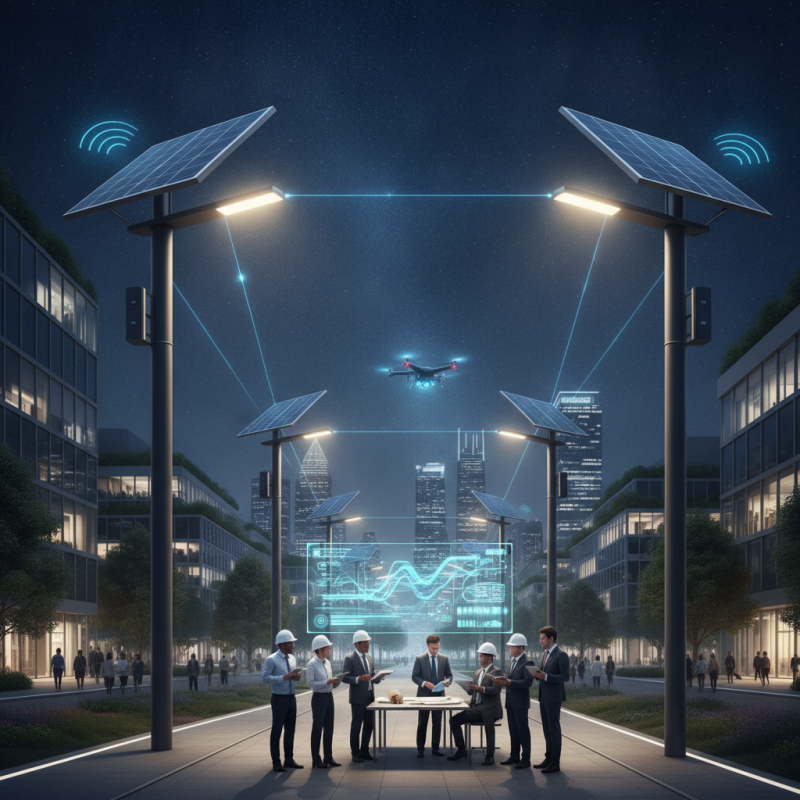
How to Integrate Smart Controls into Solar Street Lights?

Understanding the Role of Smart Controls in Solar Street Lighting Systems

Smart controls play a vital role in solar street lighting systems. These controls enhance efficiency and ensure that lights operate only when needed. By adjusting brightness based on surrounding light levels, smart controls can prolong battery life. This technology adapts to changing conditions, allowing for better energy management and reducing waste.

Incorporating smart controls requires careful planning. Sensors need to be installed strategically to optimize their effectiveness. These systems can sometimes fail if not calibrated properly. Regular maintenance checks are also essential to ensure reliability. Despite advancements, there can be challenges in integrating different components. Compatibility issues may arise, leading to inefficiencies in the system.

Data analytics is another important aspect. By collecting usage data, cities can make informed decisions about energy needs. This data can reveal patterns that help adjust street lighting based on foot traffic, enhancing safety. However, reliance on technology introduces risks. Systems can be vulnerable to failures or cyber threats. Continuous improvement and updates are necessary to maintain a secure and efficient solar lighting system.

Integration of Smart Controls in Solar Street Lights

Types of Smart Controls Commonly Used in Solar Street Lights

Smart controls have become essential for enhancing solar street lights. These systems improve efficiency and reliability. Here are some common types of smart controls used in solar street lights.

One popular type is motion sensors. These sensors automatically adjust light intensity based on pedestrian or vehicle movement. When no activity is detected, the lights dim, conserving energy. This feature not only saves power but also extends the lifespan of the solar panels. However, false triggers can occasionally occur, leading to lighting issues.

Another common smart control is remote monitoring systems. These systems allow for real-time tracking of light performance and battery status. Users can receive alerts for maintenance needs or component failures. Yet, reliance on technology can sometimes lead to confusion, especially during updates or system malfunctions.

Tips: When selecting smart controls, consider the specific needs of your location. Energy efficiency and user-friendliness are crucial. Keep in mind that while technology offers great benefits, a straightforward design often performs better in the long run.

How to Integrate Smart Controls into Solar Street Lights? - Types of Smart Controls Commonly Used in Solar Street Lights

Control Type Description Benefits Common Applications
Motion Sensors Detects motion and adjusts lighting accordingly. Energy savings, enhanced safety. Parks, pathways, residential areas.
Photocells Automatically turns lights on/off based on ambient light levels. Autonomous operation, energy-efficient. Streets, parking lots, urban areas.
Remote Monitoring Allows for real-time tracking and management of street lights from a distance. Improved maintenance, data analytics. Municipal infrastructure, smart cities.
Dimming Controls Adjusts light intensity based on time of day or activity levels. Enhanced safety, significant energy savings. Urban streets, remote areas, pedestrian zones.
Smart Scheduling Programmed schedules for light operation based on usage patterns. Cost efficiency, optimal resource utilization. Commercial districts, event venues.

Key Benefits of Integrating Smart Controls into Solar Street Lights

Integrating smart controls into solar street lights offers numerous benefits that enhance their functionality. Smart controls can adjust brightness based on movement detection. This feature significantly conserves energy. By dimming lights in low-traffic areas, municipalities can reduce energy costs. The sensors allow for more efficient resource management, which promotes sustainability.

Another key benefit is remote monitoring. City managers can oversee lighting systems through a centralized platform. This capability enables quick responses to outages or malfunctions. Technicians can identify issues without manual inspections, saving time and reducing maintenance costs. However, relying on technology does pose risks, such as system vulnerabilities that could lead to failures.

Enhanced data collection represents another advantage. Smart controls gather information about usage patterns. This data helps cities make informed decisions about future lighting projects. While the potential for improved urban planning is exciting, there's a need for caution. Misinterpreting data can lead to inefficient designs or spending. Careful analysis is vital for maximizing the benefits of smart controls in solar street lighting.

Case Studies: Successful Implementations of Smart Controls in Solar Lighting

Intelligent control systems have been a game changer in solar street lighting. Recent studies show that cities implementing smart controls can save up to 30% on energy costs. One remarkable case is in the city of San Diego, where smart sensors adjusted brightness based on pedestrian presence. This not only reduced energy usage but also enhanced safety.


Another study from the Solar Energy Industries Association highlights a project in London. They integrated real-time monitoring systems into solar lights. This allowed for immediate fault detection, reducing maintenance costs by nearly 50%. Flexibility in operation meant lights could dim during low traffic hours, significantly lowering overall consumption.


Despite these successes, challenges remain. Some cities struggle with system integration and face high upfront costs. Additionally, ensuring reliable connectivity can be a hurdle in more remote areas. Continuous evaluation is essential to refine these systems, ensuring they meet local needs effectively. The balance between cost and performance will shape future implementations.

Future Trends in Smart Control Technology for Solar Street Lighting

The integration of smart controls into solar street lighting is gaining momentum. Current trends reveal that about 30% of street lighting worldwide is being automated. Smart controls enhance energy efficiency and maintenance scheduling, providing data-driven analytics. This shift suggests a growing investment in Internet of Things (IoT) technology.

Notably, a recent report from Markets and Markets forecasts the smart street lighting market is poised to grow at a CAGR of 24.5% from 2022 to 2027. This growth indicates a significant move toward sustainable urban development. Smart controls enable adaptive lighting based on ambient conditions and human presence. This technology can reduce energy consumption by nearly 60%.

Challenges remain in full integration. Many cities lack the necessary infrastructure. Moreover, varying standards create obstacles for universal implementation. Some areas may struggle to justify the initial investment despite long-term savings. Future trends indicate a need for collaboration among stakeholders. Reliable data collection and sharing will be critical to optimize deployment. As cities evolve, so must their approach to smart street lighting.

FAQS

: What role do smart controls play in solar street lighting systems?

: Smart controls enhance efficiency by ensuring lights operate only when necessary. They adjust brightness based on surrounding light levels, optimizing battery life.

What types of smart controls are commonly used?

Common types include motion sensors and remote monitoring systems. Motion sensors adjust light intensity based on movement, while remote systems track performance and battery status.

How do motion sensors benefit solar street lighting?

Motion sensors conserve energy by dimming lights when no activity is detected. This extends the lifespan of solar panels. However, false triggers can occur, causing lighting issues.

What is the significance of data analytics in solar street lighting?

Data analytics helps cities make informed energy decisions. It reveals patterns based on foot traffic, enhancing safety but also introduces risks if systems fail.

What are common challenges with smart control systems?

Issues include system integration difficulties and compatibility problems. Regular maintenance is crucial. If not calibrated properly, systems may fail to operate effectively.

How can cities ensure successful implementation of smart controls?

Careful planning and strategic sensor installation are key. Regular checks for reliability help. Balancing cost and performance is essential for sustainability.

What benefits can cities see from smart controls?

Cities can save up to 30% on energy costs. Safety improves as lights adjust to pedestrian presence, but upfront costs and connectivity can be challenging.

How do remote monitoring systems assist in solar street lighting?

They provide real-time tracking of performance. Users receive alerts for maintenance needs, though updates can cause confusion during malfunctions.

What is a potential drawback of relying heavily on technology?

Systems can be vulnerable to failures or cyber threats. Continuous updates and improvements are necessary to maintain security and efficiency.

How important is simplicity in the design of smart controls?

A straightforward design often performs better in the long run. User-friendliness and energy efficiency should be prioritized for effective implementation.

Conclusion

The article "How to Integrate Smart Controls into Solar Street Lights?" explores the essential role of smart controls in enhancing the functionality and efficiency of solar street lighting systems. It outlines various types of smart controls commonly deployed, including motion sensors, remote monitoring, and adaptive brightness features. The integration of these technologies provides numerous benefits, such as energy savings, improved safety, and longer operational lifespans for lighting infrastructure.

Furthermore, it highlights case studies showcasing successful implementations where smart controls significantly improved the performance of solar street lights. Looking ahead, the article discusses future trends in smart control technology, emphasizing their potential to transform urban lighting solutions. Overall, understanding how to integrate smart controls into solar street lights is crucial for optimizing these systems in modern smart cities.

Sienna

Sienna

Sienna is a skilled marketing professional with a deep expertise in our company’s core products and services. With a passion for innovation and detail, she plays a pivotal role in crafting insightful blog posts that not only highlight the unique features of our offerings but also provide valuable......