China’s top 10 solar pump motors are built for demanding farms, wells, and remote water systems. Yet even a well-designed motor can fail early when installation and maintenance are neglected. This guide examines how to extend the lifespan of solar pump motors through practical, field-tested care.
Solar energy researcher Dr. Arif Hepbasli has stated, “Energy efficiency is not only a design issue; it is also an operation and maintenance issue.” This principle matters in real installations. A dusty solar panel can reduce voltage. Low voltage can increase motor stress. Sand in the water can wear an impeller, seal, and bearing within months.
Regular inspection should begin with simple evidence. Check cable joints for moisture. Listen for unusual vibration. Measure operating current against the manufacturer’s rating. Clean panels after dust storms, especially in dry regions. A technician should also inspect water levels before running the pump continuously. Dry running remains one of the fastest ways to damage a solar pump motor.
Some advice is less convenient. Bigger motors do not always provide longer service. Poorly matched controllers, undersized cables, and blocked filters can quietly shorten operating life. Maintenance records may feel unnecessary. They are not. Record dates, current readings, water output, and unusual sounds. Small changes often reveal larger faults.
The answer is not perfect.
Reliable lifespan depends on design, water quality, climate, and daily operating habits. Even China’s strongest solar pump motors need thoughtful care.
Understanding China’s Top 10 Solar Pump Motors
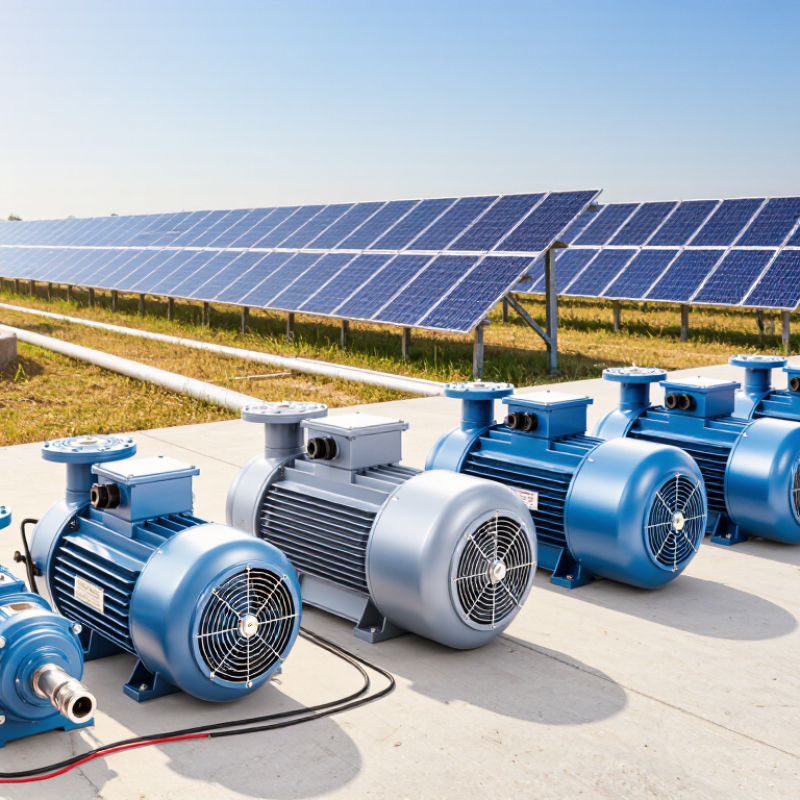
China’s top 10 solar pump motors should be compared by performance, not appearance. A useful review examines efficiency, starting current, heat control, sealing, and controller compatibility. These factors affect daily water delivery and long-term reliability. Motors with strong insulation can handle hot pump rooms and changing outdoor temperatures. Corrosion-resistant housings also matter near wells, farms, and coastal areas.
In real installations, correct sizing extends motor life more than marketing claims. The motor should match the pump head, flow rate, solar array, and local sunlight. Oversized systems may waste energy. Undersized systems may run continuously and overheat. Technicians should check cable joints, grounding, dry-run protection, and ventilation during commissioning. A clean inlet screen prevents sand from damaging the pump assembly. Field experience shows that small installation errors often create large repair costs. I have seen this overlooked.
Tips: Clean the inlet screen monthly. Check unusual vibration early. Keep connectors dry and tightly sealed. Inspect insulation before the rainy season. Allow the motor to stop when the well level falls. Record running hours and current readings. These simple notes help identify wear before failure. However, maintenance schedules should follow the motor’s manual and actual site conditions. Solar output changes with dust, shade, and seasonal weather. That detail is easy to underestimate.
The chart uses common solar-pump motor power and voltage configurations found in China’s market. The figures are engineering planning ranges rather than manufacturer warranty claims. Clean water, correct voltage, dry operation protection, proper alignment, cooling, surge protection, and scheduled bearing and seal inspections can help extend motor service life.
China’s top solar pump motors differ sharply in type and system compatibility. Brushless DC motors suit small, off-grid pumps because they connect efficiently with direct-current panels. They also avoid brush wear. AC induction motors remain practical for larger installations, especially when an inverter supplies stable three-phase power. Permanent-magnet motors usually deliver higher efficiency at partial load, but their controllers cost more and require careful protection.
Power ratings must match the well, not only the panel label. A 1.5 kW motor may lift water efficiently from a shallow borehole, while a 5.5 kW unit may be necessary for deeper pumping or higher flow. Hydraulic head, pipe friction, and daily water demand decide the real requirement.
IRENA reported that solar photovoltaic electricity costs fell by 90% between 2010 and 2023, improving pumping economics, but cheaper energy does not excuse poor sizing. Oversized motors can suffer from frequent starts. Undersized motors can overheat at noon.
Compatibility deserves a field check. Confirm the motor’s voltage range, controller type, starting current, and maximum power-point tracking function. A DC pump connected to unstable voltage may run loudly and shorten bearing life. Use dry-run protection, a screened inlet, and surge protection near the controller.
Keep dust away from cooling fins. Small details matter. The World Bank’s solar water pumping guidance stresses lifecycle design and maintenance, yet many installations still treat maintenance as optional.
I would also review seasonal sunlight, because a pump sized from one bright month can disappoint during winter. No ranking can replace measured flow, head, and operating temperature.
Installing solar pump motors correctly supports reliable, long-term operation. Begin with a firm, level base that limits vibration and protects the motor from standing water. Match the motor, pump, controller, and solar array according to voltage, current, head, and flow requirements. A poor match can cause overheating, unstable starting, or weak water delivery.
Tips: Keep cable runs short and use weather-resistant, correctly sized cables. Seal every connection against moisture. Install suitable overload and dry-run protection. Check polarity before energizing the system. Small wiring mistakes can become expensive failures.
During commissioning, observe the motor during startup. Listen for unusual noise and check for excessive vibration, heat, or fluctuating output. Record the operating current and water flow for future comparison. In dusty areas, clean ventilation surfaces regularly. In rainy regions, inspect cable glands and junction boxes after severe weather. The installation may look finished, but hidden moisture often appears later.
Use a qualified technician for electrical work and follow local safety requirements. Inspect mounting bolts, pipe supports, and protective devices at planned intervals. Do not run the pump without adequate water unless the equipment is designed for it. Real sites are rarely perfect; shade, sediment, and changing water levels can affect performance. Rechecking the system after seasonal changes is often overlooked. That habit can prevent early motor damage.
Solar pump motors work under heat, dust, moisture, and changing sunlight. Regular maintenance prevents many common failures before they stop water delivery. Inspect the motor housing every two weeks. Look for cracked seals, loose bolts, corrosion, or unusual vibration. Keep ventilation openings clear of mud and leaves. A blocked cooling path can raise winding temperature quickly.
Check cable insulation and terminal connections after storms. Damaged insulation may cause current leakage or intermittent operation. Tighten terminals carefully, but do not crush the cable lugs. Measure operating voltage and current with a calibrated meter. Readings that suddenly rise or fall can indicate overload, poor wiring, or a failing controller. Listen for grinding sounds. They often suggest worn bearings or debris near the rotating parts.
Water quality also affects service life. Sand can wear mechanical seals and reduce pump efficiency. Install suitable filtration where the water source contains sediment. Lubricate only components approved by the motor manufacturer. Excess grease attracts dust and may damage seals. I once treated a noisy motor as a minor issue, and the bearing failed days later. That mistake reinforced the value of early inspection. Maintenance records should include dates, readings, repairs, and weather conditions. No checklist is perfect. Technicians should review it after each failure and adjust the routine.
Practical maintenance measures for photovoltaic water-pumping motor systems
| No. | Maintenance Area | Recommended Action | Recommended Interval | Typical Warning Sign | Failure Prevented |
|---|---|---|---|---|---|
| 1 | Keep Solar Modules Clean | Remove dust, bird droppings, leaves, and other shading sources. Use clean water and a soft brush; avoid abrasive tools. | Every 2–4 weeks, or after dusty weather | Lower daytime pump output | Low-voltage operation, controller restarts, and motor overheating caused by insufficient power |
| 2 | Inspect Electrical Connections | Check cable terminals, MC4-type connectors, grounding points, fuses, and isolators for looseness, corrosion, or heat discoloration. | Monthly and after severe weather | Intermittent operation or burnt odor | Voltage drop, arcing, short circuits, and controller damage |
| 3 | Protect Against Dry Running | Maintain a functioning water-level sensor or probe and confirm that the pump stops before the source is empty. | Test monthly and before dry seasons | High noise, vibration, or no discharge | Loss of water lubrication, seal damage, impeller wear, and motor overheating |
| 4 | Clean Intake Screens and Filters | Remove sand, algae, grass, and sediment from intake screens. Replace damaged or heavily clogged filter media. | Every 1–3 months, depending on water quality | Reduced flow with rising current | Pump cavitation, blocked passages, overload trips, and premature wear |
| 5 | Monitor Voltage and Current | Record operating voltage and current under similar sunlight conditions and compare readings with the motor and controller nameplate limits. | Monthly | Current consistently above rated value | Winding overheating, insulation breakdown, and repeated overload shutdowns |
| 6 | Check Motor Cooling | Keep air-cooled motor vents clear and ensure submersible units remain fully immersed within their specified operating conditions. | Monthly and during high-temperature periods | Hot housing or thermal trips | Thermal aging of insulation, bearing damage, and reduced motor life |
| 7 | Inspect Pump Seals and Bearings | Look for water leakage, abnormal bearing noise, shaft play, and excessive vibration. Replace worn components with compatible parts. | Every 6–12 months | Grinding sound or visible leakage | Moisture ingress, shaft damage, vibration-related failure, and motor seizure |
| 8 | Control Pressure and Flow | Confirm that pipe diameter, lift height, valves, and discharge pressure remain within the pump duty range. Avoid prolonged dead-heading. | Quarterly and after plumbing changes | Low flow, pressure fluctuation, or high current | Hydraulic overload, overheating, cavitation, and impeller damage |
| 9 | Protect the Controller | Install the controller in a shaded, dry, ventilated enclosure. Keep cable glands sealed and inspect surge protection after storms. | Inspect monthly; test after lightning events | Fault codes, resets, or display failure | Overheating, moisture damage, electrical surges, and erratic motor control |
| 10 | Maintain a Service Log | Record runtime, flow, voltage, current, cleaning, alarms, repairs, and unusual sounds to identify trends early. | Update at every inspection | Gradual performance decline | Undetected wear, repeat failures, emergency downtime, and avoidable repair costs |
Safety note: Isolate the photovoltaic array and pump circuit before electrical inspection or mechanical servicing. Follow the motor, pump, and controller manufacturer’s rated limits and maintenance instructions.
Solar pump motors work under changing sunlight, dust, moisture, and water loads. Monitoring these conditions helps extend service life, especially for China’s top 10 solar pump motors.
Check motor current during bright midday operation. A sudden increase may indicate blocked pipes, worn bearings, or a failing impeller. Record the readings weekly. Small changes are easier to investigate than a complete shutdown.
Listen carefully. Unusual grinding, clicking, or humming often appears before visible damage. Check vibration around the motor housing and inspect cable connections for moisture or loose terminals. Keep ventilation openings clean, because trapped dust raises operating temperature. Excessive heat is a warning.
Timely repairs should follow measured symptoms, not guesswork. A technician can test insulation resistance, shaft alignment, bearing condition, and terminal tightness. Replace damaged seals before water reaches the winding. Do not ignore minor leaks. They rarely remain minor.
I once assumed a noisy bearing could run for another month. It failed during a cloudy week, when replacement access was difficult. That mistake showed the value of maintenance records and spare parts. Still, monitoring is not perfect. A quiet motor may hide insulation damage, so scheduled electrical testing remains necessary. After repairs, compare current, temperature, vibration, and flow against earlier records. Reliable maintenance depends on repeated evidence, not one inspection.
Compare efficiency, starting current, heat control, sealing, insulation, and controller compatibility. Appearance is not enough. Performance matters.
Match the motor with pump head, flow rate, solar capacity, and local sunlight. An oversized system may waste energy. An undersized motor may overheat.
Check cable joints, grounding, dry-run protection, ventilation, and connector sealing. Keep connectors dry. Small errors can create expensive repairs.
Clean it monthly, especially near wells or sandy fields. A blocked screen can reduce flow and damage pump components.
Watch for unusual grinding, clicking, humming, vibration, rising current, or excessive heat. These signs often appear before failure. Do not ignore them.
Record current readings weekly during bright midday operation. Also record running hours, temperature, vibration, and water flow.
Use dry-run protection and allow the motor to stop. Running without enough water can damage seals, bearings, and windings.
Arrange inspection after abnormal readings, leaks, noise, or heat increases. Test insulation, shaft alignment, bearings, and terminals. Do not guess.
Dust, shade, rain, moisture, and seasonal sunlight can change motor performance. Inspect insulation before the rainy season. Keep ventilation openings clean.
A quiet motor may still have insulation damage. I once underestimated a noisy bearing, and it failed during a cloudy week. Records help, but they are not perfect.
China’s top 10 solar pump motors represent a range of solutions for agricultural irrigation, water supply, drainage, and other off-grid applications. Choosing the right motor requires comparing motor types, power ratings, flow requirements, pumping head, and compatibility with the solar array, controller, battery system, and local sunlight conditions. Proper installation is equally important: secure mounting, correct wiring, adequate ventilation, reliable grounding, and protection from moisture, dust, overheating, and voltage fluctuations can support stable long-term operation.
To understand how to extend the lifespan of solar pump motors, users should establish a regular maintenance routine. This includes cleaning solar panels, checking electrical connections, inspecting cables and seals, monitoring vibration, temperature, current, water output, and listening for unusual sounds. Early detection of dry running, blocked pipes, bearing wear, corrosion, or controller faults allows timely repairs before minor issues become serious failures. With suitable system matching, careful installation, continuous monitoring, and scheduled servicing, solar pump motors can deliver more reliable performance and a longer working life.
FLare Solar