In the world of renewable energy, solar pumps have gained significant traction. However, their efficiency can be influenced by various environmental factors. Renowned expert Dr. Sarah Thompson states, “Understanding what environmental factors affect solar pump performance is essential for optimizing their use in diverse conditions.”
Solar pumps rely heavily on sunlight. Weather conditions, such as cloud cover and temperature, can dramatically impact their efficiency. For instance, high temperatures can enhance performance, while extreme heat may lead to overheating. Similarly, dust accumulation on solar panels can reduce output, posing a challenge in arid regions.
Moreover, geographical location plays a crucial role. Areas with consistent sunlight lead to better efficiency. Yet, solar pumps may not perform optimally in regions with sporadic weather patterns. Evaluating these factors is critical. It’s a complex equation of location, weather, and maintenance. Each aspect needs careful consideration to ensure solar pumps operate at their best.
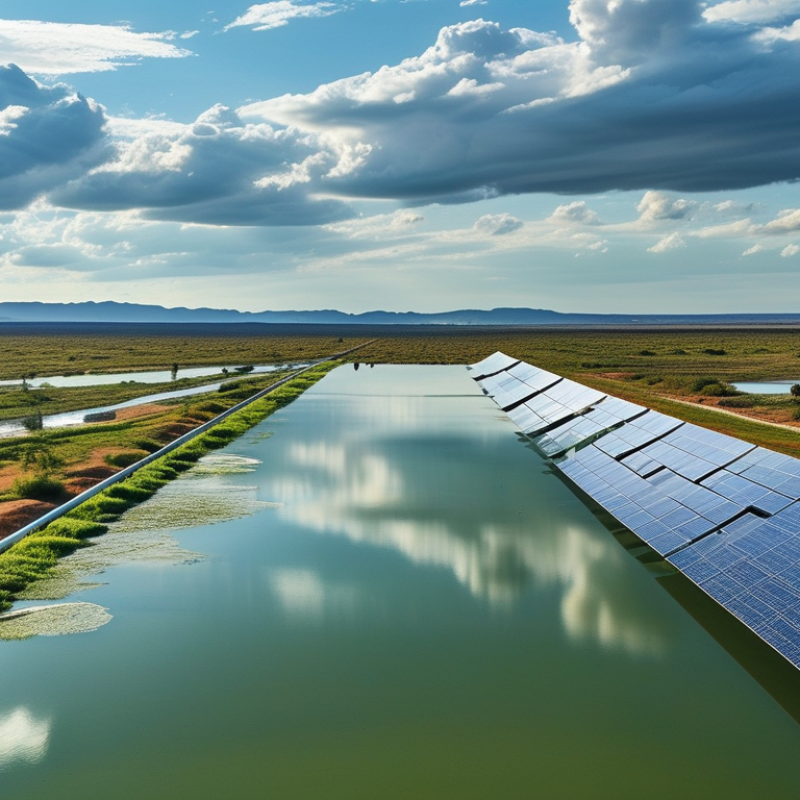
Understanding Solar Pump Efficiency: An Overview
Solar pumps are an innovative solution for harnessing solar energy to move water efficiently. Understanding solar pump efficiency is crucial for optimizing their performance. Several environmental factors impact this efficiency significantly. Temperature can affect the performance of solar panels and the pump itself. Excessive heat may decrease efficiency, while cooler climates can help maintain optimal outputs.
Sunlight availability also plays a vital role. In regions with consistent sunlight, solar pumps perform better. However, seasonal changes can introduce variability. Cloud cover and shade from nearby structures can lead to fluctuations in energy production. It's important to assess your location's solar potential.
Water quality is another factor often overlooked. Impurities in water can affect the pump components, leading to maintenance issues. Regular check-ups and using appropriate filtration can mitigate such problems. Additionally, the design and installation of the pump system can either enhance or hinder efficiency. Each of these elements requires thoughtful consideration to ensure reliable operation. Understanding these factors can make a significant difference in your solar pump setup.
Top 10 Environmental Factors Impacting Solar Pump Efficiency
| Factor |
Impact Description |
Efficiency Impact (%) |
| Solar Radiation |
Direct exposure to sunlight enhances energy generation. |
20-30% |
| Temperature |
High temperatures can reduce the efficiency of the solar panels. |
10-15% |
| Humidity |
High humidity can affect solar panel performance due to water condensation. |
5-10% |
| Dust and Debris |
Accumulation leads to less sunlight hitting the solar cells. |
15-20% |
| Wind Speed |
Adequate wind can cool panels but excessive can damage them. |
Variable |
| Tilt Angle |
Proper angle maximizes sunlight exposure. |
10-25% |
| Shading |
Shadows from buildings or trees can significantly reduce efficiency. |
50-80% |
| Cloud Cover |
Overcast skies can reduce solar output. |
20-40% |
| Altitude |
Higher altitudes can receive more intense solar radiation. |
5-15% |
| Seasonal Variations |
Change in seasons affects sunlight hours and intensity. |
15-25% |
Solar Radiation Intensity and Its Effect on Performance
Solar radiation intensity plays a critical role in the efficiency of solar pumps. When sunlight is strong, solar panels can convert that energy into electricity more effectively. This increased energy results in better performance for solar-powered devices. Under optimal conditions, solar pumps can operate at their highest capacity, enhancing water delivery. However, variations in weather can impact these ideal conditions.
On cloudy days, solar radiation diminishes. Reduced sunlight leads to lower energy production from the solar panels. Consequently, the pump's performance declines. Additionally, extreme temperatures can also affect efficiency. High heat may lead to overheating and decreased output. It's essential to monitor these environmental factors for optimal results.
Proper installation is vital for maximizing efficiency. Solar panels should be positioned to receive maximum sunlight throughout the day. Regular maintenance is crucial, too. Dust and debris can block sunlight, reducing effectiveness. Understanding these factors helps users make informed decisions. It’s not always perfect, and adjustments may be needed as conditions change.
Temperature Variations and Their Influence on Solar Pumping
Temperature significantly influences solar pump efficiency.
High temperatures may enhance energy production but can also pose challenges.
Solar panels operate optimally
between 15°C and 35°C. Beyond this range, efficiency decreases.
Overheating can cause energy loss and reduce the lifespan of solar components.
In colder environments, solar pumps may underperform.
Snow and ice can obstruct sunlight, resulting in decreased energy generation.
However, colder temperatures can also improve the efficiency of PV cells.
There’s a balance here that requires careful consideration.
When temperatures drop, the risk of freezing water in the pump can create additional challenges.
Regular maintenance is essential.
Managing temperature variations is crucial for solar pump systems.
Local climate plays a crucial role. Understanding seasonal changes helps in planning solar pump deployment.
Effective insulation and heating solutions may mitigate cold weather issues.
Each site presents unique challenges related to temperature. A customized approach will lead to better functionality and longevity.
Wind Speed and Its Role in Solar Pump Efficiency
Wind speed significantly influences the efficiency of solar pumps. According to research from the Renewable Energy Institute, wind can enhance the cooling effect on solar panels. This cooling effect can lead to a more efficient energy transfer, improving the overall performance of solar pumps. When wind speed exceeds 5 meters per second, the cooling benefits become pronounced, often leading to a notable increase in energy output.
However, high wind speeds can also pose challenges. Solar panels can experience increased wear and tear due to strong gusts. A study showed that wind gusts over 15 meters per second can lead to structural damage. This raises critical questions about the placement and durability of solar installations in windy areas. Beyond energy output, the maintenance costs can escalate if installations are not properly assessed for wind impact.
Furthermore, the interaction between wind and solar energy can vary across different regions. Data indicate that areas with consistent wind patterns might benefit from hybrid systems. These systems take advantage of both solar and wind resources. Such an approach could optimize energy production but requires careful planning. Factors like local climate and site conditions must always be considered when designing solar pump systems to ensure longevity and efficiency.
Soil Conditions: Impact on Energy Transfer and Pump Operation
Soil conditions play a crucial role in the efficiency of solar pumps. The type of soil affects water retention and nutrient availability. Sandy soils drain quickly, while clay soils retain moisture but may create compaction issues. Each of these characteristics influences energy transfer to the pump. For instance, pumps may struggle to operate effectively in extremely dry or overly saturated soils.
The composition of the soil can also impact the installation of the pump. High clay content can lead to poor drainage, affecting the pump's operation. Operators often overlook soil analysis during the installation phase. This neglect can lead to inefficiencies and increased maintenance. Observing the soil's texture, permeability, and organic matter is essential for optimal performance. The right conditions can enhance energy transfer, making the pump's operation smoother.
Monitoring soil moisture levels is vital for pump efficiency. Dry conditions may restrict water flow, while too much moisture can lead to operational failures. Regular soil assessments and adjustments can prevent these issues. Understanding soil characteristics allows for better planning and maintenance of solar pumps, ultimately improving their efficiency and reliability in various environmental conditions.
Top 10 Environmental Factors Impacting Solar Pump Efficiency
This chart illustrates the impact of various soil conditions on solar pump efficiency. The data reflects average efficiency percentages based on different soil types and moisture levels.
FAQS
: Temperature, sunlight availability, and water quality significantly impact efficiency. Each requires careful assessment.
High temperatures can reduce efficiency. Ideal panel performance is between 15°C and 35°C.
Excess heat can decrease efficiency and lifespan. Cold weather may hinder performance due to ice.
Consistent sunlight improves performance. Cloud cover can disrupt energy production and efficiency.
Impurities can damage pump components. Regular maintenance and filtration are essential to prevent issues.
Moderate winds enhance cooling, improving energy output. However, strong winds can cause structural damage.
Yes, assessing wind patterns is crucial for durability. Poor placement can increase maintenance costs.
Seasonal changes affect sunlight and temperature, complicating performance. A tailored approach is necessary.
Cold can block sunlight with snow. Frozen water in pumps can create additional maintenance challenges.
Regular check-ups ensure reliability and efficiency. Neglecting maintenance can lead to performance drops.
Conclusion
The efficiency of solar pumps is greatly influenced by various environmental factors. Understanding how these elements interact is crucial for optimizing performance. Key factors include solar radiation intensity, which directly affects energy generation; variations in temperature, which can impact both pump operation and energy efficiency; and wind speed, which can alter the overall effectiveness of solar systems. Additionally, soil conditions play a significant role by affecting energy transfer and the operational dynamics of the pump.
In summary, what environmental factors affect solar pump performance includes elements such as sunlight availability, temperature fluctuations, wind conditions, and surrounding soil characteristics. By analyzing and addressing these factors, it becomes possible to enhance the efficiency and reliability of solar pumping systems, paving the way for improved sustainability in water management.

 FLare Solar