Choosing the right LED for solar street lighting is crucial. What is the best LED for solar street lighting? This question haunts many city planners and environmental advocates. The right LED ensures efficiency and longevity, impacting energy consumption and maintenance costs.
Many factors influence this decision, including brightness, color temperature, and energy efficiency. An LED's lumen output determines how bright it shines. Lower-quality LEDs may save money initially but lead to higher replacement costs. It's crucial to balance upfront costs and long-term savings.
Moreover, the environment affects performance. Extreme temperatures can diminish LED life and brightness. Selecting an LED built for your local climate is essential. Finding the perfect balance requires thoughtful consideration and a willingness to adapt. This guide will help you navigate the complexities of selecting the best LED for solar street lighting.
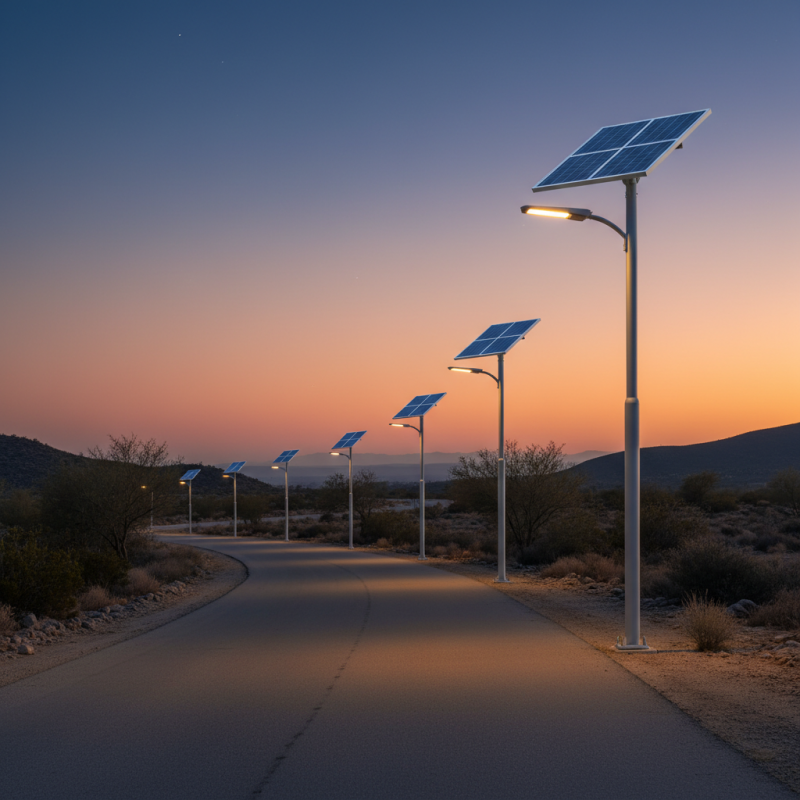
Understanding the basics of LED technology is vital for effective solar street lighting. LED (Light Emitting Diode) lights are gaining popularity, mainly due to their energy efficiency. According to the U.S. Department of Energy, LEDs use at least 75% less energy compared to traditional incandescent bulbs. This efficiency translates to longer operational life, often exceeding 25,000 hours.
When selecting LEDs for solar street lighting, consider the lumen output. For street lighting, a minimum of 1,200 lumens is recommended. This ensures adequate illumination for safety and visibility. Color temperature also plays a crucial role; many prefer a cooler white light (between 4000K to 5000K) for better visibility.
It's also important to note some challenges. Not all LEDs perform well under varying temperatures. Some lose efficiency in very cold or hot conditions, which can affect street safety. Additionally, while most LEDs are durable, they can fail early if not properly matched with the solar power system. Understanding these nuances is essential for making informed decisions in solar street lighting implementation.
| Parameter | Description | Typical Value |
|---|---|---|
| Lumens Output | The amount of light produced by the LED | 1000 - 15000 lm |
| Color Temperature | The warmth or coolness of the light, measured in Kelvin | 3000K - 6000K |
| Wattage | The amount of power the LED consumes | 20W - 100W |
| Beam Angle | The angle at which light is emitted from the source | 90° - 180° |
| Lifespan | The expected operational life of the LED | 50,000 hours |
| IP Rating | Ingress Protection rating against dust and water | IP65 - IP67 |
| Dimming Capability | Ability to adjust the brightness of the LED | Yes |
Choosing the right LED for solar street lighting involves critical considerations.
Brightness is a primary factor. Measured in lumens, adequate output is essential for safety.
A well-lit street discourages crime and aids navigation. Too bright can cause glare, while too dim can be ineffective.
Color temperature impacts visibility and ambiance. Warmer lights create a welcoming environment, while cooler lights offer clarity.
Energy efficiency is also vital. LEDs should consume less power, maximizing solar benefits.
Additionally, the durability of components matters greatly. Solar LED lights often endure harsh weather.
Quality materials can resist corrosion and impact damage.
It’s crucial to reflect on the environmental context. Urban areas may require different specifications than rural settings.
Light pollution is another consideration. Balancing brightness and environmental impact is essential.
Every detail, from placement to wattage, affects overall performance. Misjudgment in any area can lead to unsatisfactory results.
When selecting LEDs for solar street lighting, understanding the different types is crucial. Common LED types include SMD, COB, and traditional ones. Each has unique benefits and drawbacks. For instance, SMD LEDs (Surface-Mounted Diodes) are known for their high efficiency and compact size. They produce bright light, perfect for illuminating roads.
However, SMDs can have a shorter lifespan if not used properly. The heat disbursement may lead to degradation over time. COB LEDs (Chip on Board) offer better thermal management and higher brightness with fewer chips. They are excellent for larger areas, but their initial cost can be a hurdle. Traditional LEDs, while often cheaper, may not have the same energy efficiency.
Understanding these characteristics helps in making informed decisions. It is essential to consider location and purpose. Solar street lighting must be reliable in various weather conditions. Also, the effectiveness of light distribution influences safety and visibility at night. The right choice can enhance urban security and reduce energy consumption. Reflecting on these factors is vital for achieving long-term benefits.
When choosing LED lights for solar street lighting,
lumen output
and energy efficiency are critical factors. Lumen output measures the brightness of the light.
According to the U.S. Department of Energy, a good street light typically produces between
4,000 to 12,000 lumens. This range ensures adequate visibility for safety
without causing light pollution. Selecting the right lumen output can significantly enhance
nighttime visibility for pedestrians and vehicles alike.
Energy efficiency also plays a vital role in the overall performance of solar street lighting.
High-quality LEDs consume less power while providing greater brightness. Reports suggest that
modern LEDs can achieve up to 150 lumens per watt, making them far superior to
traditional lighting options. This efficiency can lead to significant savings on energy costs
and lower carbon footprints. However, it's crucial to evaluate the solar panel capacity
and battery life to ensure that the entire system can sustain the desired performance
over time.
While high lumen output and energy efficiency are essential, not every LED will meet these
criteria consistently. Factors such as temperature, installation angle, and surrounding
environment can impact performance. Reflecting on these elements is necessary to optimize
the lighting system. Balancing these factors can lead to enhanced safety and sustainability
in urban infrastructure.
When selecting LEDs for solar street lighting, considering their lifespan and durability is crucial. Outdoor environments are challenging for any lighting solution. Extreme temperatures, humidity, and UV exposure can degrade performance over time. High-quality LEDs typically boast an operational lifespan of over 25,000 hours in proper conditions. However, not all products meet this standard in real-world applications.
Durability involves more than just lifespan. The materials used in LEDs affect their resistance to environmental stressors. Poorly constructed LEDs may fail prematurely. Look for products designed with robust housings and protective coatings. These features help withstand impacts and prevent moisture intrusion. While some cheaper options may seem appealing, they often compromise on these vital aspects.
It's important to keep in mind that even the best LEDs can struggle in harsh conditions. Consistent maintenance and monitoring are necessary. Checking for water buildup or signs of wear can extend the lifespan of your lighting system. Real-world testing shows that regular inspections can identify issues early. This proactive approach safeguards your investment and ensures reliable lighting in the long run.
: LED stands for Light Emitting Diode. It is energy-efficient lighting technology.
LEDs use at least 75% less energy than traditional bulbs, extending operational life significantly.
A minimum of 1,200 lumens is necessary for adequate safety and visibility in street lighting.
Cool white light between 4000K to 5000K is preferred for better visibility and safety on streets.
Extreme temperatures, humidity, and UV exposure can significantly degrade LED performance over time.
No, not all LEDs function effectively in extreme climates. Some lose efficiency in cold or hot weather.
The materials used for construction, protective coatings, and housing design are crucial for durability.
Regular inspections help identify issues like water buildup and can extend the lifespan of the lighting system.
Cheaper options may compromise durability, failing prematurely under harsh conditions.
Consistent maintenance, including monitoring and inspections, is essential for reliable lighting in the long run.
Choosing the best LED for solar street lighting involves understanding the fundamentals of LED technology and how it can be effectively applied in outdoor environments. Key factors to consider include the specific requirements of solar applications, such as energy efficiency, lumen output, and the durability of the LEDs. A comparative analysis of different LED types reveals their efficacy in terms of performance, which is crucial for ensuring adequate illumination and longevity in street lighting.
To determine what is the best LED for solar street lighting, one must evaluate the lumen output and energy efficiency to achieve optimal results. Additionally, assessing the lifespan and durability of LEDs in various outdoor conditions will help in making an informed decision. Ultimately, a well-researched selection process will ensure that the chosen LED delivers reliable and effective lighting solutions for solar street applications.

FLare Solar