How to Calculate Solar Pump ROI for Farms Effectively?

Time:2026-07-02 Author:Henry
0%

The agricultural sector is undergoing a significant transformation with the rise of renewable energy. Solar pumps are increasingly popular for farms seeking sustainability and efficiency. However, many farmers grapple with a crucial question: "How to calculate solar pump ROI for farms?" Understanding this can drive better investment decisions.

According to the National Renewable Energy Laboratory, solar energy can reduce operational costs by up to 75%. This statistic emphasizes the potential financial benefits of solar pumps. Yet, calculating the return on investment (ROI) can seem daunting. Various factors influence ROI, including installation costs, energy savings, and maintenance expenses. Despite this complexity, effective calculations can reveal valuable insights into long-term gains.

With over 1.5 million farms in the U.S. alone, the potential for solar pump adoption is vast. However, farmers must critically assess their unique situations. Not all farms will experience equal benefits. Understanding local climate conditions, water needs, and specific crop types is essential. These factors can lead to significant variances in ROI across different farms.
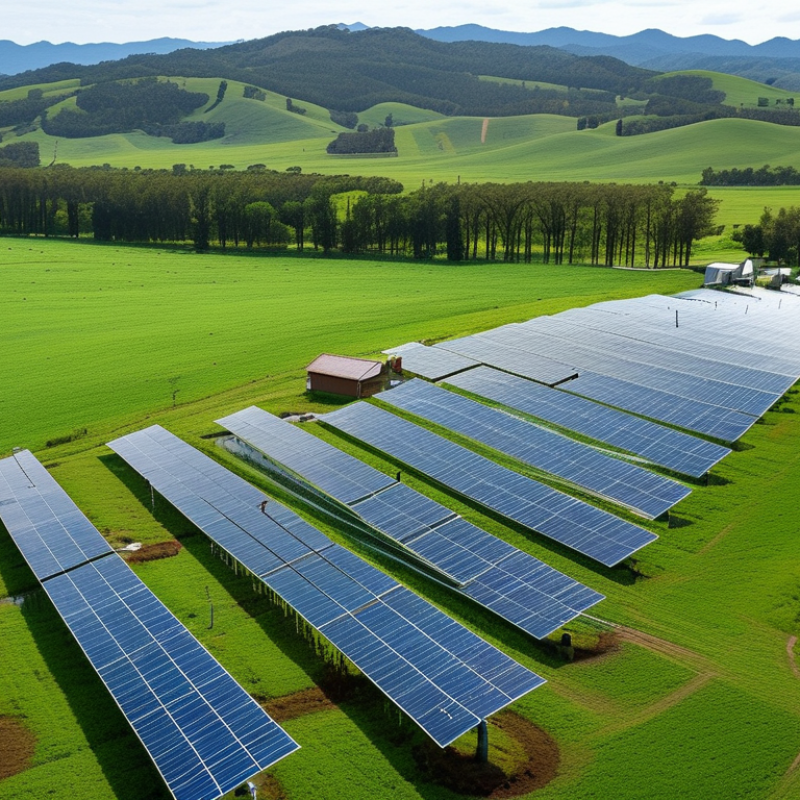
How to Calculate Solar Pump ROI for Farms Effectively?

Understanding Solar Pump ROI: Key Concepts for Farmers

Understanding Solar Pump ROI is crucial for farmers. With the increasing need for sustainable farming, solar pumps present an effective solution. According to a 2022 industry report, farmers can realize an ROI of 20% to 30% within the first five years of installation. This figure can vary based on energy savings, water availability, and crop yield increases.

Tips: Assess your local sunlight conditions. More sunlight typically means better performance. Regular maintenance of solar panels can also enhance efficiency, leading to improved returns.

Farmers should consider initial expenses, such as installation and equipment costs. However, these costs can be offset by savings on electricity bills and lower operational expenses. A recent study noted that many farms save about $1,000 annually after installing solar pumps. Yet, some farmers may overlook this potential for savings, focusing instead on short-term costs.

Tips: Keep track of changes in water usage. Adjustments in crop irrigation needs can impact overall savings. By understanding water consumption patterns, farmers can fine-tune their systems for optimal performance.

Identifying Cost Components of Solar Pump Installation and Operation

When calculating the ROI of solar pump installations for farms, understanding cost components is crucial. The primary costs include equipment, installation, and maintenance. Equipment costs vary based on pump size and solar panel capacity. Farmers must assess their specific needs to maximize efficiency. Installation costs may include labor and infrastructure adjustments. Each farm's unique layout can impact these expenses.


Ongoing operational costs are another factor to consider. These include energy costs, which can be minimal due to solar energy. However, maintenance is a recurring expense that should not be overlooked. Regular inspections ensure the system operates effectively. Farmers may face unexpected repairs, impacting long-term ROI.


It's essential to evaluate financing options too. Upfront costs may deter some farmers. Grants and incentives can mitigate these initial expenses. Furthermore, understanding the local climate can help in predicting performance. A well-calibrated system can enhance productivity, leading to higher returns. However, fluctuating weather patterns can create uncertainties in energy production. Therefore, cautious planning is necessary to assess potential risks and rewards accurately.

Calculating Energy Savings and Water Usage Efficiency with Solar Pumps

The efficiency of solar pumps in farming has gained significant attention. Not only do these systems reduce energy costs, but they also enhance water usage efficiency. According to the U.S. Department of Energy, using solar energy for irrigation can lead to savings of up to 90% on energy costs. This statistic highlights the financial benefits for farmers investing in solar technology.

Energy savings can vary based on several factors, including the size of the farm and the local climate. A study from the National Renewable Energy Laboratory revealed that solar pumps can provide up to 30% more efficiency compared to traditional diesel pumps. This statistic emphasizes the potential environmental impact as well. Water usage efficiency improves with solar-powered systems, ensuring crops receive adequate irrigation without waste.

Despite the clear advantages, some challenges persist. The initial investment can be substantial, which may deter farmers. Moreover, not all locations have sufficient sun exposure to guarantee optimal performance. Evaluating local conditions is vital before investing. Proper calculations are essential to achieve accurate ROI projections. Farmers must weigh the initial costs against long-term savings to make informed decisions regarding solar pump installations.

How to Calculate Solar Pump ROI for Farms Effectively?
Farm Size (Acres) Initial Investment ($) Annual Energy Savings ($) Annual Water Usage Improvement (Gallons) ROI (%)
10 $15,000 $2,000 20,000 13.33%
15 $22,000 $3,500 30,000 15.91%
20 $30,000 $4,500 50,000 15.00%
25 $40,000 $6,000 70,000 15.00%
30 $50,000 $7,500 90,000 15.00%

Assessing Long-term Financial Benefits and Payback Period of Solar Pumps

Investing in solar pumps can yield significant long-term financial benefits for farms. A report by the National Renewable Energy Laboratory (NREL) shows that farms can save up to 50% on energy costs after switching to solar power. By reducing energy expenses, farmers can allocate funds to other important areas, such as crop research or equipment upgrades.

The payback period for solar pump systems typically ranges from 5 to 10 years. This timeframe depends on multiple factors, including installation costs and solar energy incentives. In some regions, rebates can cover 30% of the initial investment, significantly shortening the payback period. However, farms must consider local weather conditions. Inconsistent sunlight can affect energy production, leading to variability in savings.

Moreover, choosing the right solar pump size is crucial. Overestimating requirements can lead to wasted resources. Accurate assessment of water needs is essential for optimal performance. While solar technology is improving, it may not always meet peak demands without battery storage. These considerations can affect the overall ROI and should be carefully evaluated by farmers before making a decision.

Evaluating Environmental Impact and Sustainability of Solar Pump Investments

Investing in solar pumps is not just about cost savings; it also significantly impacts the environment. Farms that adopt solar energy reduce their carbon footprint. The shift to renewable energy sources helps mitigate climate change. This transition supports biodiversity by lowering greenhouse gas emissions. When farmers evaluate solar pump investments, they should consider these positive environmental impacts.

While the benefits are clear, challenges exist. Initial installation costs can be daunting. Farmers must analyze not only financial returns but also ecological implications. How will solar pumps affect local ecosystems? Are there potential disruptions to land use? Research suggests that thoughtful planning can minimize risks. Engaging local experts also enhances investment reliability. Constructive feedback from the community may unearth unforeseen issues.

Understanding the long-term sustainability of solar pumps is essential. These systems require maintenance but offer durability. Regular assessments help ensure optimal performance. A thorough evaluation of both initial and ongoing costs is crucial. Farm owners should gather data over time to observe changes in energy usage. Balancing economic viability with environmental stewardship remains a complex but rewarding journey.

ROI Analysis of Solar Pumps for Farms

This chart illustrates the Return on Investment (ROI) for solar pumps compared to traditional pumps based on a 5-year analysis. The data reflects the cumulative savings and costs associated with each type of pump over this period.

FAQS

: What is the expected ROI for solar pump installations?

: Farmers can see a 20% to 30% ROI within five years. This depends on energy savings and crop yields.

How can farmers improve solar pump efficiency?

Regular maintenance of solar panels and assessing local sunlight conditions enhance performance and returns.

What are the main costs associated with solar pump installation?

Key costs include equipment, installation, and maintenance. Each farm’s layout influences these expenses significantly.

How much can farmers save on energy bills with solar pumps?

Many farmers save approximately $1,000 annually after installation. However, some might overlook these savings.

What factors affect energy savings from solar pumps?

Energy savings vary based on farm size, local climate, and initial investment, which can be substantial.

Why is tracking water usage important for farmers with solar pumps?

Understanding changes in water needs impacts overall efficiency and savings, allowing for system adjustments.

What financing options are available for solar pump installations?

Grants and incentives can help mitigate upfront costs. Evaluating financing is crucial for farmers.

Are solar pumps effective in all locations?

Not all areas receive enough sunlight for optimal performance. Local conditions must be evaluated before investing.

What maintenance is required for solar pump systems?

Regular inspections are necessary. Ignoring maintenance can lead to unexpected repairs and affect ROI negatively.

What challenges do farmers face with solar pump investments?

High initial costs and fluctuating weather patterns can create uncertainties in energy production and performance.

Conclusion

In the realm of modern agriculture, understanding "How to calculate solar pump ROI for farms" is crucial for farmers looking to optimize their investments. This process begins with comprehending key concepts of ROI and identifying the various cost components associated with solar pump installation and operation. By carefully analyzing the energy savings achieved and the efficiency of water usage, farmers can better assess their financial outlay against the benefits garnered from solar pond systems.

Additionally, evaluating the long-term financial advantages, including the payback period, helps in making informed decisions. Beyond monetary gains, the environmental impact of solar pump investments also plays a significant role in promoting sustainability in farming practices. Overall, a comprehensive approach to calculating solar pump ROI can empower farmers to achieve greater efficiency and profitability while contributing to eco-friendly agricultural methods.

Henry

Henry

Henry is a dedicated marketing professional with a profound expertise in the company's offerings. With years of experience in the industry, he possesses an impressive understanding of the market dynamics and consumer behaviors that drive success. Henry is committed to sharing his insights through......