In the realm of sustainable agriculture, understanding how to prevent solar pumps from running dry is essential. Dr. Emily Chen, a solar energy expert, emphasizes, “Innovation in water management is vital for maximizing solar system efficiency.” Solar pumps play a crucial role in irrigation, and their longevity depends on proper management. Running these pumps dry can lead to costly damages and ineffective water supply.
A common oversight is assuming that all solar pumps can operate without consistent water input. Regular monitoring of water levels is necessary. Additionally, integrating low-water sensors can alert operators before a dry run occurs. These strategies could save both time and money in the long run.
While many farmers adopt solar pumps to improve sustainability, the complexities of their operation can be challenging. Without careful planning, farmers might find themselves with unexpected downtimes. Engaging with industry best practices can highlight ways to mitigate risks. The expertise in water management is more than just knowledge; it is about implementing solutions that ensure your pump operates efficiently throughout its lifespan.
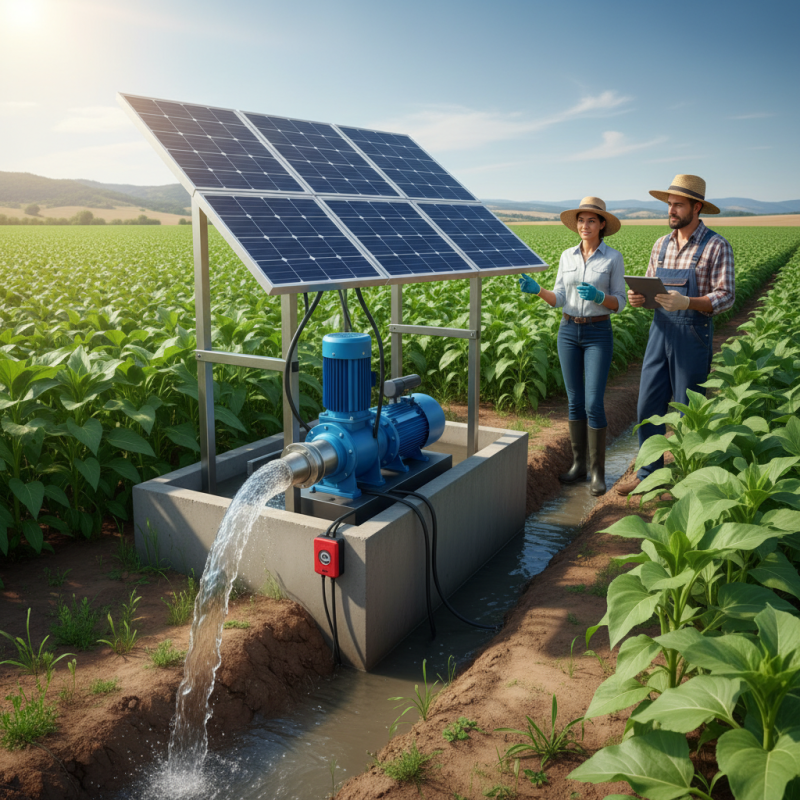
Sizing solar pumps appropriately is crucial for preventing dry running. A pump that is too small may not draw enough water. This can lead to overheating and serious damage. Conversely, an oversized pump can waste energy and lead to excessive wear. Therefore, understanding the specific needs of your application is essential.
To size a pump correctly, consider your water source and its varying levels. Measure the maximum and minimum water levels in your well or reservoir. This ensures the pump operates within safe parameters. It is also wise to factor in the distance the water must travel. This influences the pump's performance significantly. Regularly check the water supply. Changes in seasonal rainfall can affect your water levels, thus impacting pump operation.
Maintenance is equally vital. A well-maintained pump will handle varying load conditions better. Even with the best sizing, neglecting regular checks can lead to unforeseen issues. Keep an eye on system performance and listen for unusual sounds. This can be a hint that something isn't right. Consider installing float switches that prevent the pump from running dry. This simple addition can save you from costly repairs and ensure smoother operation.
Water level sensors play a crucial role in solar pump systems. They help prevent pumps from running dry. A dry pump can lead to severe damage and costly repairs. With sensors in place, you can monitor water levels continuously. This ensures the pump operates only when sufficient water is available.
Tips for ensuring your solar pump operates effectively include regular maintenance checks. Inspect sensors for any dust or debris that could cause malfunctions. Clean them to maintain accurate readings. Additionally, consider installing multiple sensors at different levels. This can provide a more comprehensive overview of water availability.
It's essential to keep an eye on your watering schedules too. Over-watering can lead to sensor issues. Understand the water requirements of your plants to avoid unnecessary strain on the system. Remember, even reliable systems can fail if not properly managed. Regular monitoring and adjustments can help you achieve optimal performance.
Regular maintenance is crucial for keeping solar pumps operating efficiently. According to industry reports, improper maintenance accounts for approximately 30% of pump failures. A proactive approach can help prevent unexpected downtime and costly repairs. Checking the pump regularly for debris, leaks, or wear can reveal issues before they escalate.
Daily inspections are essential. Look for unusual noises or vibrations. These could indicate wear or misalignment. Clean the filter screen often. Clogged screens can lead to reduced efficiency or overheating. Regular lubrication of moving parts can also minimize wear.
Consider seasonal check-ups as well. Extreme weather can affect performance. In colder months, ensure that the pump is insulated against freezing. Sun exposure can wear down materials over time, so inspect seals and housings frequently. Understanding your pump's operating history helps identify patterns or recurring issues. Keep comprehensive records of all maintenance activities. This practice enhances reliability and performance consistency.
Implementing flow rate controls can significantly enhance the longevity of solar pumps. These controls help prevent dry run damage, a common issue that arises when the pump operates without sufficient water. When pumps run dry, overheating and internal damage may occur, leading to costly repairs.
One effective tip is to install flow sensors. These devices monitor water flow and shut off the pump if the flow drops below a certain threshold. This proactive approach avoids the potential hazards of dry running. Regularly checking and calibrating these devices is crucial to ensure they function accurately.
Another practical strategy is using variable frequency drives (VFDs). VFDs adjust the pump speed based on real-time demand. This not only minimizes energy waste but also protects the pump from running dry. Additionally, ensure that all components in the pumping system are adequately sized and installed. Miscalculations can lead to unexpected dry running incidents. Remember, little adjustments can save you from extensive damage later.
| Method | Description | Benefits |
|---|---|---|
| Flow Rate Sensors | Install sensors to monitor flow rate and detect low flow conditions. | Immediate alerts and prevention of dry running. |
| Automatic Shutoff | Implement automatic shutoff systems that engage in low flow scenarios. | Enhanced safety and reduced wear on pumps. |
| Regular Maintenance | Schedule routine maintenance checks to ensure proper functioning. | Extended pump life and improved efficiency. |
| Pump Size Selection | Select the appropriate size of pump based on system requirements. | Optimized performance and reduced risk of dry running. |
| Flow Rate Controls | Install flow controls to regulate water intake and prevent dry conditions. | Maintains consistent operation even under varying conditions. |
| Water Level Sensors | Use sensors to monitor water levels in tanks and reservoirs. | Prevents pump operation when water levels are low. |
| Variable Frequency Drives | Employ drives that adjust pump speed based on demand and flow. | Improved energy efficiency and reduced strain on pumps. |
| Emergency Backup Systems | Create backup systems that kick in if primary systems fail. | Ensures continued operation during failures. |
| Data Monitoring Systems | Implement systems that track performance and provide data analytics. | Identifies issues before they lead to pump damage. |
Automatic shut-off valves are a critical component in preventing solar pumps from running dry. These valves act as a safeguard, automatically cutting off the flow of water when pressure drops too low. According to a report by the International Renewable Energy Agency (IRENA), integrating smart valve technology can reduce pump failures by up to 40%. This statistic highlights the effectiveness of these valves in protecting against dry running.
Moreover, the implementation of automatic shut-off systems can enhance the longevity of solar pumps. A study from the Pump Systems Matter initiative emphasizes that neglected dry runs can decrease efficiency by up to 30%. Such inefficiencies lead to increased maintenance costs and potential system failures. In contrast, installing these automatic systems can offer both operational savings and performance reliability.
However, it’s essential to regularly assess these valves. Sometimes, they can malfunction or fail to activate under certain conditions. Unaddressed, this can lead to catastrophic outcomes. Understanding the maintenance requirements and performing routine checks can ensure that your solar pump system operates smoothly and efficiently. Investing in reliable shut-off technology is not only a smart decision but a necessary one for long-term sustainability.
This chart illustrates the effectiveness of various methods to prevent solar pumps from running dry. Each method is rated by its effectiveness percentage, showcasing the importance of automatic shut-off valves and other protective measures.
: Water level sensors prevent pumps from running dry, avoiding severe damage and costly repairs.
Regular maintenance checks are vital. Inspect sensors for dust, and clean them to ensure accurate readings.
Over-watering can cause sensor issues and strain the pump system. Monitor watering schedules carefully.
Daily inspections are recommended to catch unusual noises, vibrations, or wear early.
Insulate pumps in winter against freezing. Inspect seals and housings for wear due to sun exposure.
These valves prevent pumps from running dry by automatically cutting off water flow when pressure drops.
Yes, they enhance longevity by reducing maintenance costs and improving overall system efficiency.
A malfunctioning valve can lead to catastrophic outcomes, making regular assessments critical.
Maintain comprehensive records of all maintenance activities. This helps identify recurring issues.
About 30% of pump failures stem from improper maintenance. A proactive approach helps avoid unexpected downtimes.
To effectively address the question of how to prevent solar pumps from running dry, several best practices should be implemented. First, accurately sizing solar pumps based on the specific requirements of the application is crucial. This ensures that the pump can accommodate the necessary water levels, minimizing the risk of dry running. Incorporating water level sensors into the system provides real-time monitoring, alerting users when water levels drop too low.
Additionally, routine maintenance is vital for keeping solar pumps operating efficiently. Regular checks and servicing can help identify potential issues before they escalate. Implementing flow rate controls and utilizing automatic shut-off valves further enhances protection against dry run risks, ensuring the pump halts operation when water flow is insufficient. By following these guidelines, users can significantly reduce the likelihood of damage due to dry running.

FLare Solar