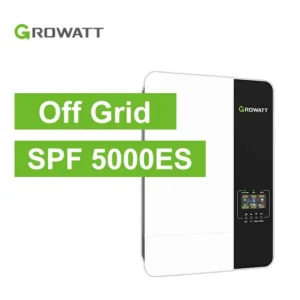
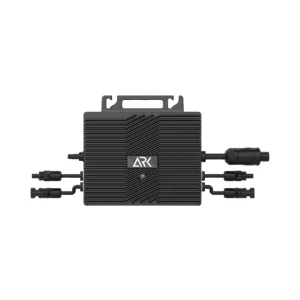
Pre-tested and fully certified inverter technologies customized for the ACT's distributed solar installations, ensuring seamless compliance with Evoenergy electrical networks.
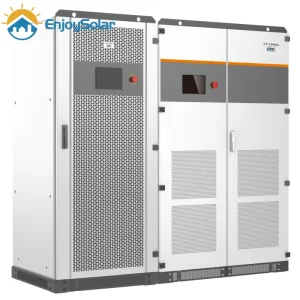
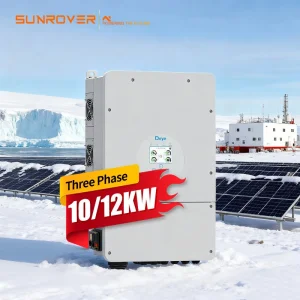
The Australian Capital Territory (ACT) has solidified its global stance as a clean energy pioneer, achieving 100% renewable electricity target since 2020. However, the next phase of Canberra’s transition focuses on complex decentralization—shifting towards local commercial microgrids, electric vehicle fleet support, and virtual power plant (VPP) deployment. For commercial property owners, government structures, and industrial hubs in Fyshwick, Mitchell, and Hume, the challenge lies in deploying solar inverter systems capable of maintaining network stability under extreme load shifts.
Evoenergy, the local Distribution Network Service Provider (DNSP) in Canberra, mandates rigorous technical guidelines for Distributed Energy Resources (DER). Grid integration is no longer just about feeding electricity; it requires advanced active power response modes, high voltage ride-through capabilities, and strict reactive power regulation (Volt-Var and Volt-Watt response curves) governed by the benchmark standard AS/NZS 4777.2:2020.
Ningbo FLare Solar Co., Ltd. (operating globally under the premier brand ApexSolar) answers this challenge. Leveraging decades of experience in high-reliability IoT systems, smart energy networks, and high-efficiency hybrid structures, we design inverters that transform local generation nodes into active grid-stabilizing assets.
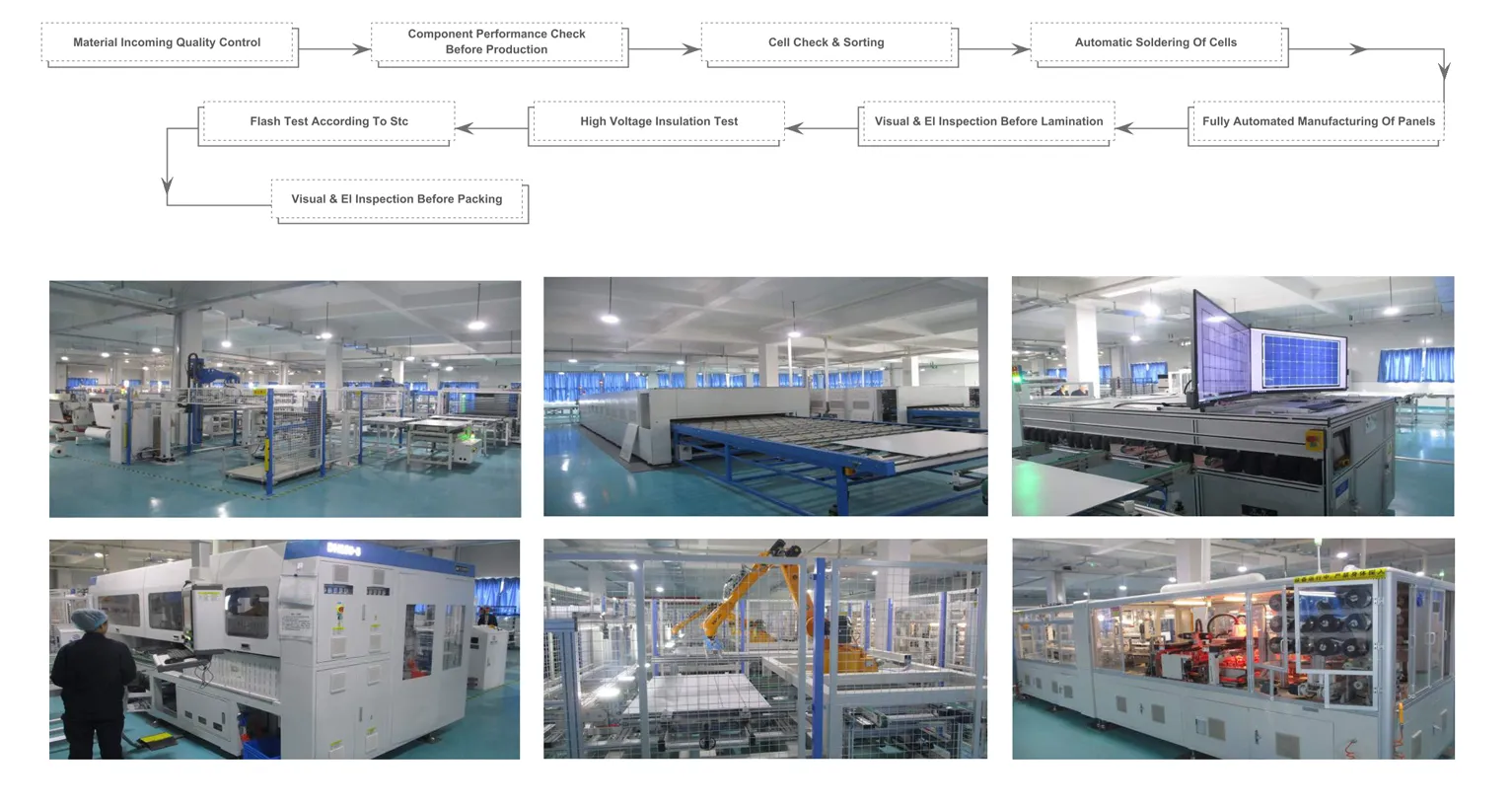
How ApexSolar ensures long-term operational resilience and full compliance with Australian Grid Codes before systems leave the production floor.
Every inverter topology developed for the Canberra market is subjected to real-time grid simulation using Opal-RT and RTDS platforms. This mimics extreme Australian network events, such as localized transmission dropouts, high harmonic distortions, and solar eclipse ramp periods, validating response profiles in microseconds.
Safety for ACT emergency response and utility line workers is non-negotiable. Our testing sequence evaluates islanding conditions within 2 seconds. The inverter shifts output frequency, forcing immediate disconnection while preserving the integrity of critical local commercial backup loads.
Canberra climates present severe challenges: freezing winters (-5°C) and hot summers (+42°C). ApexSolar inverters undergo high-stress environmental chamber aging, cycling through rapid temperature variations to confirm component integrity and prevent thermal derating.
Whether integrating with commercial LFP battery stacks or localized Virtual Power Plant setups, our communication modules undergo interoperability verification via Modbus TCP/RTU, CAN Bus, and cellular IoT interfaces for remote management.
Ensuring Canberra's energy structures remain scalable, VPP-ready, and future-proof against evolving regulatory landscapes.
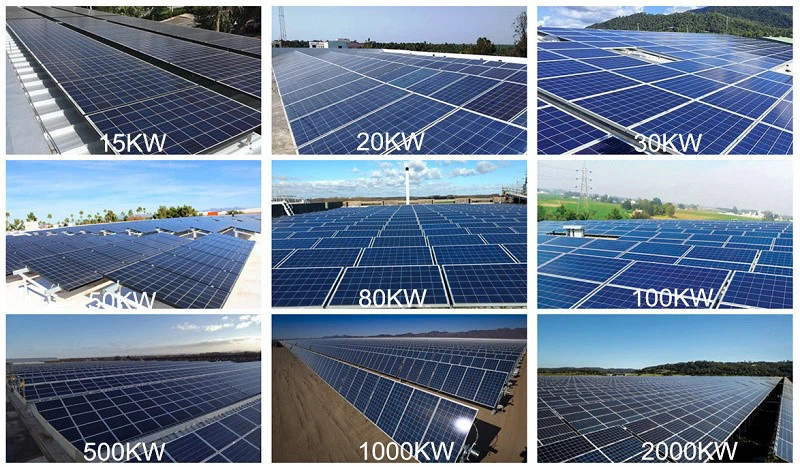
When engineering firmwares and physical components for Australian distribution systems, purchasing managers look for more than low pricing. Reliability metrics, warranty durations, and local compliance certification are paramount. Ningbo FLare Solar Co., Ltd. satisfies these expectations. We design, manufacture, and integrate key sub-assemblies inside state-of-the-art facilities in Ningbo, China, while partnering with engineering networks on the ground in New South Wales and the ACT to facilitate seamless local approvals.
Our flagship brand ApexSolar coordinates closely with distributors, local councils, and commercial contractors to deliver tailored systems. By merging off-grid systems with smart IoT networks, we manage to lower urban energy bills, increase municipal safety, and provide utility stability that complies with clean energy mandates.
Our validation protocol guarantees that every hybrid inverter, smart grid interface, and BMS module features the necessary compliance signatures. We offer developers access to full Factory Acceptance Testing (FAT) data sheets, confirming thermal boundaries, safety isolation thresholds, and power quality characteristics before shipment.
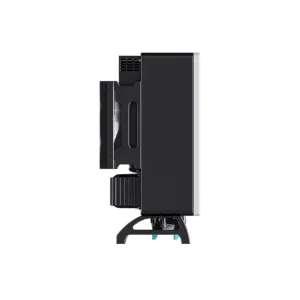
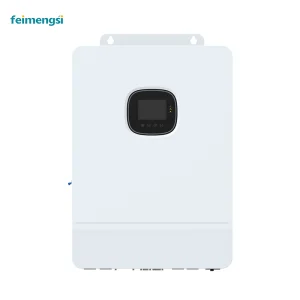
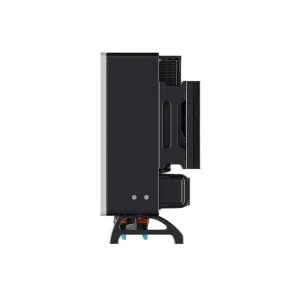
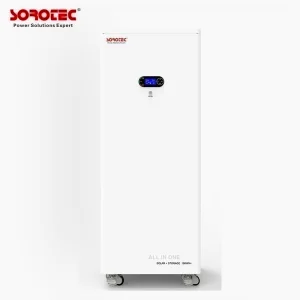
Explore our highly integrated solar inverter systems, designed for hybrid operation, robust communication, and remote microgrid environments.
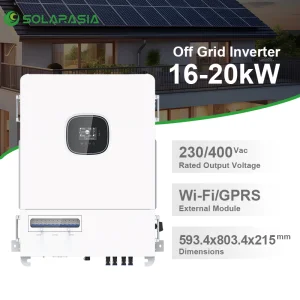
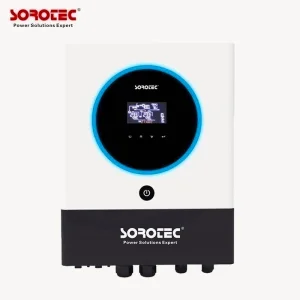
In-depth technical answers addressing standard design considerations, grid requirements, and local installation policies.
Get in touch with our system integration engineers today for tailored grid-simulation data, technical specifications, and AS/NZS compliance assistance.
Send Inquiry Now FLare Solar