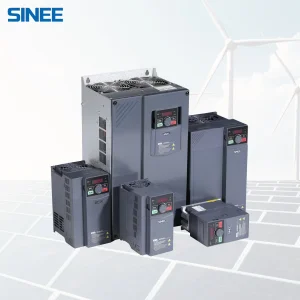
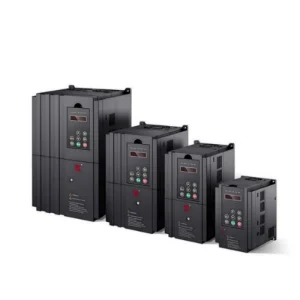
High-efficiency solar collectors, heavy-duty hybrid pumping inverters, off-grid power systems, and rugged outdoor smart lighting fixtures designed for global infrastructure deployment.
Decentralized Clean Energy Systems Built for Modern Municipalities and Heavy Enterprise Operations.
In the global race toward decarbonization, modern infrastructure requires more than basic hardware; it demands unified energy collection, high-efficiency conversion, and robust wireless control systems. Under the leading brand ApexSolar, Ningbo FLare Solar Co., Ltd. is at the absolute forefront of this technological shift. Headquartered in the manufacturing hub of Ningbo, China, the company has built a reliable international reputation for producing high-quality smart solar street lights, integrated commercial IoT components, off-grid pure sine wave inverters, and high-efficiency solar water pump systems designed for heavy industrial, agricultural, and municipal projects.
This document presents a detailed technological breakdown, supply chain analysis, and operational roadmap for engineering and purchasing managers globally. As smart municipal lighting networks merge with decentralized microgrids, understanding the design, components, and certification standards of your manufacturing partners is vital for ensuring long-term project ROI, minimal maintenance costs, and maximum structural resilience.
Leading technological shifts in energy harvesting, storage chemistry, optoelectronics, and wireless control networks.
Moving beyond basic Pulse Width Modulation (PWM), modern smart solar lamps use high-speed MPPT (Maximum Power Point Tracking) algorithms. This ensures dynamic impedance matching under low-light and overcast conditions, improving solar energy conversion efficiency by up to 30% compared to standard controllers.
ApexSolar hardware relies on high-density Lithium Iron Phosphate (LiFePO4) storage batteries managed by active balancing BMS circuits. Designed for over 4,000 thermal charge-discharge cycles, these batteries feature automatic temperature regulation to prevent thermal runaway even in harsh desert environments.
Using wireless standards like LoRaWAN, NB-IoT, and Zigbee, our street lamps form local self-healing mesh networks. Operators can easily monitor battery health, real-time power generation, and lighting profiles, as well as receive automated system fault alerts from a central cloud management interface.
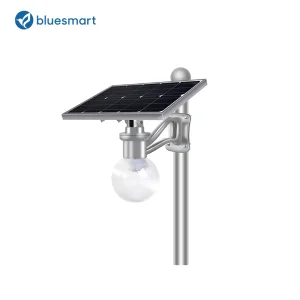
The core technology of smart solar outdoor luminaires has shifted from basic components to highly integrated electrical systems. By combining smart micro-controllers with intelligent lighting control software, systems can automatically adjust operational profiles based on seasonal day-length, real-time weather forecasts, and pedestrian motion patterns.
Our research and development pipeline for the next decade centers on integrating AI-driven edge computing. This will allow street lighting poles to act as sensor platforms for smart cities. By hosting PM2.5 air quality monitors, traffic-flow cameras, and EV charging interfaces, these units convert from simple lighting products into critical revenue-generating urban infrastructure.
"The transition from isolated solar lamps to interconnected smart grids is one of the most effective strategies for cities to lower municipal energy usage while building long-term infrastructure resilience."
Smart solar lamps are a key part of broader, decentralized energy systems. In commercial environments, municipal zones, and agricultural settings, deploying off-grid solar infrastructure is a highly effective way to bypass expensive trenching and grid connection costs.
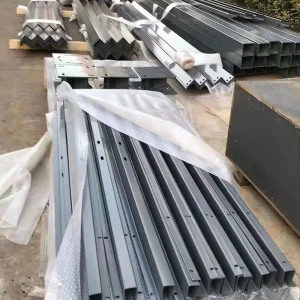
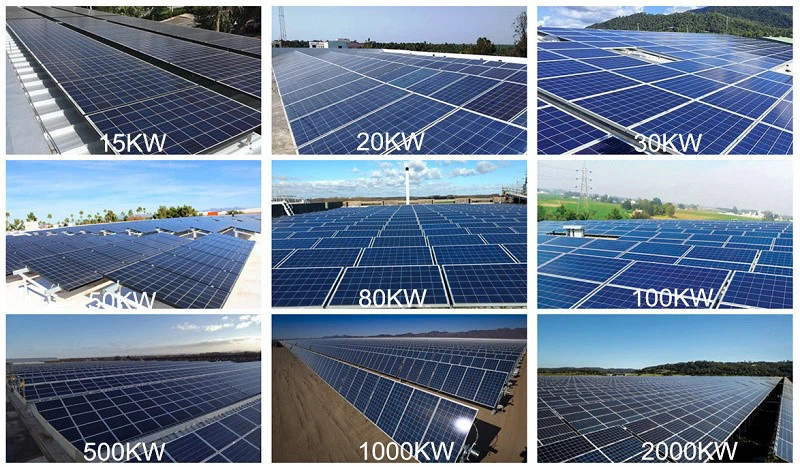
For example, industrial and commercial logistics centers use customizable ground mounts and corrosion-resistant solar PV carports. These setups convert open parking space into active energy generators, shading transport vehicles while generating power that can be stored or used by the local facility.
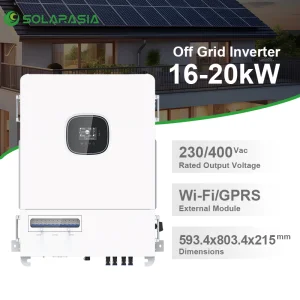
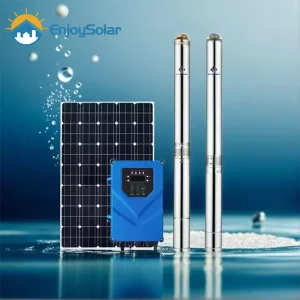
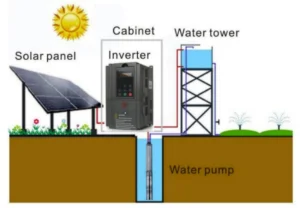
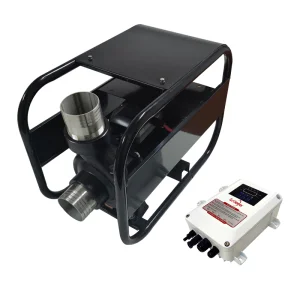
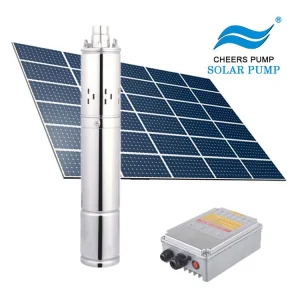
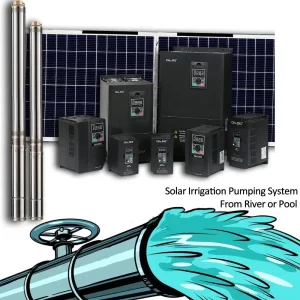
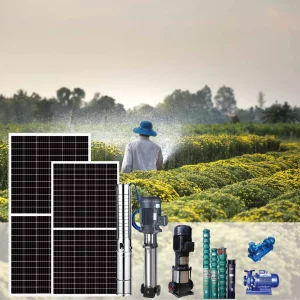
In rural and agricultural areas, off-grid hybrid solar pumping inverters help solve water management issues. By running submersible water pumps directly from solar panels without needing expensive battery storage, farms can secure a reliable water supply for irrigation and livestock management, even in remote regions with unstable power grids.
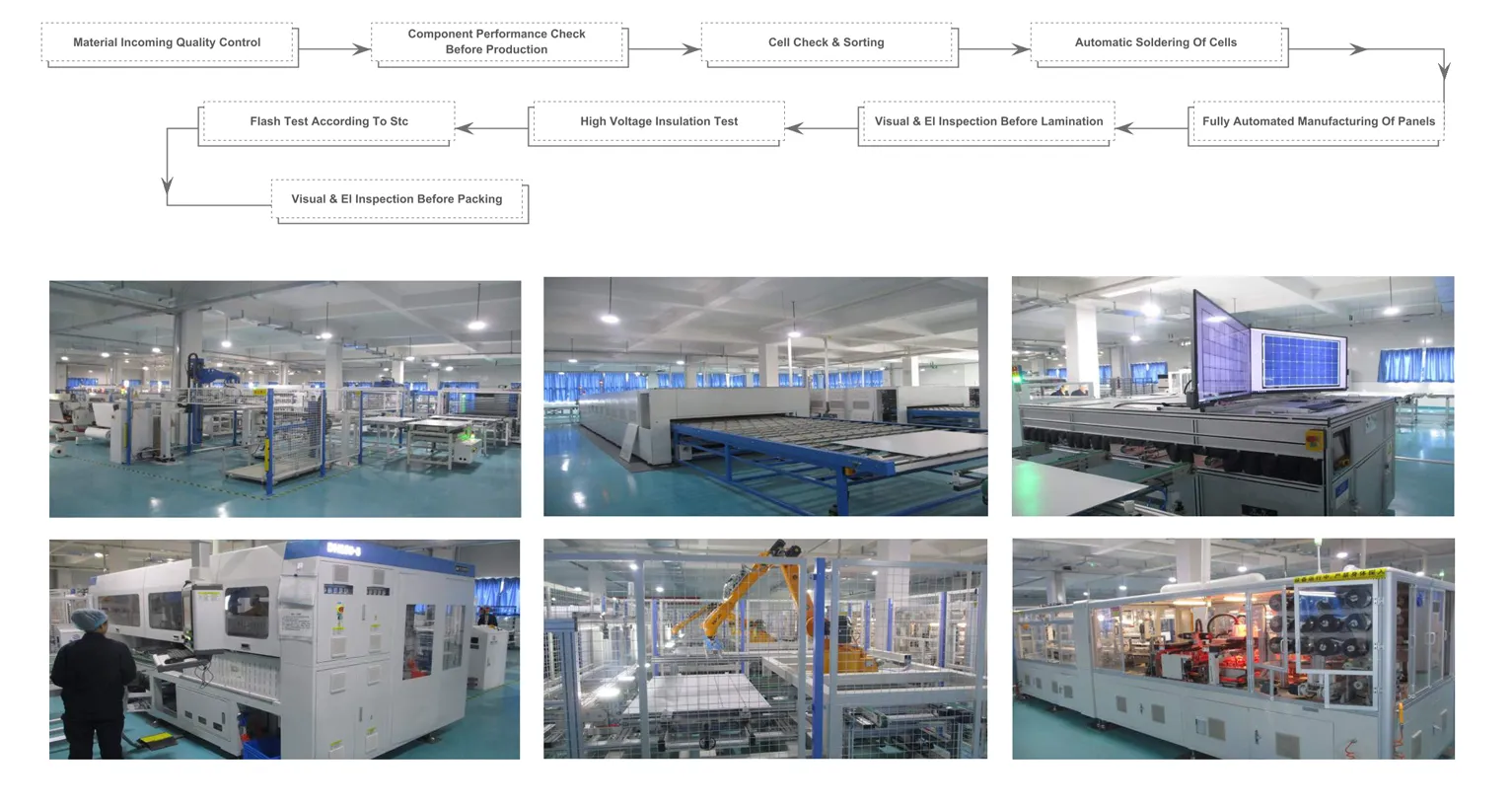
Leveraging automation, advanced quality testing, and Ningbo's world-class shipping hub to deliver premium components on time.
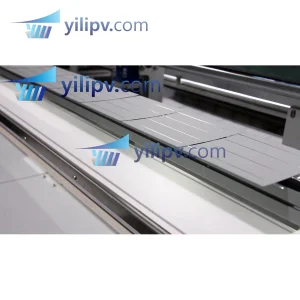
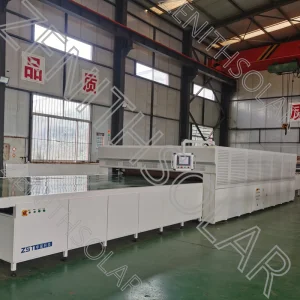
Ningbo FLare Solar Co., Ltd. (ApexSolar) utilizes a modern Factory 4.0 production framework that balances speed, cost, and consistent quality. By using automated solar panel laminators, automated laser cutting machines, and high-precision SMD pick-and-place lines for PCB controller assembly, we minimize human error and ensure every batch of solar lamps meets identical design tolerances.
Our location in the Ningbo industrial zone offers major strategic advantages. With direct access to the Port of Ningbo-Zhoushan—one of the busiest container ports in the world—we can ship products globally with minimal domestic transit delays. In addition, the local supply chain ecosystem allows us to source raw materials, tempered glass, aluminum profiles, and microelectronic components quickly, protecting our clients from sudden global supply chain disruptions.
Every single smart solar controller undergoes automated circuit testing, while finished lamps endure rigorous environmental testing. This includes thermal shock chamber tests, UV degradation tests, and salt spray testing to guarantee long-term operation in coastal and high-humidity areas.
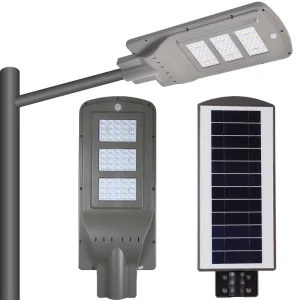
Outdoor lighting fixtures must withstand extreme weather conditions. Our All-in-One street lights feature structural IP68 silicone seals and waterproof venting plugs. This design prevents moisture ingress during heavy downpours while balancing interior air pressure during temperature fluctuations.
Consistent with our commitment to environmental sustainability, our factories use energy-efficient machinery. We prioritize recyclable aluminum housings and lead-free soldering processes, reducing the carbon footprint of our manufacturing facility.
Deploying energy systems internationally requires strict compliance with regional electrical and environmental standards. ApexSolar products are engineered and tested to meet international standards including CE, RoHS, FCC, UL, and CB certifications. This compliance helps our distributors, municipal partners, and project contractors secure local installation approvals quickly and easily.
To support global projects, we offer full localization services. This includes detailed Dialux lighting simulations to ensure your installations meet local lux requirements, customizable mounting adapters for regional wind-load conditions, and multi-protocol IoT integration to connect our lights with existing local smart city platforms.
Our dedicated engineering teams provide pre-sales layout planning, remote commissioning assistance, and replacement parts support, ensuring your project runs smoothly throughout its entire operational lifespan.
Key criteria for international procurement managers when selecting a reliable solar equipment supplier.
Purchasing managers for utility-scale developments, commercial campuses, and public works projects face complex sourcing requirements. When comparing smart solar factories, evaluating long-term reliability and supplier responsiveness is just as important as unit pricing. Enterprise sourcing teams should prioritize three key pillars:
Ensure your supplier can provide detailed component datasheets, IES files for luminaire optical distribution, battery MSDS safety certifications, and certified lab test reports for wind resistance, salt-mist corrosion, and IP water ratings.
We welcome third-party factory audits (such as SGS or TÜV) to verify our manufacturing processes. Understanding our incoming quality control (IQC), in-process quality control (IPQC), and final quality control (FQC) steps gives procurement teams peace of mind.
Look for factories that offer transparent, multi-year warranties backed by clear replacement and tech support agreements. ApexSolar provides structured warranties of 3 to 5 years, ensuring fast support and replacement component deliveries to keep your systems running.
Technical and logistical insights for B2B buyers selecting commercial-grade smart solar equipment.
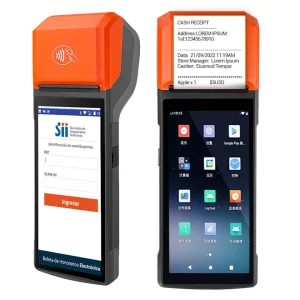
High-efficiency portable solar pumps, automated laminating systems, agricultural inverters, and handheld payment nodes.
 FLare Solar