Ningbo FLare Solar Co., Ltd. is a leading innovator in the solar energy industry, specializing in advanced solar street lights, smart IoT solutions, and LED energy-efficient systems. Headquartered in Ningbo, China, the company has established a strong reputation for delivering high-quality, reliable, and sustainable solar solutions to urban, commercial, and residential clients worldwide. Under its flagship brand, ApexSolar, Ningbo FLare Solar focuses on integrating cutting-edge technology with eco-friendly design to meet the growing demand for smart and energy-efficient lighting solutions.
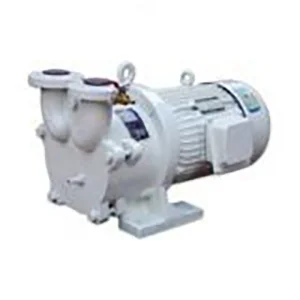
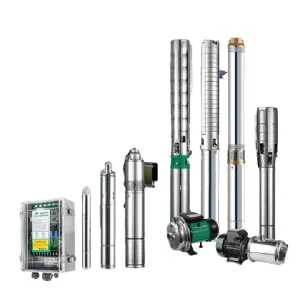
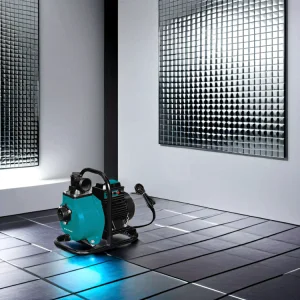
The company’s product portfolio includes solar street lights equipped with IoT-enabled monitoring systems, high-performance LED modules, and durable battery storage solutions. These innovations ensure long-lasting illumination, intelligent energy management, and remote monitoring capabilities, making city infrastructure safer and more sustainable. In addition, Ningbo FLare Solar develops off-grid and hybrid solar pump systems for agriculture and water management, combining efficiency, reliability, and cost-effectiveness.
With a dedicated research and development team, stringent quality control standards, and commitment to sustainability, Ningbo FLare Solar Co., Ltd. continually advances solar technology. The company collaborates with global partners, distributors, and municipalities to deliver tailored solutions that reduce energy consumption and environmental impact.
By merging innovation, smart design, and ecological responsibility, Ningbo FLare Solar Co., Ltd. is redefining urban lighting and renewable energy solutions, empowering communities with intelligent, efficient, and environmentally friendly solar systems.
As global municipalities and commercial developers seek to lower carbon footprints and minimize utility expenditures, the demand for highly optimized, customized OEM solar lighting systems for streets has surged. Standard off-the-shelf streetlights often fail to meet localized wind loads, temperature variations, specific autonomy requirements, and municipal IoT standards. This is where specialized manufacturing capabilities from Ningbo FLare Solar bridge the gap, aligning advanced mechanical designs with rigorous electrical and optical engineering standards.
Every urban region presents distinct geographic, climatic, and photometric requirements. A solar street light solution deployed in the arid regions of Saudi Arabia requires a drastically different structural framework than one installed in the high-humidity, typhoon-prone coastal lines of the Philippines or the sub-zero winters of Norway. Generic configurations usually yield premature battery failures, inadequate lux distribution, or structural collapse.
Ningbo FLare Solar designs systems based on localized solar irradiance data (expressed in kWh/m²/day) derived from NASA meteorological databases. Our OEM design flow calculates the optimum tilt angle of the solar panel, the precise capacity of the LiFePO4 battery pack, and the matching power profile of the LED fixture. This ensures a 100% reliable autonomy configuration (ability of the system to run consecutively without solar input, typically 3 to 7 cloudy days).
Our wind load modeling engineering conforms to standard specifications for structural supports of highway signs, luminaires, and traffic signals. Using advanced finite element analysis (FEA), we calculate stress distribution on poles ranging from 6 to 12 meters in height. By adjusting pole thickness, anchor bolt templates, and solar bracket designs, we guarantee structural integrity in zones prone to Category 5 hurricanes.
Proper illumination requires specific light spreads to prevent glare, dark spots, and light pollution. By offering customizable optical distributions (IESNA Type I, Type II, Type III, and Type IV lenses), we ensure compliance with EN 13201 standards for highway and pedestrian lighting. Our systems leverage high-brightness Lumileds or Bridgelux chips, maximizing efficacy and assuring uniform illumination.
Ningbo stands at the epicenter of China's advanced manufacturing and solar technology corridor. By consolidating structural metal fabrication, LED optics manufacturing, battery management system (BMS) software design, and final assembly within a tight geographical cluster, Ningbo FLare Solar dramatically reduces production lead times and structural costs while maintaining strict compliance with international standards.
Operating adjacent to the Port of Ningbo-Zhoushan—the world’s busiest port by cargo tonnage—allows us to orchestrate seamless shipping solutions. We provide customized container packaging, moisture-resistant protective shipping, and ocean transit optimization that minimizes freight costs, transit damage risk, and port clearance delays for EPC contractors globally.
Ningbo's deep talent pool in power electronics and structural engineering facilitates continuous technological iteration. Our QA labs conduct rigorous tests including integrating sphere measurements, high/low temperature chambers, salt-spray corrosion tests, and vibration simulation tables to assure long-term reliability under harsh operational environments.
The solar street light industry is transitioning from isolated illumination points to connected, intelligent municipal assets. Understanding these macro trends is vital for procurement agents and municipal planners aiming to future-proof their capital investments.
Deploying municipal solar lighting is not a one-size-fits-all endeavor. Different industries and public domains require tailored architectures to maximize efficiency and safety.
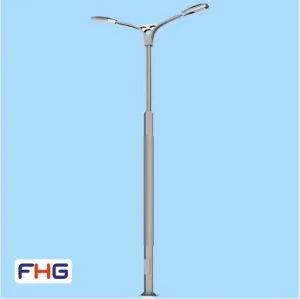
Arterial roads demand high-lux, highly reliable systems with continuous brightness profiles. We deliver split solar systems with 10-12m hot-dip galvanized steel poles, featuring dual-fixture arms and oversized monocrystalline panels. These structures are engineered for long service life, complying with AASHTO wind specifications and keeping heavy traffic lanes illuminated without utility grid reliance.
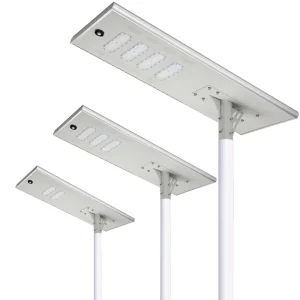
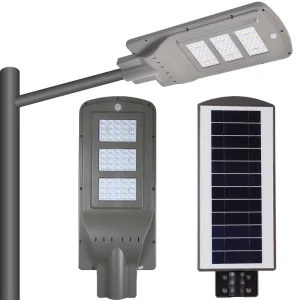
For pathways and residential avenues, aesthetics, reduced glare, and adaptive lighting are primary. Our "All-in-One" integrated series combines the PV panel, LiFePO4 battery, MPPT controller, and LED source in a single sleek body. Programmed with smart motion sensors (PIR/microwave), the lights operate at 30% standby mode and scale up to 100% output only when pedestrian activity is detected, saving substantial battery reserve.
Remote industrial locations require heavy-duty, explosion-proof components, resilient wiring, and telemetry nodes. Our off-grid hybrid power solutions withstand extreme chemical and maritime environments, ensuring security lighting and peripheral perimeter surveillance systems remain powered 24/7/365, even in remote desert locations.
When municipal committees, developers, and solar EPC companies evaluate OEM manufacturers, standard marketing claims are insufficient. Verification must be rooted in strict electrical engineering compliance, robust quality control data, and transparent supply chain documentation.
Ensure the manufacturer can supply verifiable test reports from accredited third parties (SGS, TUV, Intertek) for these standards:
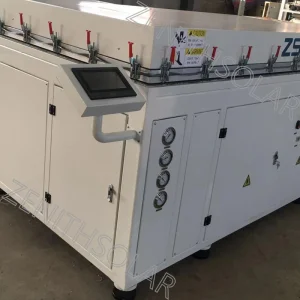
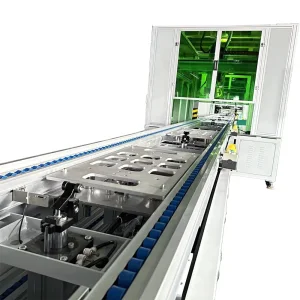
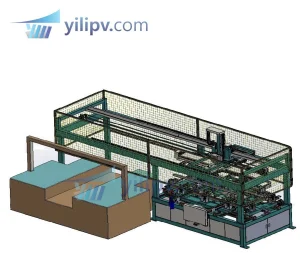
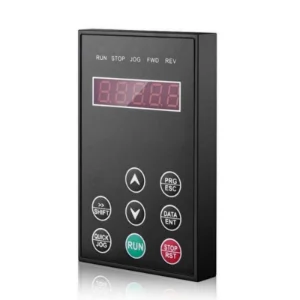
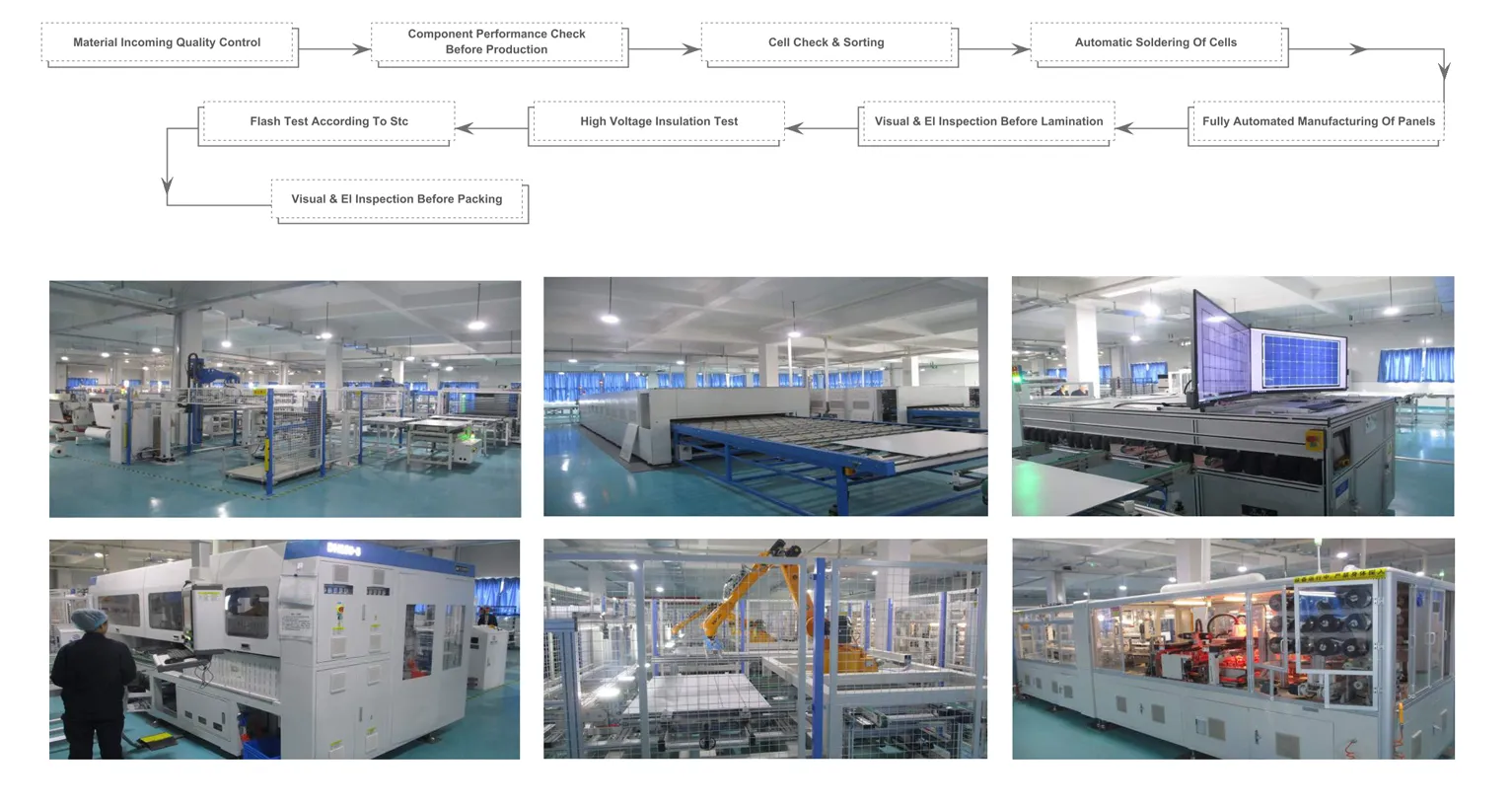
Reliable suppliers like Ningbo FLare Solar offer more than just assembly. High-quality production lines require advanced automation machinery to prevent micro-cracks in cells and guarantee perfect sealing of enclosures. Our infrastructure includes automated PV module laminators, battery cell sorting machinery, high-precision metal framing lines, and variable frequency controller test facilities to maintain product consistency at scale.
The overall life expectancy varies by component: the solar PV panel is rated for 25 years (minimum 80% output); the LED optical module is rated for L70 > 50,000 to 100,000 hours (approx. 11-22 years); the MPPT solar charge controller lasts 8 to 10 years; and the high-grade LiFePO4 battery pack lasts 10 to 12 years (designed for 6000 cycles at 80% Depth of Discharge).
We analyze the historical worst-month solar radiation levels (peak sun hours) using NASA coordinates. We then scale up the PV panel capacity (in Watts) and the battery storage sizing (in Amp-hours) to guarantee the required light output and the specified autonomy days without deep-discharging the battery below its safe limits.
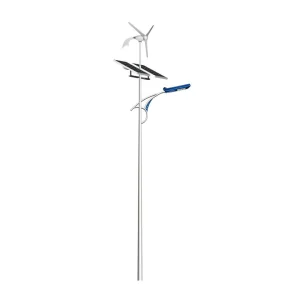
Integrated solar lights house the PV panel, battery, and light source inside one unified casing. This simplifies shipping and enables fast DIY installation, making them perfect for parks and urban residential avenues. Split solar lights keep the battery box underground or lower on the pole, allowing for customizable solar panel tilts, larger PV panels, and higher wattage LED heads, making them ideal for high-lux highway applications.
Yes, our smart nodes support multiple network topologies. In rural or remote regions, we deploy LoRaWAN or Zigbee local mesh networks that communicate with a central gateway up to 10 km away. The gateway then transmits aggregated telemetry data to our cloud servers via a single cellular or satellite uplink, minimizing data transmission costs.
 FLare Solar