Discover our leading-edge smart PV integration devices, high-performance battery packs, and remote monitoring accessories developed under rigorous quality verification protocols.
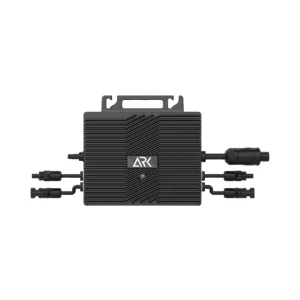
Advanced 800W Micro Inverter for Solar Panels with Smart WiFi Integration
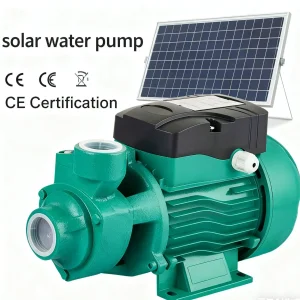
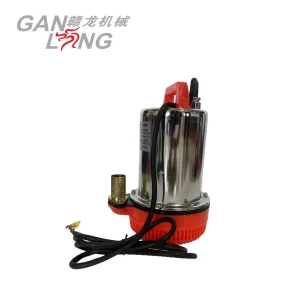
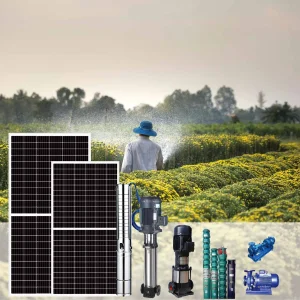
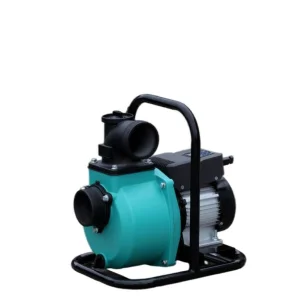
Portable Mini Solar Powered Water Pump Aluminum Alloy for Agricultural Irrigation Garden Watering
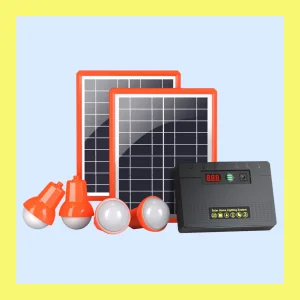
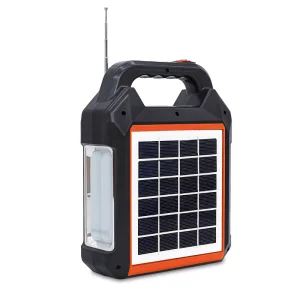
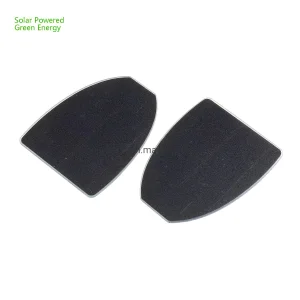
Complete Solar Energy Solution with 7.4V Li-ion Battery Pack (SC-906)
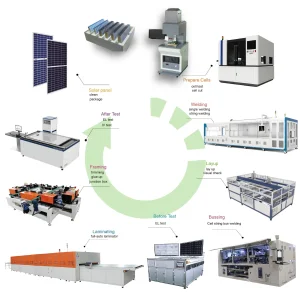
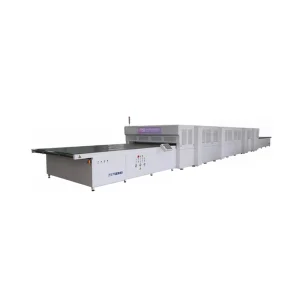
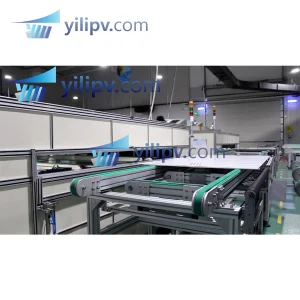
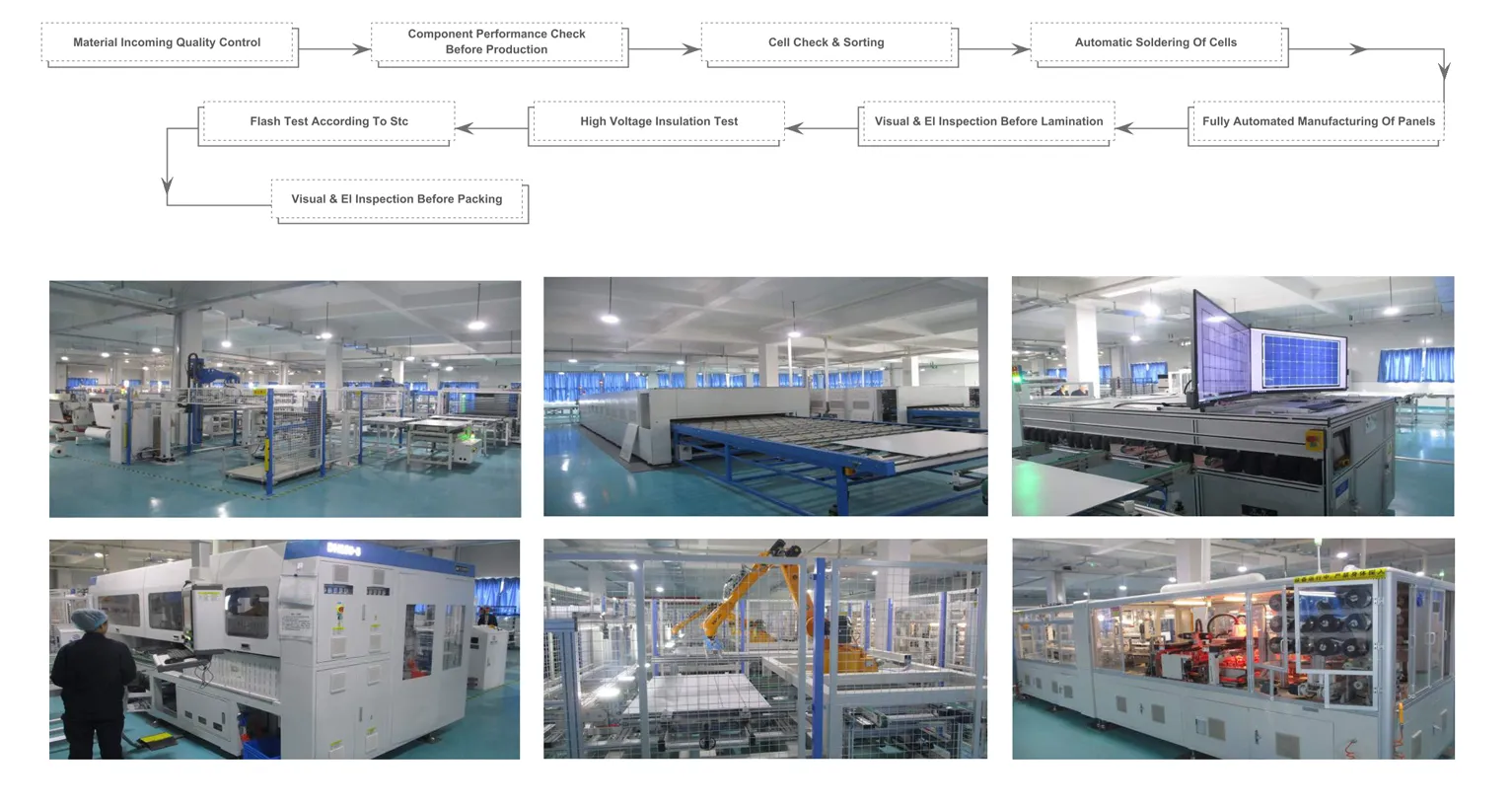
Solar Cell Production Line Accessories: Precision Component Equipment

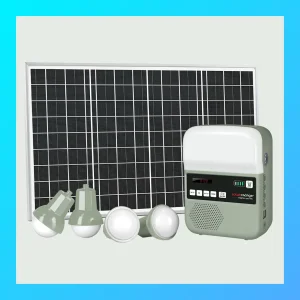
Energy Efficient Solar Home Solution Sc-325 for Cost Savings
Ningbo FLare Solar Co., Ltd. is a leading innovator in the solar energy industry, specializing in advanced solar street lights, smart IoT solutions, and LED energy-efficient systems. Headquartered in Ningbo, China, the company has established a strong reputation for delivering high-quality, reliable, and sustainable solar solutions to urban, commercial, and residential clients worldwide. Under its flagship brand, ApexSolar, Ningbo FLare Solar focuses on integrating cutting-edge technology with eco-friendly design to meet the growing demand for smart and energy-efficient lighting solutions.
Modern municipality infrastructures demand a migration away from isolated legacy illumination nodes toward complex IoT-orchestrated energy ecosystems. The paradigm shifts from baseline luminous output considerations to comprehensive telemetry grid parameters. Factors such as localized climate variables, real-time vehicle densities, adaptive load shedding, and integrated storage optimization are now core variables in municipal Levelized Cost of Energy (LCOE) calculations. Ningbo FLare Solar addresses these challenges directly by engineering hardware and software topologies that convert standard municipal streetlights into bidirectional data and active power nodes.
By shifting the technical focus from hardware assembly to comprehensive system-level topology integration, ApexSolar solutions guarantee robust uptime in low solar irradiance conditions. This integration of industrial-grade microcontrollers, state-of-the-art battery chemistries, and customized wireless communication stacks ensures that urban developments can achieve carbon neutrality targets without sacrificing public safety or infrastructure visibility.
Ningbo's position as an international maritime trading gateway and precision manufacturing hub creates unprecedented structural efficiencies for heavy electronics and solar module development. Unlike inland manufacturing sites, the Ningbo ecosystem minimizes logistical delays and transit-related battery cell vibration risks. This dynamic guarantees that sensitive silicon wafers and high-capacity battery assemblies retain structural integrity during local freight stages.
This localized cluster allows us to maintain direct oversight over the raw material processing phases, ranging from precision extrusion of 6063-T5 aluminum mounting rails to the cleanroom lamination protocols required for high-efficiency monocrystalline solar panels. Furthermore, Ningbo's robust technological ecosystem gives ApexSolar immediate access to deep-level engineering specialists in embedded systems, wireless communications, and advanced structural engineering.
Our proximity to world-class testing and certification laboratories ensures that every iteration of our smart controllers and PV assemblies undergoes stringent thermal cycle testing, damp-heat evaluation, and electromagnetic compatibility (EMC) alignment. The result is a robust supply chain characterized by minimized lead times, rapid custom component prototyping, and absolute compliance with international engineering standards.
Complete control over internal manufacturing steps, including PV lamination, aluminum extrusion, and PCB design verification.
Direct logistical paths from the Port of Ningbo, reducing container handling cycles and mitigating ocean freight damage.
Strategic access to specialized component suppliers in the Yangtze River Delta, minimizing assembly bill of materials (BOM) cost.
The company’s product portfolio includes solar street lights equipped with IoT-enabled monitoring systems, high-performance LED modules, and durable battery storage solutions. These innovations ensure long-lasting illumination, intelligent energy management, and remote monitoring capabilities, making city infrastructure safer and more sustainable. In addition, Ningbo FLare Solar develops off-grid and hybrid solar pump systems for agriculture and water management, combining efficiency, reliability, and cost-effectiveness.
Evaluating modern solar technology relies heavily on assessing real-time remote connectivity. Current innovations utilize low-power wide-area networks (LPWAN), including NB-IoT, LoRaWAN, and LTE-M protocols. Integrating these RF architectures directly into the charge controller allows system operators to transition from costly manual diagnostics to proactive, automated performance notifications.
Another major trend is the development of smarter Maximum Power Point Tracking (MPPT) logic. Legacy pulse-width modulation (PWM) topologies suffered significant energy conversion losses, especially in overcast climates. Modern intelligent MPPT algorithms track solar irradiance variations at sub-second intervals, capturing up to 30% more energy than traditional systems. When integrated with smart lithium iron phosphate (LiFePO4) battery management systems (BMS), these controllers dynamically adjust power output during extended periods of rain, ensuring continuous operation under severe weather conditions.
Deploying smart lighting systems requires custom architectural plans to meet the unique environmental challenges of each site. ApexSolar solutions are engineered for three primary microclimatic and structural scenarios:
In dense urban centers, smart lighting nodes coordinate energy storage with city traffic flow. Integrated sensors analyze vehicle density and pedestrian movement to adjust brightness levels dynamically. During periods of low traffic, lights dim to conserve power, automatically ramping up to full intensity when motion is detected. These nodes also transmit localized weather and air quality telemetry back to municipal management centers via encrypted MQTT messaging protocols.
Reliable water management is critical for rural agriculture. Our hybrid solar pump solutions utilize variable frequency drives (VFD) to match water output with solar panel power generation. Integrated water sensors protect pumps from running dry, while remote telemetry interfaces allow farmers to control irrigation cycles via mobile applications, conserving both water and energy.
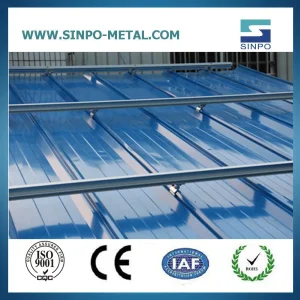
For remote mining operations and high-altitude construction projects, grid stability is essential. In these challenging environments, legacy utility systems are often cost-prohibitive. Our industrial-grade solar mounting structures, certified for wind speeds up to 60 m/s, combine with heavy-duty IP68 enclosures to deliver reliable off-grid power for telecommunications and safety lighting in extreme conditions.
With a dedicated research and development team, stringent quality control standards, and commitment to sustainability, Ningbo FLare Solar Co., Ltd. continually advances solar technology. The company collaborates with global partners, distributors, and municipalities to deliver tailored solutions that reduce energy consumption and environmental impact.
By merging innovation, smart design, and ecological responsibility, Ningbo FLare Solar Co., Ltd. is redefining urban lighting and renewable energy solutions, empowering communities with intelligent, efficient, and environmentally friendly solar systems.
Enterprise procurement teams must look beyond initial acquisition costs to evaluate long-term reliability and compliance. Key verification metrics include:
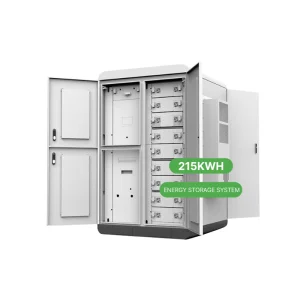
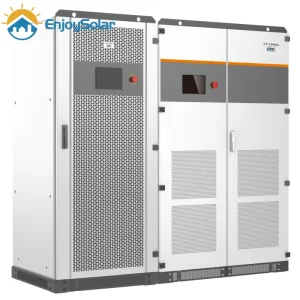
Explore our heavy-duty commercial energy storage systems, utility-grade hybrid inverters, automated PV production machinery, and rural pumping solutions.
 FLare Solar