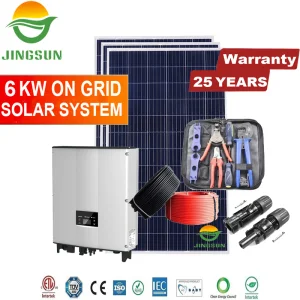
Explore our CE certified, high-efficiency lithium battery systems, off-grid infrastructure, and smart IoT control modules engineered for industrial, municipal, and residential energy resilience.
As the global community accelerates its transition to clean power, the deployment of reliable solar battery storage solutions has shifted from a peripheral sustainability goal to a core requirement for grid optimization and business continuity. Industrial, commercial, and utility-scale projects demand robust battery storage to offset the intermittent nature of solar photovoltaics (PV), stabilizing load dynamics and reducing peak-demand utility charges.
By implementing a CE Certified energy storage system (ESS), operators ensure conformity with stringent European health, safety, and environmental protection standards. CE certification is not merely a label; it confirms that the electrochemical battery modules, Integrated Battery Management Systems (BMS), power converters, and thermal enclosures have undergone exhaustive testing under fire, electrical fault, thermal runaway, and mechanical stress scenarios. This compliance guarantees that your system is designed to operate safely throughout its standard 15-to-20-year lifespan.
The efficiency of a solar storage system hinges on its battery chemistry and control architecture. Our systems leverage premium Lithium Iron Phosphate (LiFePO4) cell configurations, widely recognized as the safest and most durable lithium-ion variant available today. Unlike Nickel Manganese Cobalt (NMC) options, LiFePO4 chemistry features an inherently high thermal runaway threshold (above 270°C), making it virtually immune to fire hazards under normal and severe operating conditions.
To maximize capacity utilization and prolong battery lifespan, we integrate a proprietary dual-core Battery Management System (BMS). The BMS operates as the nervous system of the ESS, executing real-time data collection, balancing cell voltages, and managing communication protocols:
Our BMS continuously redirects charge from higher-voltage cells to lower-voltage cells during charge-discharge cycles, maximizing the usable capacity of the entire pack by up to 15% compared to passive balancing architectures.
Integrated temperature sensors distributed across the battery modules monitor cell temperature at the millisecond level, triggering integrated HVAC cooling or heating loops to keep operational temperatures within the optimal 15°C to 35°C range.
Equipped with native CAN, RS485, and Modbus TCP interfaces, our systems communicate seamlessly with telemetry networks, allowing remote cloud-based diagnostic, monitoring, and firm ware updates over secure TLS 1.3 channels.
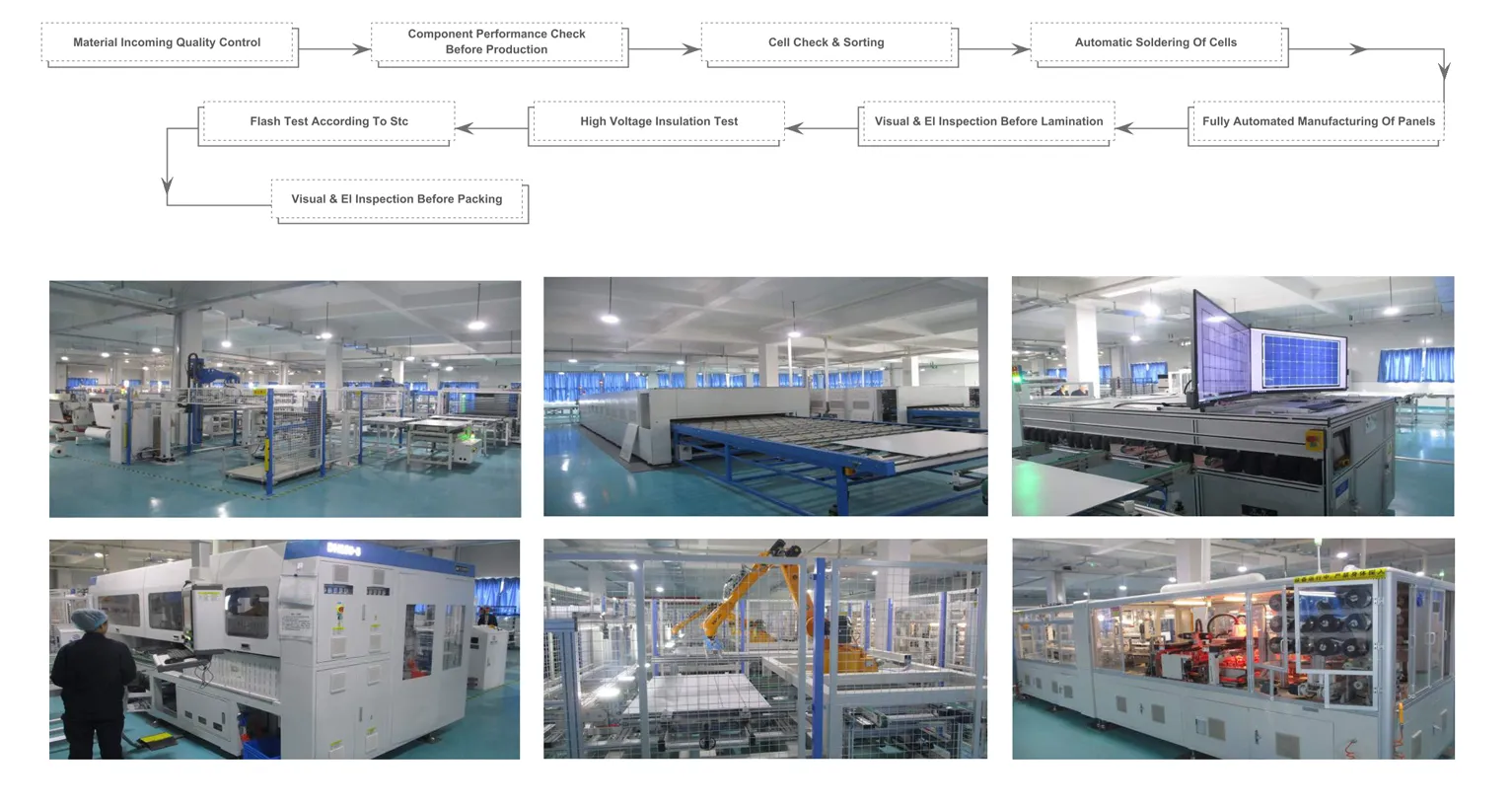
Our operational headquarters, Ningbo FLare Solar Co., Ltd. (operating under our flagship brand, ApexSolar), is strategically situated in Ningbo, China. This geographical positioning provides a massive, structural advantage for our global procurement partners. Ningbo sits at the center of the world's most advanced photovoltaic and lithium-ion supply chain networks, granting us direct access to high-grade silicon, premium cell raw materials, automated laser scribing machinery, and advanced PCB manufacturers.
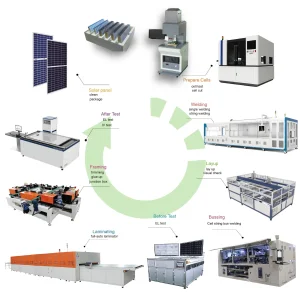
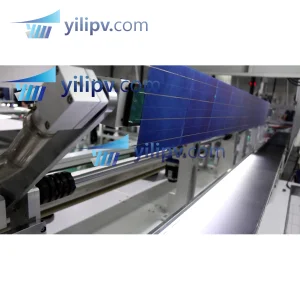
By bypassing multiple layers of middle-tier component suppliers, we maintain strict quality control from raw materials to the finished product. We utilize specialized solar panel manufacturing equipment and precision component machinery in-house to produce integrated, high-durability photovoltaic solutions and energy storage modules that operate with high efficiency.
From remote agricultural irrigation to smart city street lighting grids, customizable energy storage is the cornerstone of high-availability energy systems.
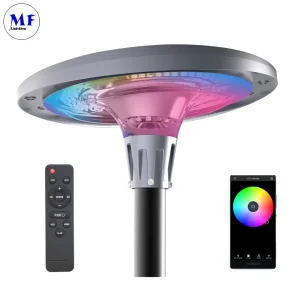
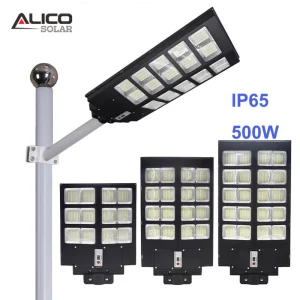
Traditional municipal street lights represent a major recurring utility cost for cities. By combining on-grid and off-grid solar storage configurations, municipal planners can create self-sustaining roadway illumination. In our systems, high-efficiency solar street lights are backed by robust battery storage, allowing the stored energy to handle low-irradiance winter days and operate without relying on the primary power grid. This reduces urban carbon footprints while keeping public pathways safe and lit.
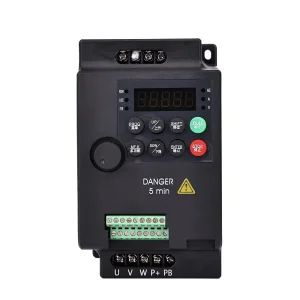
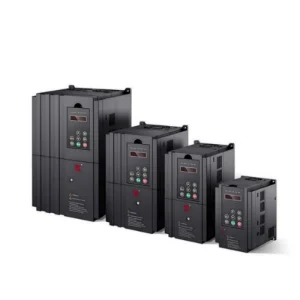
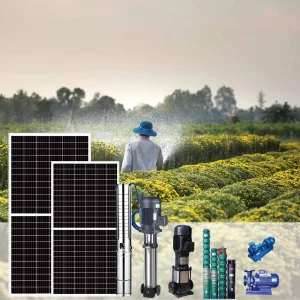
In rural and agricultural areas far from commercial grids, water management is a critical challenge. Our high-efficiency solar water pump inverters and smart motor controllers manage the power generated by PV arrays to drive deep-well water pumps. Integrated battery storage systems buffer energy during peak sunlight hours, ensuring that irrigation schedules remain active during cloud cover or overnight. This technology improves crop yields and reduces dependency on diesel fuel.
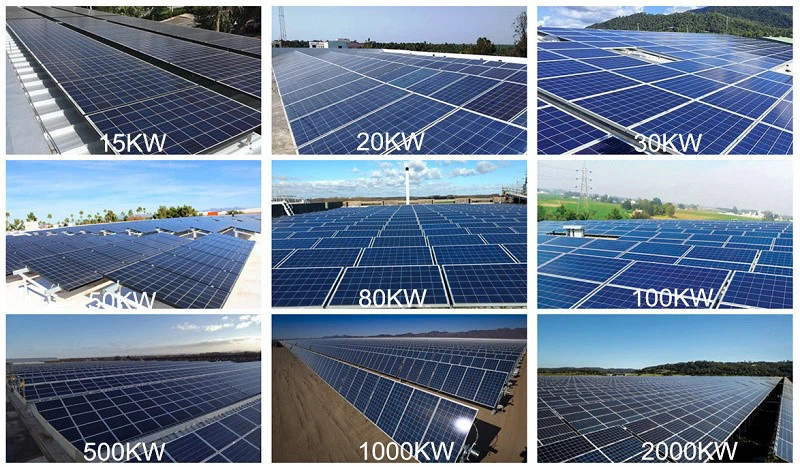
Commercial facilities are often billed based on their highest power draw window. By deploying a commercial-grade battery storage system, businesses can discharge stored solar energy during peak consumption hours. This process, known as peak shaving, reduces utility demand charges and optimizes overall energy expenditures. It also provides reliable backup power during localized utility grid failures.
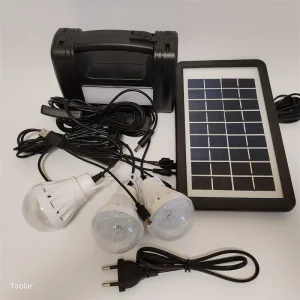
For remote areas, off-grid cabins, or regions with unstable power grids, decentralized energy storage is essential. Our residential-scale off-grid solar systems provide stable household power, running lighting, domestic appliances, and charging electronics. This makes daily living comfortable and accessible in remote, off-grid locations worldwide.
Purchasing utility-scale or high-volume commercial solar storage systems requires careful planning. International buyers face complex challenges, including navigating international customs, ensuring transport compliance for lithium batteries (which are classified as Class 9 Hazardous Materials under UN38.3), and validating engineering specifications. To streamline this process, our manufacturing protocols are structured to handle these requirements at every stage:
1. Strict Factory Acceptance Testing (FAT): Every single production batch undergoes rigorous FAT before dispatch. This includes capacity tests, thermal imaging tests, high-voltage isolation checks, and BMS safety feature validation under simulated fault states.
2. Hazardous Materials Logistics: Lithium batteries require specific shipping certifications. We provide comprehensive documentation packages, including MSDS (Material Safety Data Sheets), UN38.3 Test Summaries, and certified packaging designs that ensure trouble-free maritime transport.
3. Transparent Warranties & Local Technical Support: Every battery system is backed by a performance warranty. Our systems track operation via IoT telemetry, allowing our support team to diagnose and troubleshoot parameters remotely, reducing site visits and downtime.
Browse additional specialized components, controllers, and manufacturing tools built to complete your next solar installation project.

To obtain CE certification, a solar battery system must meet key European directives: the Low Voltage Directive (2014/35/EU), EMC Directive (2014/30/EU), and RoHS Directive. The battery modules undergo safety testing under standards like EN 62619, which covers thermal abuse, drop testing, internal short-circuit resistance, overcharge protection, and overall structural integrity under high-impact conditions.
The integrated BMS monitors cell temperatures, voltage levels, and current paths. In cold weather (below 0°C), it curtails high-rate charging to prevent lithium plating. In hot conditions (above 45°C), the BMS triggers thermal cooling loops or limits current discharge rates, protecting the cells from overheating and premature degradation.
In a DC-coupled system, solar panels feed energy to the battery through a charge controller without any conversion. This system is highly efficient for off-grid operations. AC-coupled systems convert the DC solar power to AC grid power before routing it to an AC battery inverter. AC coupling is easier to retrofit onto existing on-grid solar configurations.
IoT modules transmit real-time telemetry—including battery levels, charging currents, and LED power draws—to a central cloud dashboard. This allows city operators to adjust brightness levels remotely, run diagnostics, and plan maintenance schedules, which helps reduce municipal operating costs.
Ningbo is a global hub for solar supply chains, providing direct access to raw materials, PCB manufacturing, and automation equipment. Located close to the Port of Ningbo-Zhoushan, the region offers streamlined shipping logistics, short production lead times, and lower overall freight costs.
For Lithium Iron Phosphate (LiFePO4) systems, the optimal Depth of Discharge is 80% to 90%. While LiFePO4 cells can be discharged to 100%, limiting discharge to 80% significantly extends cycle life, allowing systems to deliver over 6,000 cycles at peak performance.
Solar pump inverters utilize Maximum Power Point Tracking (MPPT) algorithms to continuously track solar output. The inverter adjusts the AC motor's frequency and speed based on real-time solar intensity, ensuring continuous water pumping even in cloudy conditions without stalling the motor.
Lithium batteries are classified as Class 9 Dangerous Goods. Shipping them requires UN38.3 test certification, Material Safety Data Sheets (MSDS), and drop-tested hazardous materials packaging. Shipping lines also require specific container packing declarations and labeling to ensure safe maritime transit.
Smart glass technology adjusts transparency and light transmission in response to voltage inputs or solar intensity. By dynamically regulating solar heat gain, it reduces building HVAC loads, working alongside onsite solar arrays and battery storage to create low-energy buildings.
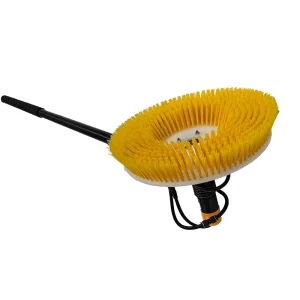
In high-dust regions, regular cleaning is necessary to prevent energy output drops. Utilizing automated panel cleaning brushes and long-distance water pumps removes accumulated sand and dust efficiently, restoring solar panel efficiency and maximizing energy yield.
 FLare Solar