In the rapidly evolving solar energy sector, understanding production processes is crucial. One such vital aspect is PV production lines. Industry expert Dr. Emily Chen, a leading authority in solar technology, emphasizes, "PV production lines are the backbone of solar panel manufacturing, ensuring efficiency and quality."
But what are PV production lines and how do they work? These specialized lines are crafted to transform raw materials into solar panels. They include multiple steps, from wafer slicing to module assembly. Each phase requires precision and adherence to best practices. These lines are not just about machinery; human expertise plays a significant role.
However, the journey of PV production lines is not without challenges. Efficiency can fluctuate, leading to wastage. Occasionally, rapid advancements in technology can outpace existing production capabilities. It's crucial to continuously adapt and improve processes. Embracing these complexities will ultimately push the industry forward, making solar energy more available and sustainable. Understanding the intricate workings of production lines is essential for anyone invested in solar energy's future.
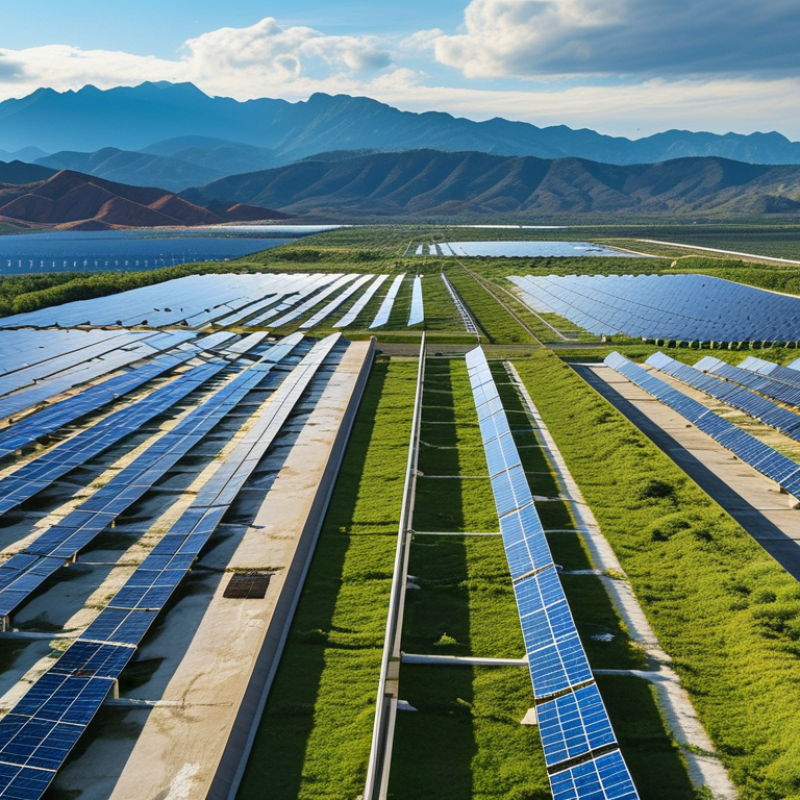
A PV production line is a system used to manufacture photovoltaic cells, essential for solar panels. These lines automate various processes, from wafer slicing to panel assembly. A typical line includes several stages, ensuring high efficiency and precision. According to the International Renewable Energy Agency (IRENA), global PV capacity reached 1,000 GW in 2020, fueling the need for advanced production techniques.
In a PV production line, raw silicon is first transformed into wafers. These wafers are then cleaned and treated. Doping introduces materials to alter electrical properties. Afterward, the cells are assembled into modules. The entire process demands strict quality control. Industry reports show that enhancing production lines can improve output by 25%, showcasing the potential for optimization.
Efficiency is not just about speed. Understanding the limits of each step is crucial. Mistakes made in the wafer or assembly stages can lead to significant losses. Pay attention to equipment maintenance to prevent downtime, which impacts productivity. Continuous education on new technologies can also lead to better decision-making in production settings.
Photovoltaic (PV) production lines are crucial for the solar energy industry. They transform raw materials into solar cell modules. Key components of these lines include slicing machines, diffusion furnaces, and lamination stations. Each component plays a vital role in ensuring the quality and efficiency of the final product.
Slicing machines cut silicon wafers from ingots. This process requires precision, as even minor errors can lead to significant material waste. According to a report by the International Energy Agency (IEA), advancements in slicing technologies can reduce costs by up to 15%. Following slicing, diffusion furnaces introduce dopants. These substances enhance the conductivity of silicon. The quality of dopant distribution impacts the performance of the solar cells and is often a focus for continuous improvement.
Lamination stations protect and encapsulate the solar cells. During this phase, the layers of protective materials are bonded together under heat and pressure. However, inconsistencies in lamination can lead to durability issues. Research indicates that a quality laminating process can increase module lifespan significantly. As manufacturers seek to optimize production lines, enhancing these components remains a key challenge for the industry. The continuous evolution in technology aims not only for cost reduction but also for reliability and environmental sustainability.
| Component | Function | Materials Used | Efficiency (%) |
|---|---|---|---|
| Silicon Wafer Production | Creating silicon wafers from raw silicon | Silicon, high-purity gases | 18-22 |
| Cell Fabrication | Transforming wafers into solar cells | Dopants, phosphorous, boron | 20-24 |
| Module Assembly | Assembling cells into modules | Frames, glass, back sheets | 16-19 |
| Quality Testing | Ensuring modules meet standards | Testing equipment, standards | N/A |
| Packaging | Preparing modules for shipment | Boxes, protective materials | N/A |
The process flow in photovoltaic (PV) production lines is intricate yet fascinating. It begins with raw silicon. The quality of silicon significantly impacts the solar cell efficiency, as studies show that high-purity silicon can boost efficiency rates to over 20%. The incoming silicon undergoes purification, typically achieved through the Siemens process. This method has been prevalent in the industry for years and is noted for its scalability.
After purification, the silicon is melted and formed into ingots. These ingots are then sliced into wafers with thicknesses commonly around 180 micrometers. Precision here is crucial. Thinner wafers can reduce material costs but may lead to breakage under stress. Around 50% of wafering can result in production loss due to imperfections. It’s a delicate balance of maximizing output while minimizing waste.
Next, the wafers undergo doping processes to create p-n junctions, essential for energy conversion. Following this, wafers are passivated to enhance their efficiency. Recent advancements show that the efficiency of solar cells can exceed 26% with the right passivation materials and techniques. The co-efficient of thermal expansion must also be considered during the processing. Any miscalculations can lead to warping or breakage.
Ultimately, the PV production process reflects both technological advancements and ongoing challenges. Continuous innovation and adaptation are necessary to meet the industry's growing demands efficiently.
Technological advances in photovoltaic (PV) manufacturing have significantly improved the efficiency and cost-effectiveness of solar energy production. These innovations include enhanced materials, advanced fabrication methods, and better integration techniques. For instance, research on perovskite solar cells has opened new possibilities in terms of conversion efficiency. These materials can be manufactured with less environmental impact, providing a sustainable alternative.
In the realm of automation, robotics play a critical role. Automated processes reduce human error and enhance production speed. Machines are now capable of handling intricate tasks that were once labor-intensive. This streamlining of operations leads to lower production costs. Manufacturers can produce more panels quickly and accurately, meeting the rising demand for renewable energy.
Tips for aspiring solar manufacturers: Focus on investing in R&D to stay ahead. Keeping pace with trends in materials science can yield better products. Collaborating with tech companies can enhance your production line's efficiency. Additionally, maintaining flexibility in manufacturing processes allows quick adaptation to new technologies. Staying informed about industry developments ensures that your production methods evolve continuously. This proactive approach could shape a competitive edge in the solar market.
PV production lines face significant challenges that can obstruct efficiency. These challenges arise from multiple factors within the manufacturing process. One major issue is technological reliability. Equipment failures can lead to production delays. Regular maintenance is crucial, but often overlooked.
Quality control is another critical challenge. Variability in raw materials can affect the efficiency of solar cell production. Inconsistent quality leads to higher rejection rates. Furthermore, workforce training is essential. Skilled operators are necessary for efficient production.
Lastly, environmental regulations pose hurdles. Adapting to changing guidelines can be burdensome. Companies must invest in sustainable practices, which may increase operational costs. Balancing cost and compliance is a constant struggle. Addressing these challenges requires continuous improvement and innovation.
: A PV production line manufactures photovoltaic cells for solar panels. It automates processes from wafer slicing to panel assembly.
Key components include slicing machines, diffusion furnaces, and lamination stations. Each component ensures product quality and efficiency.
Precision in wafer slicing is crucial. Minor errors can lead to major material waste and financial losses.
Diffusion furnaces introduce dopants to enhance silicon conductivity. Their quality significantly impacts solar cell performance.
Equipment failures and maintenance issues can cause delays. Workforce training and quality control are also critical challenges.
Regular maintenance prevents equipment failures and production downtime. Overlooking maintenance can severely impact overall productivity.
Adapting to regulations can increase operational costs. Companies must balance costs with sustainable practices.
Variability in raw materials affects production. Inconsistent quality can lead to higher rejection rates, affecting profitability.
Continuous education allows better decision-making in production settings. It helps staff adapt to advancements and optimize processes.
Focusing solely on optimization may overlook quality aspects. Continuous improvements must also consider product reliability and sustainability.
PV production lines are specialized manufacturing systems designed to produce photovoltaic (PV) modules, which convert sunlight into electricity. These lines consist of several key components, including solar cell fabrication equipment, automated handling systems, and quality control stations. The process flow in PV production lines typically involves the conversion of raw materials into solar cells, followed by assembly into modules and rigorous testing to ensure performance standards.
Technological advances have significantly improved the efficiency and cost-effectiveness of PV manufacturing, enabling faster production cycles and higher-quality products. However, PV production lines also face challenges such as equipment maintenance, supply chain issues, and the need for continuous innovation to adapt to evolving market demands. Understanding "what are PV production lines and how do they work" is essential for industry stakeholders to navigate these complexities and leverage advancements in the field.

FLare Solar