How to Prevent Solar Pumps from Running Dry in 2026?

Time:2026-08-17 Author:Liam
0%

In the evolving field of renewable energy, solar pumps have gained popularity for agricultural and water supply applications. However, there remains a critical concern: how to prevent solar pumps from running dry. Dr. Emily Carter, a leading expert in sustainable water management, emphasizes, “Ensuring a continuous water supply is essential for the efficiency of solar pumps.” This statement encapsulates a growing issue faced by many users.

As we approach 2026, the strategies for maintaining proper water levels in solar pumps are more important than ever. Many users overlook the significance of monitoring water sources. Regular assessments can prevent potential downtime and increase efficiency. Users often assume that solar resources are reliable without considering seasonal variations.

Moreover, climate changes can affect groundwater levels. Implementing tank systems or alarms can alert users when water is low. These solutions protect not only the pump but also the overall system. A proactive approach to understanding how to prevent solar pumps from running dry is essential for maximizing performance and sustainability in the years ahead.
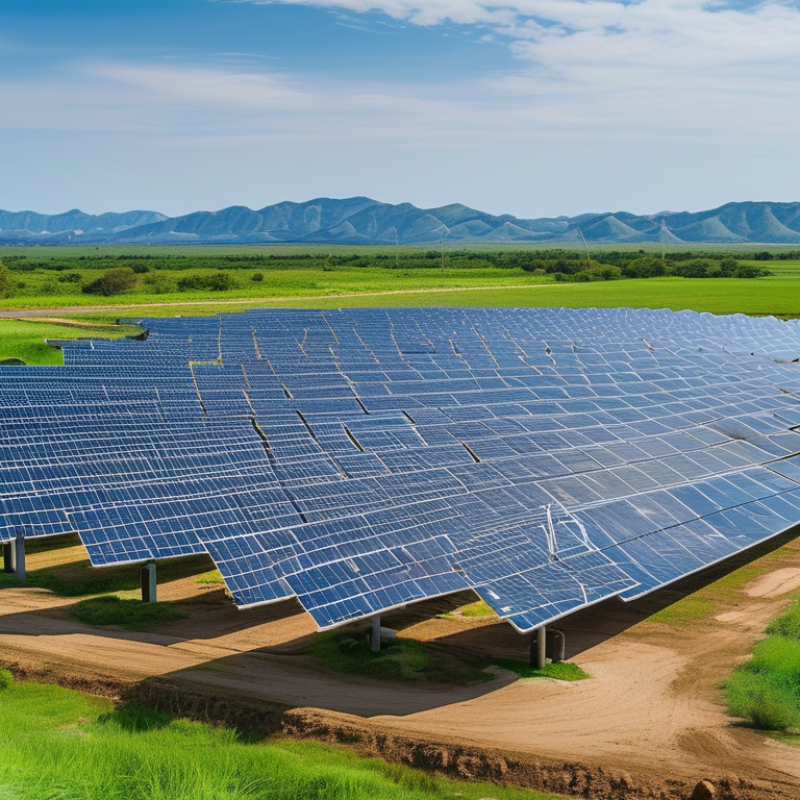
How to Prevent Solar Pumps from Running Dry in 2026?

Understanding the Basics of Solar Pumps and Their Functionality

Solar pumps are fascinating devices that harness sunlight to pump water. They are widely used in irrigation and livestock watering. Understanding how they work is essential for maintaining their efficiency and longevity. These pumps rely on photovoltaic cells to convert sunlight into electricity, which powers the pump motor. The system is simple yet effective.

However, solar pumps can face issues when they run dry. This happens if there is not enough water available. Operators often overlook the importance of monitoring water levels. Regular checks can help prevent damage to the pump. A dry run can lead to overheating and costly repairs. It’s crucial to incorporate sensors that alert users when water levels drop, enabling timely intervention.

Since the technology relies heavily on environmental conditions, understanding local climate patterns is vital. Changes in weather can impact water availability. Striving for a deeper understanding of these factors can enhance reliability. Regular maintenance is another key aspect. Cleaning solar panels ensures maximum sunlight absorption. These practices foster a robust and resilient solar pumping system.

Annual Performance of Solar Pumps (2022-2026)

Identifying the Causes and Risks of Running Dry

Preventing solar pumps from running dry is crucial for maintaining efficiency. Running dry can lead to lasting damage. There are several causes to consider.

One primary cause is inadequate water supply. Drought conditions or faulty water sources can result in low water levels. Regularly checking local water availability can mitigate this risk. Ensure your irrigation plan aligns with seasonal changes. Understanding local weather patterns and adjusting accordingly is essential.

Tip: Install a water level monitoring system. This tech alerts you when water levels drop too low. Timely notifications help prevent damage before it occurs.

Another concern is mechanical failure. Components like sensors or switches may malfunction. Regular maintenance checks are vital. Service your solar pump according to the manufacturer’s guidelines. Ensure that all parts function properly and are free of debris.

Tip: Create a maintenance schedule. Regular inspections help identify issues early. Addressing them promptly saves time and money.

Running dry poses risks beyond equipment damage. It affects crop health and can lead to financial loss. Awareness and proactive measures are critical for all solar pump users.

Implementing Effective Water Level Monitoring Solutions

Monitoring water levels is crucial to prevent solar pumps from running dry. Effective systems ensure constant oversight and minimize risks. Integrating sensors can provide real-time data. This data helps in decision-making and prevents costly pump damages.

Tips: Regular maintenance of sensors can enhance their performance. Ensure they are clean and calibrated frequently. This reduces false readings. If possible, combine different sensor types for better accuracy.

Consider using alarms linked to water levels. These alerts can inform you when levels drop below a critical point. The quick response can protect your equipment. Don't overlook the importance of backup power for your monitoring systems. This ensures functionality even during outages.

How to Prevent Solar Pumps from Running Dry in 2026? - Implementing Effective Water Level Monitoring Solutions

Solution Description Benefits Cost ($) Implementation Time (Days)
Water Level Sensors Real-time monitoring of water levels using ultrasonic or pressure sensors. Prevents dry running, alerts users, enhances efficiency. 150 5
Automated Shut-off Systems Systems that automatically shut off pumps when water levels are low. Increases pump lifespan, reduces maintenance costs. 200 7
Data Logging and Analytics Recording historical water level data for trend analysis. Improves decision-making, identifies issues before they escalate. 300 10
Mobile Applications Apps for remote monitoring and alerts on smartphones. Convenient monitoring, instant alerts for water levels. 100 14

Incorporating Safety Features and Automatic Shutdown Systems

Solar pump systems are increasingly popular, but they face the risk of running dry. Incorporating automatic shutdown systems is vital to enhance safety and prevent damage. According to recent reports, approximately 30% of solar pump failures occur due to dry running. This statistic highlights the urgency of implementing effective safety features.

Automatic shutdown mechanisms can be triggered by low water levels. These systems detect when the water drops below a certain threshold. This prevents the pump from running without water, which can lead to severe motor damage. Industry estimates suggest that such features can reduce repair costs by up to 40%. Investing in these safety enhancements offers economic benefits while protecting equipment longevity.

Monitoring technologies, like water level sensors, can provide real-time feedback. This ensures reliable operation and alerts users when intervention is needed. However, not all systems include these essential features. Some installations overlook this, risking efficiency losses. Users should assess their systems carefully, prioritizing options that include robust automatic shutdown capabilities to ensure proper performance.

Regular Maintenance and Inspection Procedures for Solar Pumps

Regular maintenance is crucial for solar pumps. Neglecting this aspect can lead to severe operational failures. According to a 2023 industry report, about 40% of solar pump malfunctions result from inadequate maintenance. Inspecting components like seals, filters, and connections can help prevent dry running. A proactive approach ensures pumps operate efficiently.

Inspecting the solar panels is also important. Dust and debris reduce efficiency. A study indicated that clean panels can improve energy output by as much as 20%. Schedule regular cleanings and check for any shading issues from nearby vegetation.

Keeping detailed records of maintenance activities is beneficial. Documentation helps track performance over time. It can reveal patterns that indicate underlying issues. Neglecting to document might overlook signs of potential breakdowns. Reliance on routine inspections can seem tedious, but it is a necessary step.

FAQS

: What are solar pumps used for?

: They are used for irrigation and watering livestock.

How do solar pumps operate?

They convert sunlight into electricity using photovoltaic cells.

What happens when a solar pump runs dry?

It can overheat and cause costly damage.

Why is monitoring water levels important?

Regular checks prevent dry running and extend pump life.

How can I ensure maximum efficiency of solar pumps?

Clean the solar panels regularly and avoid shading.

What percentage of pump malfunctions are due to maintenance issues?

About 40% of malfunctions result from inadequate maintenance.

What records should I keep for my solar pump?

Document maintenance activities to track performance levels.

Can changes in weather affect solar pump operation?

Yes, climate patterns influence water availability for pumping.

What maintenance procedures should I follow?

Inspect seals, filters, and connections regularly to prevent failures.

Is it important to clean solar panels?

Yes, clean panels improve energy output by up to 20%.

Conclusion

In the article titled "How to Prevent Solar Pumps from Running Dry in 2026?", the author explores the critical aspects of solar pump functioning and the potential risks associated with running dry. It emphasizes understanding the principles behind solar pumps and identifying common causes that lead to insufficient water supply. Effective monitoring solutions for water levels are highlighted as essential to prevent dry runs, alongside the integration of safety features and automatic shutdown systems to mitigate risks.

Furthermore, the article underscores the importance of regular maintenance and inspection procedures for solar pumps. By implementing these strategies, operators can significantly reduce the likelihood of running dry, ensuring optimal performance and longevity of their solar pumping systems. Overall, the piece serves as a comprehensive guide on how to prevent solar pumps from running dry, addressing both technical and practical measures for sustainable operation.

Liam

Liam

Liam is a dedicated marketing professional with a profound expertise in the industry, where he excels at highlighting the unique advantages of our core products. With a keen understanding of market trends and consumer needs, Liam frequently updates our company’s professional blog, providing......